
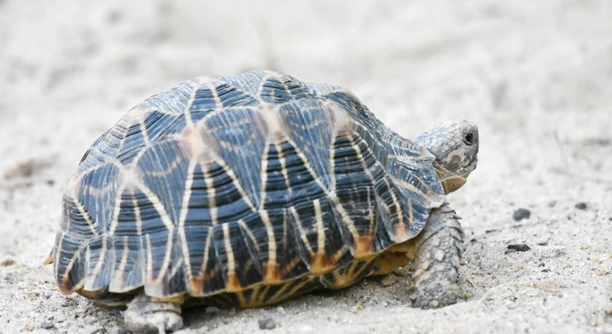
Adding plants to a turtle’s habitat not only enhances the aesthetic but also benefits your pet’s well-being. These plants can provide hiding spots, help with water filtration, and offer a natural environment for your turtle to explore.
Certain aquatic plants are essential for creating a healthy and engaging environment for your turtle. They offer places to hide, enhance water quality by absorbing excess nutrients, and help mimic a more natural habitat. Choosing the right plants can improve your turtle’s overall habitat.
Choosing plants for your turtle’s tank is an easy way to create a more enriching environment. Continue reading to learn which plants work best for your turtle’s needs.
Why Plants Are Important for Turtles
Adding plants to a turtle’s habitat provides more than just a decorative touch. They help mimic the natural environment, making your turtle feel more at home. Plants give your turtle places to hide, reducing stress and offering privacy. They also provide a natural food source, improving their overall diet. The right plants can also help maintain water quality by absorbing excess nutrients and improving filtration. A well-planted habitat encourages your turtle to explore, helping with their physical and mental stimulation. A variety of plants can create a balanced, healthy ecosystem for your turtle, making the habitat thrive.
Choosing the right plants is essential for your turtle’s health. Consider the species of turtle you have and the specific needs of its habitat. Some plants do well in both land and water areas, while others are more suited for one.
Plants like Java Fern and Anubias can thrive in your turtle’s tank, providing excellent hiding spots and improving water conditions. They are easy to care for and require minimal maintenance. Both plants can grow in low light, making them ideal for most turtle habitats. These hardy plants are also resistant to being eaten by your turtle, which is essential for long-term tank health. These plants naturally absorb excess nutrients, helping to maintain the balance of the tank. Including these plants creates a more vibrant and functional environment, making them great additions to your turtle’s habitat.
Best Plant Varieties for Your Turtle
Some plants are more suitable for turtle habitats than others. It’s important to select varieties that can thrive in the specific conditions of your tank.
Floating plants like Water Lettuce and Duckweed are great choices because they provide coverage and shade. These plants help filter the water, absorbing excess nutrients that turtles often produce. Floating plants also give your turtle a place to bask and explore, mimicking their natural environment. They are simple to maintain and thrive with minimal care, making them a perfect choice for turtle tanks.
Plants That Can Withstand Turtle Grazing
Turtles love to nibble on plants, so choosing varieties that can withstand some eating is essential. Some plants are more resistant to grazing and can thrive even with a curious turtle around.
Water Hyacinth is a great option for turtle habitats. It’s robust and can endure some nibbling, making it ideal for your tank. These plants can grow quickly, providing plenty of coverage and helping improve water quality by absorbing nutrients. Water Hyacinths also float on the surface, giving your turtle a shaded area to relax. Just be mindful that, if left unchecked, they can overtake the tank, so trimming them regularly is key.
Hornwort is another hardy option. It’s tough and can tolerate being eaten by turtles without losing its beauty or function. This plant grows well in low-light conditions and offers ample hiding spots for your turtle. It also serves as a natural filter, helping maintain water quality. Its fast growth makes it great for keeping the water in balance, and it won’t be completely destroyed by grazing. Hornwort adds a lot of value to your turtle’s habitat with minimal care needed.
Floating Plants to Add to the Habitat
Floating plants are an excellent way to provide shade, shelter, and additional water filtration. They also help create a more natural environment for your turtle.
Water Lettuce is one of the best floating plants for turtle tanks. It grows quickly and provides ample cover for your turtle, helping reduce stress by offering privacy. These plants float on the surface and create a natural basking area, allowing your turtle to relax and regulate its temperature. Water Lettuce also absorbs excess nutrients from the water, helping prevent algae growth. However, it’s important to regularly trim these plants to ensure they don’t overcrowd the tank. Keeping them under control will keep your turtle’s habitat healthy.
Another great option is Frogbit. This small floating plant thrives in both low and moderate light conditions, making it easy to care for in most turtle tanks. Frogbit offers shelter for your turtle and helps maintain a balanced ecosystem by absorbing excess nutrients. It also promotes a healthy water column and reduces the chances of algae blooms. Like Water Lettuce, regular maintenance and trimming are essential to keep this plant from overwhelming the tank. Frogbit provides both beauty and function in your turtle’s habitat.
Hardy Plants for Land Areas
Turtles also need land areas in their habitat, and selecting plants that can thrive on land is important for creating a balanced environment. These plants will provide additional cover and enrichment for your turtle.
Succulents like Aloe Vera are perfect for dry areas of the tank. They are low-maintenance, don’t require frequent watering, and are resilient to being grazed on by turtles. Aloe Vera also has natural health benefits, making it a great addition to your turtle’s environment. Ensure that the plant is placed in a dry area, away from the water.
Easy-to-Maintain Aquatic Plants
Aquatic plants are crucial for keeping water clean and offering a healthy environment for your turtle. Easy-to-maintain plants help minimize upkeep while keeping the tank balanced.
Anubias is a versatile and low-maintenance plant for turtle habitats. It can survive in low-light conditions and doesn’t require much care. Anubias can be attached to rocks or driftwood, which makes it perfect for creating natural hiding spots in the tank. It helps improve water quality and is resistant to grazing, making it a reliable option for turtle habitats.
Plants for Basking Areas
Basking areas are essential for your turtle’s well-being. Adding plants around the basking spot can create a more natural, comforting space.
Java Fern is an excellent plant for around basking areas. It thrives in low light and can be attached to rocks or driftwood. This plant doesn’t need much attention, and its slow growth rate makes it perfect for creating a stable environment. It offers cover and makes the basking area more appealing for your turtle.
FAQ
What are the best plants for a turtle’s habitat?
The best plants for a turtle’s habitat include Java Fern, Anubias, Water Lettuce, Duckweed, and Hornwort. These plants are hardy, provide shelter, help maintain water quality, and are generally resistant to being eaten by turtles. Floating plants like Water Lettuce and Duckweed offer shade and filtration, while aquatic plants like Java Fern thrive in low light and give your turtle plenty of hiding spots.
How do I prevent my turtle from eating plants?
It’s tough to fully stop turtles from eating plants, but you can choose more resilient varieties. Hornwort, Java Fern, and Anubias are all plants that can handle some nibbling. Planting them in areas where turtles can’t easily access them or placing them on rocks or driftwood can also help reduce the chance of grazing. You may also need to replace eaten plants over time.
Can I plant aquatic plants in my turtle’s tank?
Yes, you can plant aquatic plants in your turtle’s tank. Aquatic plants help maintain water quality by absorbing excess nutrients and creating a more natural habitat. Plants like Anubias, Java Fern, and Hornwort do well in a turtle tank, thriving even in low-light conditions. Just make sure to keep the tank clean and trim plants regularly to avoid overcrowding.
How often should I trim the plants in my turtle’s tank?
Trimming plants every few weeks or when they start to overgrow is essential. Overgrown plants can block the light needed for healthy growth and reduce the amount of oxygen in the water. Regular trimming also prevents plants from overtaking the tank, giving your turtle enough space to swim and explore.
Are there any plants that are toxic to turtles?
Yes, some plants can be toxic to turtles, so it’s important to research the species before adding them to your tank. Avoid plants like Dieffenbachia, Oleander, and Foxglove, as they are harmful to reptiles. Stick to safe, turtle-friendly plants such as Anubias, Java Fern, and Water Lettuce to ensure your turtle’s safety.
How can I add more plants to my turtle’s tank without overcrowding it?
To add more plants without overcrowding, you can use floating plants like Duckweed and Water Lettuce. These plants won’t take up much space in the tank and can help with water filtration. Additionally, placing plants in strategic areas, such as around rocks or along the edges of the tank, can maximize space without overwhelming your turtle’s environment. Regular pruning and removing dead leaves also help keep the plants from taking over.
Do plants help with water filtration in a turtle’s habitat?
Yes, plants can help with water filtration. Many plants, especially aquatic varieties, absorb excess nutrients such as nitrates and phosphates from the water, which reduces algae growth. Plants like Hornwort and Anubias improve water quality by filtering out impurities. This is crucial for keeping your turtle’s habitat clean and healthy. However, it’s important to also have a proper filtration system in place, as plants alone may not be enough to maintain water clarity.
Can I use soil in a turtle’s tank for plants?
Using soil in a turtle’s tank can be tricky. Turtles tend to dig, and soil can create a mess in the water. If you decide to use soil, make sure it’s aquatic soil specifically designed for tank use. Consider using a layer of gravel or rocks as a base, as it will help keep the soil in place while allowing plants to grow roots. Always check the tank’s filtration system to handle any excess waste produced by the soil.
How do I care for plants in my turtle’s tank?
Caring for plants in your turtle’s tank involves ensuring they have proper light, nutrients, and space to grow. Most aquatic plants like Java Fern and Anubias do well in low-light conditions, while floating plants require moderate to high light. Regularly trim the plants to prevent overgrowth, and clean the tank to keep the water fresh. Fertilizing occasionally can also help plants thrive. Monitor water parameters such as pH and temperature to ensure the plants remain healthy.
Can I grow plants in a turtle tank if I have both land and water areas?
Yes, you can grow plants in both land and water areas of your turtle’s habitat. For land areas, consider hardy plants like Aloe Vera or low-maintenance succulents. For water areas, plants like Hornwort, Anubias, and Java Fern are great options. Make sure the plants are suited for the specific environment—aquatic plants in the water, and dry plants in the land areas. Providing both types of plants enriches your turtle’s environment and encourages natural behaviors.
How do I clean plants in my turtle’s tank?
Cleaning plants in your turtle’s tank involves gently removing any debris or algae buildup. Use a soft brush or sponge to clean the plant leaves. For floating plants, you can remove them from the tank to clean them separately. Trim dead or yellowing leaves regularly to maintain plant health. If algae is growing on the plants, consider using an algae scraper or adding algae-eating species, like snails, to help manage the growth.
Should I add artificial plants to my turtle’s habitat?
Artificial plants can be a good addition to your turtle’s habitat if real plants are not an option. They can provide hiding spots and enrich the environment. However, they do not offer the same benefits as live plants, such as water filtration or oxygenation. If you choose artificial plants, make sure they are made from safe materials and have no sharp edges that could harm your turtle.
How do I encourage plant growth in my turtle tank?
To encourage plant growth, provide appropriate lighting and nutrients. Most plants need a proper light source to grow, with varying light requirements depending on the plant species. Consider using liquid fertilizer or aquarium plant food to supply essential nutrients. Also, ensure your turtle’s tank is well-maintained, with regular cleaning and water changes to keep the plants healthy.
Do turtles need plants in their habitat?
While turtles do not necessarily need plants to survive, they provide numerous benefits that help improve their well-being. Plants offer hiding spots, create a more natural environment, and help with water filtration. Adding plants to your turtle’s habitat can enhance its health and overall quality of life.
Final Thoughts
Creating a healthy and comfortable environment for your turtle is essential for its well-being. Plants play a crucial role in maintaining the balance in their habitat. Not only do they help filter the water, but they also provide shelter and reduce stress for your turtle. Whether you choose aquatic plants like Java Fern or floating plants like Duckweed, the right plants can enhance the overall quality of life for your turtle. Additionally, having live plants in the tank can make the space look more natural and inviting.
Choosing the right plants for your turtle’s habitat requires some thought and care. It’s important to research each plant’s needs and the specific requirements of your turtle species. Some turtles may prefer more open space, while others enjoy hiding among plants. You’ll also need to consider factors such as lighting, temperature, and water quality when selecting plants. For example, some plants do better in low light, while others may require more direct sunlight. Additionally, you’ll need to make sure the plants are safe for your turtle and won’t harm it if eaten.
Finally, maintaining your turtle’s habitat with plants requires regular care. Plants need to be trimmed, cleaned, and monitored to ensure they thrive in your tank. While plants can significantly improve water quality and help reduce algae growth, they aren’t a complete solution. A proper filtration system, regular water changes, and appropriate tank conditions are also vital. By taking the time to choose and care for the plants in your turtle’s habitat, you’ll be helping create a healthier, more enjoyable environment for your pet.

Hello,
If you enjoy the content that we create, please consider saying a "Thank You!" by leaving a tip.
Every little bit helps us continue crafting quality advice that supports the health, happiness, and well-being of pets around the world, for pets of all shapes, sizes, and species.
We really appreciate the kindness and support that you show us!