
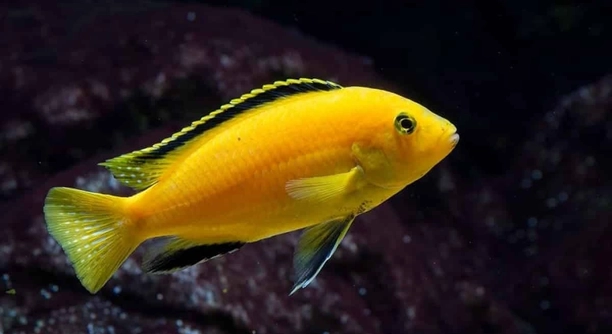
Many aquarium owners enjoy adding live plants to their tanks. Plants not only improve the look of the aquarium but also help keep the water healthy. Choosing plants that can live with cichlids can be a challenge because these fish often dig and move things around.
The best plants for cichlids are sturdy and fast-growing species that can withstand digging and nibbling. Examples include Anubias, Java fern, and Vallisneria, which have tough leaves and strong roots to survive in cichlid tanks.
Knowing which plants can handle cichlids’ behavior will make your aquarium easier to maintain. These choices help create a balanced and natural environment for your fish.
Anubias: A Tough Choice for Cichlid Tanks
Anubias is one of the most popular plants for tanks with cichlids. It has thick, waxy leaves that are difficult for fish to tear apart. This plant grows slowly but is very hardy, making it a reliable option. Anubias doesn’t require much light or special care, so it suits beginners and experienced aquarists alike. Its roots attach to rocks or driftwood, which prevents the plant from being uprooted by digging cichlids. The plant also helps keep the water clean by absorbing excess nutrients. Because it grows slowly, it won’t take over your tank, but it will add greenery and shelter for your fish. If you want a low-maintenance plant that withstands rough tank mates, Anubias is a great pick.
Anubias needs moderate light and should be placed in shaded spots to avoid leaf damage.
This plant’s resilience and simple care make it ideal for tanks with active cichlids. It blends well with other plants and decorations, providing natural hiding places. The slow growth means fewer trims and less work for you, which is always a plus.
Java Fern: Easy to Grow and Durable
Java fern is a hardy plant well suited for cichlid tanks.
Java fern has thick leaves that withstand nibbling and rough treatment from fish. It grows best when attached to wood or rocks, so it won’t be uprooted easily. Unlike some plants, Java fern doesn’t require substrate planting; its roots absorb nutrients from the water, making it less vulnerable to digging fish. It tolerates a range of water conditions and low light, which makes it a practical choice for many aquarium setups. The leaves grow in clusters and provide excellent hiding spots for shy or territorial cichlids. Java fern also helps improve water quality by absorbing harmful chemicals. Regular trimming keeps it neat, but the plant generally requires minimal care. Overall, it adds texture and life to the aquarium without demanding too much attention.
This makes Java fern an excellent option for anyone wanting a tough, attractive plant that supports healthy fish behavior.
Vallisneria: Ideal for Cichlid Tanks
Vallisneria has long, ribbon-like leaves that grow quickly and tolerate cichlid activity well. Its strong roots help anchor it firmly in the substrate, resisting digging.
Vallisneria thrives in a range of water conditions and lighting levels. It can grow tall, reaching the surface, which creates natural shade and hiding spots for cichlids. The fast growth also helps reduce excess nutrients in the water, limiting algae growth. Because it spreads by sending out runners, Vallisneria can fill empty spaces in the tank, offering a more natural look. Its flexible leaves bend rather than break when fish swim through, making it durable against rough handling.
If you want a plant that quickly adds greenery and withstands constant disturbance, Vallisneria is an excellent choice for cichlid tanks. Its growth helps maintain a balanced environment and provides shelter for shy fish.
Cryptocoryne: Versatile and Resilient
Cryptocoryne is well-known for adapting to various tank conditions, making it popular among cichlid keepers.
This plant grows at a moderate pace and has thick leaves that can resist some nibbling by fish. It prefers a nutrient-rich substrate but can tolerate lower light levels, allowing it to fit into many tank setups. Cryptocoryne has a natural look that complements cichlid tanks well, with colors ranging from green to brownish hues. The plant’s root system helps stabilize the substrate, reducing the chances of uprooting. Sometimes, it can lose leaves when first introduced but typically bounces back strong once it adjusts. Overall, Cryptocoryne offers an excellent balance of beauty and toughness, making it a dependable choice for aquariums with active fish.
Its versatility and resilience make it a smart option for anyone wanting an attractive, low-maintenance plant that holds up well in cichlid tanks.
Amazon Sword: Popular and Sturdy
Amazon Sword is a common choice for many cichlid tanks due to its broad leaves and strong roots.
Its large size offers plenty of cover and helps oxygenate the water, which benefits fish health.
Hornwort: Fast-Growing and Floating
Hornwort is a fast-growing plant that can float or be anchored in the substrate. It grows dense, bushy clusters that provide shelter for cichlids. This plant tolerates a wide range of water conditions and requires minimal care. Hornwort also helps reduce algae by absorbing excess nutrients.
Java Moss: Small but Tough
Java Moss is a small, hardy plant that clings to rocks or driftwood. It’s low-maintenance and creates cozy hiding spots for fish and fry. This plant tolerates rough tank conditions and adds texture without taking up much space.
FAQ
What plants are best for cichlid tanks?
The best plants for cichlid tanks are those that are sturdy and can handle digging or nibbling. Anubias, Java fern, Vallisneria, Cryptocoryne, Amazon Sword, Hornwort, and Java Moss are all good choices. These plants have tough leaves, strong roots, or fast growth, which helps them survive in active cichlid environments.
Can cichlids live with live plants?
Yes, cichlids can live with live plants, but it’s important to choose species that tolerate their behavior. Many cichlids dig and may uproot delicate plants. Picking hardy plants with strong roots or those that attach to rocks or wood prevents damage and keeps plants healthy.
How do I keep plants alive with digging cichlids?
To keep plants alive, anchor them well in the substrate or attach them to rocks and driftwood. Use plants like Anubias and Java fern that don’t rely on soil. Adding heavy gravel can reduce uprooting. Also, trimming plants regularly encourages growth and helps them recover faster if damaged.
Do cichlids eat aquarium plants?
Some cichlids may nibble on plants, but most prefer digging rather than eating leaves. Thick-leafed plants like Anubias and Java fern are less likely to be eaten. If your fish do nibble, providing enough food and choosing hardy plants can reduce damage.
How much light do cichlid tank plants need?
Most plants suitable for cichlid tanks do well in moderate to low light. Anubias and Java fern especially need low light and can suffer leaf damage if light is too strong. Vallisneria and Hornwort grow faster with more light but can adapt to lower levels.
Can plants survive in hard water preferred by cichlids?
Many hardy plants can survive in the harder, alkaline water that cichlids prefer. Vallisneria, Hornwort, and Cryptocoryne handle harder water well. Some delicate plants may struggle, but choosing species adapted to such conditions ensures better survival.
How often should I trim plants in a cichlid tank?
Trimming depends on the plant’s growth rate. Fast growers like Vallisneria and Hornwort benefit from regular trimming every few weeks to keep the tank neat. Slow growers like Anubias and Java fern need less frequent pruning. Regular trimming also helps plants stay healthy and prevents overcrowding.
Is fertilizer necessary for plants in cichlid tanks?
Fertilizer is not always necessary but can help plants grow stronger, especially if the tank is heavily stocked or has low nutrients. Root tabs work well for plants like Amazon Sword and Cryptocoryne. Liquid fertilizers can support floating or water-rooted plants like Hornwort. Use fertilizers carefully to avoid harming fish.
How do I prevent algae growth in planted cichlid tanks?
Balanced lighting, good water flow, and controlling nutrient levels help prevent algae. Fast-growing plants like Vallisneria and Hornwort compete with algae for nutrients, reducing its spread. Regular water changes and avoiding overfeeding fish also keep algae under control.
Can I mix these plants in the same cichlid tank?
Yes, mixing plants like Anubias, Java fern, Vallisneria, and Cryptocoryne creates a natural and attractive environment. Combining slow and fast growers balances nutrient use and gives fish places to hide and explore. Proper placement and care keep the tank healthy and beautiful.
What substrate is best for planted cichlid tanks?
A heavy, coarse gravel substrate is best for cichlids since they like to dig. It helps anchor roots firmly and prevents plants from floating away. Nutrient-rich substrates or adding root tabs can support plant growth, especially for root feeders like Amazon Sword and Cryptocoryne.
Will plants affect water parameters in a cichlid tank?
Plants can help stabilize water parameters by absorbing nitrates and producing oxygen. Healthy plants contribute to better water quality, which benefits cichlids. However, decaying plant matter can raise ammonia levels, so removing dead leaves is important to keep the tank balanced.
How long do plants take to establish in cichlid tanks?
Most hardy plants establish within a few weeks to a couple of months. Initial care and stable water conditions help plants root and grow. Some plants like Anubias and Java fern take longer to grow but are more durable once established.
Can plants reduce stress for cichlids?
Yes, plants provide hiding spots and break lines of sight, which reduces aggression and stress among cichlids. Dense plants like Hornwort and Java Moss offer safe spaces for shy or smaller fish, creating a more peaceful environment.
Choosing the right plants for a cichlid tank can make a big difference in how healthy and balanced the aquarium feels. Cichlids are active fish that often dig and move things around, so it’s important to pick plants that are strong enough to handle this behavior. Plants like Anubias, Java fern, and Vallisneria have tough leaves and strong roots, which help them stay put even with energetic fish. Having these plants in your tank not only improves the look of the aquarium but also supports water quality by absorbing nutrients and providing oxygen.
Plants also play an important role in creating a natural habitat for cichlids. Many cichlids like to hide or have their own space, and plants offer places to retreat. This can reduce stress and aggression among fish, making the tank a calmer environment. Fast-growing plants like Hornwort and Vallisneria fill up empty spaces quickly and offer good cover. Meanwhile, slow growers like Anubias and Java fern add long-lasting greenery without needing much trimming. Combining different types of plants can create a balanced setup that looks nice and meets the needs of your fish.
Taking care of plants in a cichlid tank is not always simple, but it is rewarding. You will need to keep an eye on how your fish interact with the plants and make sure the plants are well anchored and trimmed as needed. Providing the right lighting, substrate, and occasional fertilizing can help plants grow strong. Over time, your aquarium can become a healthy, thriving ecosystem where both plants and cichlids flourish. With patience and care, choosing the right plants will improve the overall health and beauty of your tank.

Hello,
If you enjoy the content that we create, please consider saying a "Thank You!" by leaving a tip.
Every little bit helps us continue crafting quality advice that supports the health, happiness, and well-being of pets around the world, for pets of all shapes, sizes, and species.
We really appreciate the kindness and support that you show us!