
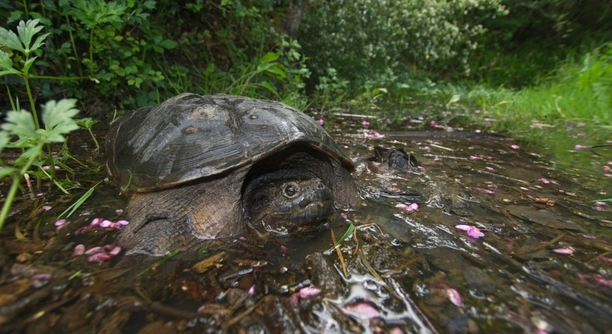
When creating an enclosure for your common snapping turtle, selecting the right plants is crucial for both aesthetic and health benefits. Choosing plants that provide shelter, food, and a natural habitat is essential for your turtle’s well-being.
The best plants for a common snapping turtle’s enclosure include aquatic plants like anacharis, water lettuce, and duckweed. These plants offer food, hiding spots, and contribute to water quality. Additionally, hardy terrestrial plants can provide additional cover.
Selecting suitable plants will create a balanced environment for your turtle, supporting its health and natural behaviors.
Aquatic Plants for a Snapping Turtle’s Enclosure
Aquatic plants are a great addition to a snapping turtle’s habitat. They help keep the water clean and provide food for your turtle. Common choices include anacharis, water lettuce, and duckweed. These plants grow quickly and offer both hiding spots and a natural food source. By providing a varied aquatic environment, your turtle can forage and engage in natural behaviors. It also helps with maintaining water quality by absorbing excess nutrients. These plants thrive in shallow waters, making them easy to maintain and beneficial for both the turtle and the ecosystem of the enclosure.
In addition to their aesthetic value, aquatic plants are essential in supporting a turtle’s health. They provide a more natural environment and enrich your turtle’s daily experience.
Planting aquatic species like anacharis will help prevent algae overgrowth by competing for space and nutrients. Duckweed, a fast-growing floating plant, provides cover while also absorbing waste in the water, helping maintain balance. Water lettuce can be used to create floating islands in the tank, which turtles enjoy basking on. These plants will ensure that your turtle stays healthy and active, living in an environment that closely resembles its natural habitat.
Terrestrial Plants for Snapping Turtles
Terrestrial plants add a layer of variety to your turtle’s space. They offer natural shelter, helping your turtle feel more secure in its enclosure.
Plants like ferns, moss, and ivy work well, offering greenery and spots for your turtle to explore. They can even contribute to the aesthetic and design of the enclosure.
These terrestrial plants help create hiding spots where your turtle can retreat, adding layers of security. Ferns, in particular, provide dense foliage that can be a great place for your turtle to rest. Moss adds texture to the enclosure and can also help maintain humidity levels, which is crucial for snapping turtles. These plants are low-maintenance, and when placed in the correct conditions, they’ll flourish. Additionally, they assist with the overall environment by enhancing oxygen levels and stabilizing humidity. By adding these plants, you create a more stimulating and comfortable environment for your turtle, encouraging healthier, happier behavior.
Floating Plants for Snapping Turtles
Floating plants are essential for providing cover and a natural environment for snapping turtles. They also help with water filtration and nutrient absorption.
Water lettuce and frogbit are excellent options. These plants float on the surface, offering shelter and shade for your turtle. Frogbit grows quickly and offers hiding spaces, while water lettuce helps balance water quality by absorbing excess nutrients. Floating plants create a safe space for your turtle to bask and swim while also improving the overall health of the enclosure. They work well in most tanks and are simple to maintain.
These plants also help prevent algae buildup. By floating on the water’s surface, they block some of the sunlight that encourages algae growth. Additionally, their roots help filter and clean the water. This creates a more stable environment for the turtle, mimicking the natural conditions it would encounter in the wild. Floating plants contribute significantly to both the aesthetic and functional aspects of your turtle’s enclosure.
Hardy Plants for Snapping Turtle Enclosures
Hardy plants offer a reliable way to enhance your turtle’s habitat with minimal maintenance. They thrive in various conditions and tolerate the humidity and temperature fluctuations common in a turtle enclosure.
Plants like water lilies, iris, and horsetail are excellent choices. Water lilies add beauty and provide a floating surface for your turtle to bask. Iris plants are also adaptable and grow well in shallow water, offering a natural way to stabilize the substrate. Horsetail can grow in a variety of conditions and contributes to the overall health of the tank.
These hardy plants help create a more stable ecosystem within the enclosure. They’re easy to grow and don’t require frequent care, making them an excellent option for turtle owners. Water lilies are especially important because they help keep the water clear while giving turtles a place to rest and bask. Iris plants add vertical height, creating a more natural environment and providing additional shelter. Finally, horsetail works as a structural plant, offering support for other plants while improving the tank’s overall aesthetic.
Plants for Water Filtration
Plants like anacharis and hornwort play a vital role in keeping your turtle’s water clean. Their ability to absorb excess nutrients improves the water’s quality.
These plants help by removing harmful chemicals, such as ammonia and nitrates, from the water. Anacharis, in particular, is fast-growing and effective at filtering out impurities. Hornwort can also be used as it absorbs nutrients directly from the water, reducing the chances of algae growth.
Plants for Turtle Hiding Spots
Providing hiding spots is essential for your turtle’s well-being. Plants like java fern and crypts can serve as excellent shelters.
Java ferns grow slowly and offer dense coverage, perfect for your turtle to hide and rest. Cryptocoryne species also create shaded areas and are easy to care for. Both of these plants create a calming environment for your turtle to feel secure in its enclosure.
FAQ
What types of plants are safe for a common snapping turtle?
Safe plants for snapping turtles include aquatic species like anacharis, water lettuce, and hornwort. These plants offer both food and shelter. Hardy plants such as water lilies and ferns are also safe. It’s essential to avoid plants that may have toxic properties, like certain species of ivy or ornamental plants not meant for aquatic environments.
Can I use live plants in my snapping turtle’s tank?
Yes, live plants can thrive in a snapping turtle’s enclosure, benefiting both the turtle and the tank’s ecosystem. They help maintain water quality, provide hiding spots, and create a more natural environment. Choose plants that are sturdy and can withstand the turtle’s activity, as snapping turtles are known for being rough on their surroundings.
How do plants help in maintaining water quality?
Plants play a crucial role in maintaining water quality by absorbing excess nutrients such as nitrates and phosphates. These nutrients are often produced by turtle waste and uneaten food, which can lead to algae growth and poor water conditions. By removing these excess nutrients, plants help keep the water clear and reduce the need for chemical filtration.
Are floating plants necessary for a snapping turtle’s tank?
Floating plants are highly beneficial for a snapping turtle’s tank. They help to provide shade, offer hiding spots, and contribute to water filtration. Floating plants like water lettuce and frogbit are particularly useful, as they absorb excess nutrients from the water while offering cover and comfort for your turtle.
How can I prevent my plants from being eaten by my snapping turtle?
While snapping turtles may nibble on plants, there are ways to minimize the damage. Using fast-growing plants like duckweed and anacharis can help ensure that even if your turtle eats a bit, the plants can recover quickly. Another option is to provide plenty of other food sources for the turtle to prevent it from turning to plants as its primary diet.
How do I maintain the health of the plants in the tank?
To maintain plant health, ensure that they receive adequate light, either from natural sunlight or aquarium lights designed for plants. Additionally, keep the water temperature within the optimal range for plant growth, usually between 70-80°F (21-27°C). Regularly trim dead leaves and remove any decaying plant material to prevent the buildup of waste.
Can terrestrial plants grow in a turtle tank?
Yes, terrestrial plants can grow in a turtle tank, but they need to be placed in areas where they can receive the right amount of light and humidity. Plants like ferns, ivy, and moss can thrive in the humid environment of a turtle tank, offering additional cover and natural beauty. However, keep in mind that turtles may dig at or trample these plants.
Do I need to fertilize the plants in my turtle’s enclosure?
Fertilizing your plants can be helpful, especially if the plant growth is slow or if the plants are in a tank with limited fish waste. Use a balanced, water-safe fertilizer to provide essential nutrients. However, be cautious not to over-fertilize, as excess nutrients can lead to poor water quality.
Can I use artificial plants in my snapping turtle’s enclosure?
While live plants are ideal, artificial plants can be used in a snapping turtle’s tank, especially if you have difficulty maintaining live plants. Choose soft, non-toxic artificial plants that won’t harm your turtle. Be sure to clean them regularly to prevent algae buildup.
What are the best plants for providing shade for my snapping turtle?
For providing shade, floating plants like water lettuce or frogbit are excellent choices. They create a shaded area on the water’s surface and help maintain a cooler environment. Water lilies are another great option, offering both shade and a place for the turtle to rest above water.
How can I create a more natural habitat for my snapping turtle?
To create a natural habitat, include a mix of both aquatic and terrestrial plants. Use hardy plants like water lilies, iris, and horsetail for structure and beauty. Incorporate floating plants to add cover and improve water filtration. Add rocks and logs to create basking areas, making the environment more similar to the turtle’s natural habitat.
How often should I replace the plants in my turtle’s tank?
Plants generally need replacing if they are no longer thriving or if they become damaged. Regular maintenance, such as trimming and cleaning, can help prolong their lifespan. However, plants like water lettuce or anacharis that grow quickly will naturally replenish themselves as long as they are cared for properly.
Can my turtle live with plants in a smaller tank?
Yes, your turtle can live with plants in a smaller tank, but the choice of plants is essential. Smaller tanks can become more prone to poor water quality, so ensure the plants you select are suited to the tank’s size. Plants like anacharis and water lettuce are good for smaller tanks because they grow quickly and help filter the water. Regular water changes are also important to maintain a healthy environment.
Final Thoughts
Providing the right plants in a common snapping turtle’s enclosure is essential for both the turtle’s well-being and the overall health of the tank. By choosing the correct plants, you can create a more natural habitat that encourages the turtle’s comfort and security. Aquatic plants like anacharis, hornwort, and water lilies not only help with water filtration but also offer hiding spots and shade. These plants can improve the water quality, making it cleaner and healthier for your turtle.
Along with choosing the right plants, maintaining them is just as important. Regular trimming and cleaning of the plants will keep them healthy and prevent decay from affecting water quality. Adding a variety of plants, both submerged and floating, will give your turtle a balanced environment. It is also crucial to make sure the tank has the proper light conditions for plant growth. Using aquarium-safe lights and ensuring the water temperature stays within an optimal range will keep your plants thriving.
While plants play a significant role in your snapping turtle’s environment, it is also important to monitor the turtle’s behavior and overall health. If the turtle begins to eat plants excessively or causes damage to them, you may need to adjust the plant varieties or offer alternative food sources. Ultimately, the goal is to create a balanced, natural, and healthy space where your turtle can feel at ease. By making thoughtful decisions regarding plants, water quality, and tank conditions, you can provide your snapping turtle with the best environment possible.

Hello,
If you enjoy the content that we create, please consider saying a "Thank You!" by leaving a tip.
Every little bit helps us continue crafting quality advice that supports the health, happiness, and well-being of pets around the world, for pets of all shapes, sizes, and species.
We really appreciate the kindness and support that you show us!