
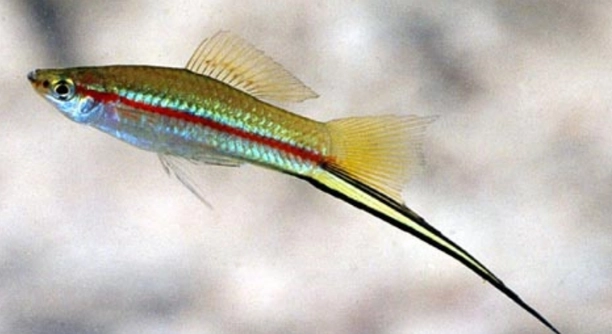
Do you ever find yourself staring at your swordtail aquarium, wondering if it’s really in the best spot for your fish?
The best places to put a swordtail aquarium are away from direct sunlight, drafts, and heavy foot traffic. Areas like living rooms, home offices, and quiet corners offer stable temperatures, limited stress, and easy maintenance access.
Where you place your aquarium can affect your fish’s health and your tank’s overall condition, so choosing the right location is essential.
Living Room Corners Near a Wall
Swordtails are peaceful and active, so a living room corner near a wall works well. It offers stability, minimal disturbance, and consistent temperature. These corners usually avoid sudden light changes, which can stress the fish. Being in a social space also allows you to enjoy their colors and movement more often. Make sure the spot isn’t too close to a window or direct airflow, as these can cause temperature shifts. A small table or sturdy stand against the wall works best. Ensure there’s a power source nearby for filters and lights, and the floor can support the tank’s weight.
This area also makes it easy to check on the tank daily. That means you’ll notice any changes in water clarity, fish behavior, or equipment function more quickly.
Living rooms tend to stay warm and quiet most of the time. They’re also less likely to have smoke, strong cooking odors, or sudden bangs that could spook the fish. A tank in this location becomes a calming feature, adding movement and color to your space. Since swordtails like to swim a lot, placing them where you can watch regularly gives both you and the fish a calm, pleasant environment. It’s also easier to monitor them during routine activities.
Home Office or Study Area
Home offices often stay quiet and have controlled lighting, which is ideal for swordtails.
A home office or study area is usually used during specific hours and tends to stay quiet and consistent, making it a suitable spot for your aquarium. Swordtails do well in calm environments where lighting and temperature don’t change too quickly. If your workspace is free from loud noise and strong air conditioning, it becomes a practical and peaceful home for your fish. Placing the aquarium on a sturdy piece of furniture close to an outlet makes maintenance more manageable. Having the tank nearby during work also provides a natural visual break that can help reduce eye strain. You’re more likely to stay on top of feeding and tank care when it’s part of your daily space. Avoid placing the tank near speakers or bright task lights that can disturb the fish. A shaded spot with enough room for equipment and cleaning access will make things easier in the long run.
Bedroom Shelf or Dresser
Bedrooms tend to be quieter and have less foot traffic, which helps reduce stress for swordtails. A solid shelf or dresser gives enough support for a small to medium-sized tank and keeps it off the floor. Make sure it’s level and away from windows or heaters.
This setup works well if you like a calm, low-light environment. Swordtails don’t need bright lights all day, so a dim room helps maintain their rhythm. Just make sure you don’t block access to outlets or make cleaning too hard. A dresser or shelf near a wall gives you access from all sides if needed. If you use the room regularly, you’ll easily notice changes in behavior, water condition, or filter sound. Having the tank nearby can also help you wind down at the end of the day. Avoid placing it near vents, fans, or directly across from bright electronic screens.
A bedroom tank also works well for early risers or night owls. You can set your aquarium light on a timer so it matches the tank’s schedule, not your own. That keeps the fish on a consistent routine even if your day shifts. Make sure you use a stand or furniture piece that can handle the tank’s full weight when filled. Some dressers may look sturdy but weaken over time. It’s better to test first than risk damage to your space or the tank itself. Use a mat or towel underneath to prevent moisture from collecting and ruining the surface.
Kitchen or Dining Area
These spaces can be tricky, but with care, they can work. Choose a corner that doesn’t get cooking heat, smoke, or sudden steam. Keep the tank away from appliances and vents. Stick to spots that stay cool and don’t face direct sunlight.
Kitchens and dining rooms are often used every day, so they let you keep an eye on your fish easily. Just be mindful of strong smells or grease in the air, which may affect water quality. If you choose this location, go for a smaller tank that’s easy to move if needed. A countertop that doesn’t see much use or a sturdy sideboard can work well. Add a cover to the tank to keep out dust and moisture. Lighting can be tricky in kitchens, so monitor it closely. Try not to place the tank near dishwashers, ovens, or stovetops where heat and vibrations might affect the fish.
Hallway Table or Console
Hallways usually have limited space, but a narrow table or console can hold a small tank. Pick a spot that avoids door drafts or sudden foot traffic. Make sure the tank isn’t bumped often or exposed to direct sunlight.
Use wall space for cords and filters to avoid clutter. Choose a shorter tank that sits low and steady on the surface. Check that the furniture can support the tank’s full weight, including water and decorations. Avoid placing anything near entryways that experience large temperature changes.
Enclosed Porch or Sunroom
If temperature stays stable, enclosed porches can work well. Choose a shaded spot away from direct sunlight to avoid overheating the tank. Use blinds or curtains to control light during the day. Enclosed porches often offer great views, making the aquarium stand out as part of the space. Make sure you monitor the area throughout the year to prevent large seasonal temperature swings. A thermometer near the tank can help. Avoid placing the tank near doors that lead outside, as frequent opening can impact water temperature and air quality. Keep the area clean and free from insects or debris.
Guest Room Desk or Nightstand
Guest rooms stay quiet and undisturbed for long periods. A small tank on a desk or nightstand adds life to the space without needing much daily attention. Just make sure the spot has a steady temperature and nearby power source.
FAQ
Can swordtails handle changes in light throughout the day?
Swordtails can adapt to some light variation, but too much change stresses them out. Sudden brightness or complete darkness can confuse their routine. If your tank is near a window, use curtains or blinds to manage the natural light. An aquarium light with a timer helps create a stable schedule. This keeps them healthy and active. Aim for 10–12 hours of light daily, followed by consistent darkness. That rhythm supports their immune system and keeps algae growth in check. Avoid turning the lights on and off at random times.
How do I know if my aquarium spot is too hot or cold?
Check the temperature daily using a reliable aquarium thermometer. Swordtails do best in water between 72°F and 82°F. If the tank is near a heater, window, or vent, you might see frequent shifts. Big temperature swings can cause illness or stress. Watch how the fish behave—if they hover near the heater or avoid parts of the tank, something might be off. Try to place the tank in a room that stays within a stable range, especially during summer and winter months.
What type of stand or furniture is safe for my swordtail aquarium?
Choose sturdy furniture that can hold the full weight of the tank. Water is heavy—just 10 gallons can weigh over 100 pounds when full. Avoid anything wobbly or made from weak materials like thin particle board. Solid wood, reinforced shelves, or stands made for aquariums are safest. Check that the surface is flat and doesn’t tilt. Uneven tanks can lead to cracks or leaks over time. A tank mat can help distribute the weight and protect the furniture underneath from moisture.
Can I place my swordtail tank near electronics or appliances?
It’s best to avoid placing the tank right next to electronics like TVs, speakers, or microwaves. Vibrations, noise, and heat can make the fish uncomfortable. Plus, water and electronics don’t mix well. If you must place the tank nearby, leave space between them. Make sure cords are safely organized and away from any water splashes.
Is it okay to keep the aquarium in a high-traffic area?
High-traffic areas like busy hallways or entryways are not ideal. Constant movement and sudden noises can startle the fish. Over time, that stress can affect their health. Also, more people around the tank increases the chance of it getting bumped or splashed. Choose quieter corners or rooms with less activity.
How often should I check the tank if it’s in a less-used room?
Even if your tank is in a guest room or porch, check it at least once a day. You’ll want to spot any filter issues, water changes, or signs of stress early. Fish may act fine until something serious happens, so daily check-ins are important. Automated feeders or timers help, but don’t replace quick inspections.
Can sunlight be good for my aquarium?
A little natural light is okay, but too much causes algae growth and temperature spikes. It’s better to rely on an artificial light source that you can control. If sunlight reaches the tank for more than an hour or two, consider moving it or using a light-blocking curtain.
What if I want to move the tank later?
Plan carefully. Never move a full tank—it’s too heavy and could crack. Remove some water, decorations, and fish before trying. Use a temporary holding container for the fish and keep the filter media wet to preserve beneficial bacteria. Refill and restart the tank slowly to avoid stressing the fish.
Final Thoughts
Choosing the right place for your swordtail aquarium is an important part of keeping your fish healthy and your tank in good shape. Swordtails are active, peaceful fish that enjoy calm surroundings and stable conditions. The spot you choose should avoid temperature swings, loud noises, and direct sunlight. It also helps if the tank is placed where you can easily reach it for feeding, cleaning, and checking on your fish. A good location can make your care routine feel smoother and more manageable. Whether it’s a quiet bedroom, a home office, or a shaded living room corner, every choice you make can affect how well your fish do.
It’s also important to think about the size of the tank and the strength of the furniture it sits on. Water is heavy, and a full tank needs a solid base. Make sure the surface is flat and dry to prevent damage over time. Avoid placing the tank in a spot where people or pets are always passing by or bumping into things. Even gentle fish like swordtails can become stressed if they’re startled too often. In some cases, placing the tank too close to windows or appliances can cause problems you may not notice right away. These small details make a big difference over time.
Lastly, it helps to pick a place where you can enjoy the tank, too. Watching fish can be relaxing and calming. If the tank is out of sight, you may forget to check it or enjoy it less often. The more present it is in your space, the easier it becomes to keep it clean, notice changes, and keep your swordtails happy. If your home has different rooms with varying light and noise levels, take time to compare them before setting things up. There is no single “perfect” location—just the one that fits your space, your routine, and your fish’s needs best. With the right setup, your swordtails can stay healthy, active, and colorful for a long time.

Hello,
If you enjoy the content that we create, please consider saying a "Thank You!" by leaving a tip.
Every little bit helps us continue crafting quality advice that supports the health, happiness, and well-being of pets around the world, for pets of all shapes, sizes, and species.
We really appreciate the kindness and support that you show us!