
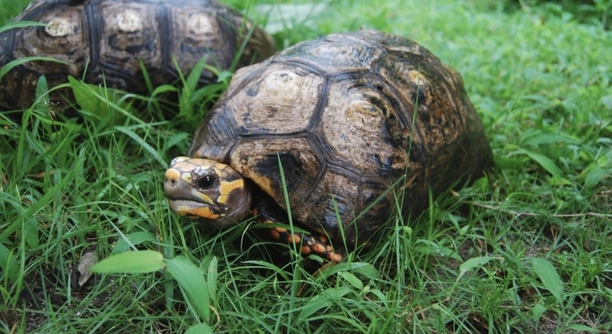
Finding a healthy Red-Footed Tortoise can be challenging. With the right knowledge and guidance, you can easily locate a reputable source. The best places offer healthy, ethically raised tortoises that ensure both your satisfaction and the well-being of the animal.
When purchasing a Red-Footed Tortoise, it is crucial to seek out reputable breeders, pet stores, or rescue organizations that prioritize animal welfare. Ensure they provide proper care, accurate health records, and a guarantee of the tortoise’s health upon arrival.
There are various options available to purchase a healthy Red-Footed Tortoise. Exploring these trusted sources will help ensure a healthy addition to your family.
Trusted Breeders: A Good Option
When looking to buy a Red-Footed Tortoise, reputable breeders are an excellent place to start. They often specialize in breeding tortoises and provide the best care. You can find breeders through reptile expos, online directories, or referrals from other reptile owners. Make sure the breeder follows ethical practices, such as providing a clean environment for their tortoises and feeding them a balanced diet. You should also ask for the tortoise’s health records and check that it has received proper veterinary care.
Breeders tend to have knowledge about the specific needs of Red-Footed Tortoises, ensuring they grow in a healthy environment.
A reliable breeder will also be transparent about the tortoise’s background, offering useful advice on diet, habitat, and common health concerns. You can usually communicate directly with breeders, asking any questions you might have about the tortoise’s care or the breeding process. By purchasing from a trusted breeder, you ensure that your tortoise will arrive healthy and well-cared for.
Pet Stores: A Convenient Option
Pet stores that specialize in reptiles can be a convenient choice when buying a Red-Footed Tortoise. These stores usually have a selection of healthy animals, but it’s important to ensure they provide proper care and offer reliable information about the animals they sell.
You can usually find the necessary accessories at the same store, making it easier to prepare a habitat for your new pet. However, it’s important to inspect the store’s animal care conditions. If possible, speak to the store staff about their knowledge of Red-Footed Tortoises, including their diet, habitat needs, and health requirements.
Reptile Rescues: A Compassionate Choice
Rescuing a Red-Footed Tortoise from a rescue organization can be a great way to provide a loving home for a tortoise in need. Many rescues take in tortoises from owners who can no longer care for them. These animals often have unique histories and can make wonderful companions.
However, it’s essential to ask for health records and learn about their previous living conditions. Some rescues may have limited information, so it’s important to do a thorough assessment of the tortoise’s health. You may also want to inquire about the tortoise’s behavior, as this can help you prepare for any adjustments it may need.
Choosing a rescue ensures you provide a second chance for a tortoise while helping reduce the number of unwanted pets. Some rescues may even have tortoises that have already been socialized, making it easier to transition them into a new home.
Online Stores: A Convenient Way to Buy
Online stores can offer a wide range of Red-Footed Tortoises, often with detailed information about their care and background. When buying from an online store, it’s crucial to choose a well-reviewed, reputable site.
Check that the store provides a health guarantee and details about their shipping practices. Shipping can be stressful for tortoises, so ensure they are packed properly for the journey. Ask the seller about the tortoise’s health, diet, and whether it has been handled by a vet before shipping. Some stores may even provide videos or pictures to give you a closer look at the animal before purchasing.
While online stores offer convenience, always be cautious and take the time to confirm the store’s reliability. By ensuring they meet your needs, you can feel more confident about the purchase.
Local Pet Stores: A Reliable Option
Local pet stores may carry Red-Footed Tortoises, though the quality can vary. Make sure the store has a good reputation and proper care practices for their reptiles. Visit the store in person to observe the tortoises and assess their living conditions.
Many local pet stores also provide helpful advice on setting up a suitable environment for your new tortoise. It’s important to ask questions regarding their diet, health, and care requirements. A store that provides adequate care will give you peace of mind about the health and well-being of your tortoise.
Online Marketplaces: A Risky Option
While online marketplaces like Craigslist may offer Red-Footed Tortoises at lower prices, the risk of buying from an unknown seller is high. You can’t always verify the tortoise’s health or the seller’s credibility.
Proceed with caution and ask for clear information regarding the tortoise’s health history and current condition. Look for reviews or feedback from previous buyers, which may provide insight into the seller’s reliability. You can try arranging a video call to get a better view of the tortoise’s health before making a purchase.
Veterinary Clinics: An Unconventional Choice
Some veterinary clinics may work with breeders or shelters, offering Red-Footed Tortoises for adoption or sale. This option can ensure you’re getting a healthy tortoise, as veterinarians can assess and monitor their condition.
FAQ
What is the ideal age for a Red-Footed Tortoise when buying?
When buying a Red-Footed Tortoise, it’s generally recommended to look for one that is at least 6 months old. Younger tortoises can be more delicate, and their immune systems may not be fully developed. Older tortoises are better able to adapt to new environments and tend to be more resilient. However, if you prefer a younger tortoise, make sure it has been properly cared for and is in good health. Ask the seller for the tortoise’s age and details on its previous care.
How can I ensure the tortoise I’m buying is healthy?
To ensure you are purchasing a healthy Red-Footed Tortoise, always check its physical condition. A healthy tortoise should have clear, bright eyes, a smooth, shiny shell, and no visible signs of injury or illness. Make sure it is active and alert, as lethargy can be a sign of health issues. Request a health record from the breeder or seller, and if possible, schedule a vet check-up soon after purchase. A reputable seller will provide this information without hesitation.
Are Red-Footed Tortoises easy to care for?
Red-Footed Tortoises are relatively easy to care for, but they do require specific environmental conditions to thrive. They need a warm, humid environment with a temperature range between 75°F and 85°F. A well-ventilated enclosure, UVB lighting, and a proper diet that includes leafy greens, fruits, and some protein are essential. They also need a clean water source for drinking and soaking. Though low-maintenance compared to some pets, they do require a commitment to their care.
What size should the enclosure be for a Red-Footed Tortoise?
The enclosure size for a Red-Footed Tortoise depends on its size, but a general rule is that it should be at least 4 feet long for an adult. Larger enclosures are better to allow the tortoise space to roam and exercise. A secure, indoor or outdoor enclosure with proper heating, UVB lighting, and humidity control will ensure they are comfortable. For outdoor setups, make sure the area is escape-proof, with safe fencing and shelter from the elements.
What should I feed my Red-Footed Tortoise?
A Red-Footed Tortoise’s diet should be varied, consisting of leafy greens like collard greens, dandelion greens, and mustard greens, as well as fruits like papaya, mango, and berries. They can also eat some vegetables, including squash, pumpkin, and bell peppers. Occasionally, they may be given insects or small amounts of protein such as cooked eggs. Avoid feeding them high-oxalate foods like spinach, which can interfere with calcium absorption. Ensure fresh water is always available for drinking and soaking.
How long do Red-Footed Tortoises live?
Red-Footed Tortoises typically live for 40 to 50 years in captivity, though some have been known to live longer with proper care. Their long lifespan means they are a long-term commitment and should be cared for throughout their life stages. This makes it important to plan for their future needs, including habitat changes as they grow and regular health check-ups.
Can I house a Red-Footed Tortoise with other animals?
Red-Footed Tortoises are generally peaceful creatures and can sometimes be housed with other reptiles or animals. However, it’s important to make sure the other animals are compatible in terms of temperature and humidity needs. Be cautious when housing them with other tortoises, as they may fight over territory or food. Always observe their behavior closely, especially during the first few weeks of cohabitation, to ensure they are getting along and not displaying signs of stress or aggression.
Are Red-Footed Tortoises good pets for children?
Red-Footed Tortoises can make great pets for families with children, as they are relatively gentle and calm. However, it’s important to educate children about handling them gently and respecting their space. Tortoises should not be picked up frequently or dropped, as they are delicate animals that can easily be injured. Always supervise young children when interacting with the tortoise to ensure both the child and the pet are safe.
What is the best temperature for a Red-Footed Tortoise’s enclosure?
The ideal temperature for a Red-Footed Tortoise’s enclosure is between 75°F and 85°F during the day. A basking spot should be warmer, around 90°F, to help the tortoise regulate its body temperature. At night, the temperature can drop to about 70°F. To maintain these temperatures, you’ll need to use a combination of heat lamps, ceramic heat emitters, and a thermometer to monitor the enclosure’s climate.
Do Red-Footed Tortoises need UVB light?
Yes, Red-Footed Tortoises require UVB lighting to help them metabolize calcium properly and prevent metabolic bone disease. UVB lights should be provided for 10 to 12 hours a day. Make sure the light is placed within the appropriate distance from the tortoise to ensure it is getting the necessary exposure. You should also change the bulbs regularly, as their effectiveness decreases over time, even if the light still works.
Can I let my Red-Footed Tortoise roam outside?
Red-Footed Tortoises can roam outside, but you must ensure the area is safe and secure. An outdoor enclosure should have high fencing to prevent escape and be free of predators. The tortoise should also have access to shaded areas to avoid overheating, as well as places to hide for security. If the climate is appropriate for the species, outdoor roaming can be a great way to allow them natural behavior. Always supervise them during outdoor time to ensure their safety.
Final Thoughts
Choosing the right place to buy a healthy Red-Footed Tortoise is an important decision. Whether you’re buying from a breeder, a pet store, or an online source, it’s crucial to ensure that the seller prioritizes the health and well-being of their animals. A reputable seller will be transparent about the tortoise’s age, health history, and care requirements. Doing research and asking the right questions will help you avoid potential problems and ensure that your new pet has a long, healthy life.
Additionally, setting up the proper environment for your Red-Footed Tortoise is essential. From providing the right temperature and humidity to offering a well-balanced diet, it’s important to create a habitat that meets their needs. Regular vet check-ups are also necessary to catch any potential health issues early. By taking the time to set up a suitable home for your tortoise and making sure you provide the best care, you can help ensure a fulfilling life for your pet.
Lastly, owning a Red-Footed Tortoise can be a rewarding experience. They are fascinating creatures that bring a sense of peace and calm to your home. However, it’s essential to remember that they are a long-term commitment. Their care requires attention, time, and resources, and they may live for decades. With proper care, your Red-Footed Tortoise can be a companion for many years. Being informed and prepared will help you provide the best life for your new pet and ensure both you and your tortoise enjoy a long and healthy relationship.

Hello,
If you enjoy the content that we create, please consider saying a "Thank You!" by leaving a tip.
Every little bit helps us continue crafting quality advice that supports the health, happiness, and well-being of pets around the world, for pets of all shapes, sizes, and species.
We really appreciate the kindness and support that you show us!