
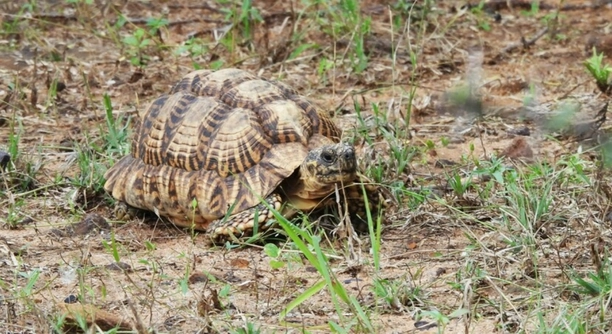
A star tortoise’s health is vital for its long-term happiness. Ensuring that its immune system remains strong is essential for preventing diseases and promoting overall well-being. Understanding natural ways to boost its immunity is crucial for its care.
Providing your star tortoise with a balanced diet, proper hydration, and adequate exposure to natural sunlight are key factors in boosting its immune system. Incorporating specific natural supplements, such as herbs and probiotics, can further strengthen its defenses against illnesses.
By focusing on these methods, you can help ensure your tortoise stays healthy and resilient. There are simple steps you can take to support its immune system and enhance its quality of life.
Provide a Balanced Diet
A balanced diet is one of the best ways to boost your star tortoise’s immune system. Star tortoises need a variety of nutrients, including protein, fiber, and vitamins. Offering a mix of leafy greens, vegetables, and a small amount of fruit can provide the essential nutrients. A diet rich in calcium and phosphorus is also important for their bone health and overall immunity. Avoid feeding them too many high-oxalate foods, such as spinach, as these can interfere with calcium absorption.
It’s also important to include some high-fiber food like grass and hay, which help maintain healthy digestion. Providing a variety of foods ensures that your tortoise gets the nutrients it needs for a strong immune system. Fresh food should always be washed thoroughly to remove pesticides and chemicals. Offering food items that are seasonally available will keep the diet diverse and appealing.
Maintaining proper portion sizes and avoiding overfeeding is essential. When in doubt, consult with a vet to ensure that your tortoise’s diet supports a strong immune system, preventing health issues that may arise from nutritional deficiencies.
Ensure Proper Hydration
Hydration is just as important as diet when it comes to keeping your star tortoise healthy. They need fresh water available at all times. Star tortoises may also benefit from occasional misting or soaking in shallow water to promote hydration and prevent dehydration, especially during warmer months.
Proper hydration supports digestion, helps maintain skin health, and strengthens the immune system. If a tortoise is dehydrated, it can lead to serious health problems, including kidney issues and a weakened immune system. Therefore, ensuring they stay well-hydrated is a simple yet effective way to boost their overall health.
Provide Access to Natural Sunlight
Natural sunlight is essential for your star tortoise’s health. It provides vitamin D3, which is crucial for calcium absorption and bone strength. When kept indoors, they should have access to a UVB light source, but natural sunlight remains the best option for promoting overall well-being.
Ideally, your star tortoise should be exposed to sunlight for at least 2-3 hours a day. This exposure helps regulate their internal clock and supports their immune system. It also prevents metabolic bone disease, which can arise from vitamin D3 deficiencies. During sunny days, take your tortoise outdoors for a safe and controlled amount of time, but avoid overexposure to prevent overheating.
Too much direct sunlight without access to shade can lead to dehydration or overheating. Ensure your tortoise has a cool place to retreat to when needed. Balance is key, so always monitor the duration and intensity of sun exposure.
Add Probiotics to Their Diet
Probiotics are beneficial bacteria that support digestion and overall health. Adding natural probiotics to your star tortoise’s diet can enhance their immune system by maintaining a healthy gut flora. These probiotics help fight off harmful bacteria and ensure your tortoise’s digestive system functions properly.
You can incorporate probiotics by offering foods like plain, unsweetened yogurt or by using specific tortoise-safe probiotic supplements. Some tortoises may also benefit from probiotic-rich foods like fermented vegetables. Consult your vet to determine the best options for your tortoise.
In addition to boosting immunity, probiotics support the absorption of nutrients. A healthy digestive system leads to better overall health and can prevent issues like diarrhea or constipation. By regularly adding probiotics to their diet, your star tortoise’s immune system becomes more resilient and able to fight off illness more effectively.
Incorporate Herbal Supplements
Herbs can offer natural immune-boosting benefits for your star tortoise. Herbs like oregano, parsley, and dandelion are known to support digestion and immunity. These can be added to their diet in small quantities for additional health benefits.
Herbal supplements like echinacea and aloe vera can also support their immune function. Be sure to research or consult a vet before introducing any new herbs to avoid potential toxicity. Fresh, organic herbs are often the best choice. Introduce them gradually to see how your tortoise reacts, ensuring it doesn’t upset their digestion.
Offer a Stress-Free Environment
Stress can weaken your star tortoise’s immune system, making them more susceptible to illness. Providing a calm, comfortable living space is essential for their health. A quiet environment helps prevent stress-related health issues.
Maintain a consistent temperature and humidity level in their habitat. Too much noise or disturbance can cause anxiety, weakening their immunity. Providing hiding spots and areas for your tortoise to feel secure will go a long way in promoting a healthy immune response.
FAQ
How often should I feed my star tortoise?
Star tortoises should be fed daily, but the amount of food will vary depending on their age and size. Young tortoises tend to eat more often, while adults can be fed every other day. Offering a variety of leafy greens and vegetables is essential for a balanced diet. Ensure their diet is rich in fiber, calcium, and other essential nutrients to support their immune system.
Can star tortoises eat fruit?
Yes, star tortoises can eat fruit, but it should only be offered in moderation. Fruit is high in sugar and should not make up the majority of their diet. You can occasionally offer small amounts of fruits like apples, berries, or melons. Always remove any seeds or pits from the fruit to avoid choking hazards.
What is the best temperature for a star tortoise’s enclosure?
The ideal temperature for a star tortoise’s enclosure should range between 85°F and 95°F during the day. At night, the temperature can drop to around 75°F. Ensure there is a basking area with a heat source to help them regulate their body temperature. Having a thermometer in the enclosure is important to keep track of the temperatures.
How can I tell if my star tortoise is sick?
Signs of illness in star tortoises include lack of appetite, lethargy, difficulty breathing, or abnormal behavior. A healthy tortoise should be active, eating regularly, and displaying normal behavior. If your tortoise shows any signs of distress, it’s crucial to consult a vet immediately to address potential health concerns.
Should I soak my star tortoise?
Soaking your star tortoise is a good way to help with hydration. Especially during warmer months or if your tortoise is not drinking enough water, soaking can encourage them to hydrate. Use shallow, lukewarm water, and only soak for around 20-30 minutes at a time to avoid stress.
Can I keep a star tortoise with other pets?
Star tortoises are best kept in a separate enclosure, away from other pets. If housed with other animals, there is a risk of injury, stress, and the spread of diseases. Tortoises have specific habitat needs that may not be compatible with other pets, especially if the other animals are aggressive or curious.
What kind of substrate should I use for my star tortoise’s enclosure?
For the substrate, natural materials like coconut coir, hay, or a mix of soil and sand work best. The substrate should be easy to clean and provide a comfortable, dry surface for your tortoise. Avoid using cedar or pine shavings, as they can be harmful to tortoises.
How much UVB light does my star tortoise need?
Star tortoises need access to UVB light for around 10-12 hours a day. This helps them synthesize vitamin D3, which is crucial for calcium absorption. If natural sunlight is unavailable, providing a high-quality UVB light bulb specifically designed for reptiles is essential to support their health and immunity.
What should I do if my star tortoise is not eating?
If your star tortoise is not eating, it could be a sign of stress, illness, or improper environmental conditions. Ensure that the temperature and humidity levels are optimal and that the enclosure is free from disturbances. If the issue persists, it’s important to consult with a vet to rule out any health problems.
How long do star tortoises live?
Star tortoises can live for several decades, with lifespans averaging between 50 and 100 years. Proper care, including a balanced diet, suitable habitat, and regular health checks, can help ensure that your tortoise lives a long, healthy life. Their longevity makes them a long-term commitment for any pet owner.
Can I feed my star tortoise commercial tortoise food?
While commercial tortoise food can be used in moderation, it should not be the main part of your star tortoise’s diet. Fresh greens, vegetables, and occasional fruit should make up the majority of their food. Commercial food can be used as a supplement, but it often lacks the variety and nutrients that fresh food provides.
How do I provide the right humidity for my star tortoise?
Star tortoises prefer moderate humidity levels between 50-70%. A simple way to maintain humidity is by lightly misting the enclosure each day. Ensure the substrate retains some moisture, but avoid making it too wet, as excessive moisture can lead to respiratory issues and other health problems.
Can I give my star tortoise treats?
Treats can be given occasionally but should never replace their regular diet. Healthy options include small amounts of fruit, dandelion greens, or hibiscus flowers. These treats should be offered in moderation to ensure that your tortoise continues to receive a balanced, nutrient-rich diet.
Final Thoughts
Taking care of your star tortoise’s immune system is vital for their overall health and longevity. By offering a balanced diet, maintaining a proper habitat, and minimizing stress, you can help ensure that your tortoise stays healthy. Small changes, such as introducing fresh herbs, providing UVB light, and using the right substrate, can make a significant difference in their well-being. It’s essential to always stay informed and be aware of the different needs that come with caring for a pet tortoise.
Additionally, regular health checks and observing your tortoise for any signs of illness can help catch potential issues early. Just like any other pet, star tortoises need attention and care to thrive. They may be low-maintenance compared to other animals, but this doesn’t mean they should be neglected. Their immune system depends on the environment and care you provide. Simple steps, like soaking them for hydration or ensuring they have enough space to roam, can go a long way in maintaining their health.
Remember, a healthy star tortoise is a happy tortoise. With proper attention and the right care practices, your tortoise can live a long, healthy life. Offering them the right nutrients, keeping their environment stress-free, and keeping up with routine care will help boost their immune system naturally. With these practices, you can enjoy watching your star tortoise thrive in your care for years to come.

Hello,
If you enjoy the content that we create, please consider saying a "Thank You!" by leaving a tip.
Every little bit helps us continue crafting quality advice that supports the health, happiness, and well-being of pets around the world, for pets of all shapes, sizes, and species.
We really appreciate the kindness and support that you show us!