
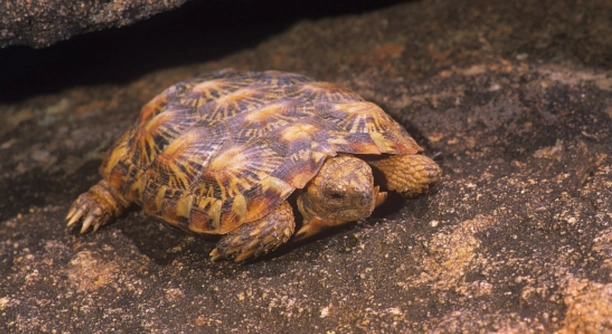
Tortoises are gentle creatures, and their health is in our hands. Taking care of their immune system is essential for their overall well-being. Natural ways to support their immune system are easy to implement and effective.
Boosting a tortoise’s immune system naturally can be done through proper diet, exercise, and environmental care. Providing a balanced diet with vitamin-rich foods, regular exposure to sunlight, and ensuring a stress-free environment can help maintain their health.
Tortoises thrive when given proper care and attention. The following methods will give you the tools to keep your tortoise healthy and strong for years to come.
1. Proper Diet for a Healthy Immune System
A tortoise’s immune system relies heavily on its diet. Just like us, they need a variety of vitamins and minerals to stay healthy. Dark leafy greens like kale, dandelion greens, and collard greens are excellent sources of vitamins A and C, both of which support immune health. Additionally, fruits like papaya and berries provide antioxidants that help protect the body from harmful free radicals. Be sure to avoid high-oxalate foods like spinach, as they can interfere with calcium absorption, affecting overall health. A balanced diet will ensure your tortoise gets all the nutrients it needs for a strong immune system.
The food you give them should be fresh, varied, and appropriate for their species. Not only does a nutritious diet promote a healthy immune system, but it also supports growth, energy, and longevity.
For added protection, consider adding supplements like calcium or vitamin D3 to their food, especially if your tortoise doesn’t have regular access to sunlight. Always consult a vet to ensure you’re giving the right amounts of these vitamins.
2. Sunlight and Vitamin D3
Tortoises need exposure to sunlight for several reasons. Vitamin D3, which is produced through sunlight, is essential for absorbing calcium and promoting bone health. Without it, they could develop serious health issues like metabolic bone disease.
Providing a tortoise with at least 10-12 hours of direct sunlight per day is key. If sunlight isn’t available, UVB lamps can substitute for natural sunlight to help produce vitamin D3. Ensure that the lamp is specifically designed for reptiles, as regular bulbs do not provide the necessary UVB rays.
A consistent light cycle mimics natural conditions and encourages healthy habits. Sunlight also boosts their mood and overall vitality. Be mindful, though, not to overexpose them to the heat, as that can cause dehydration or heat stress.
3. Clean, Safe Habitat
A clean habitat is essential for your tortoise’s immune system. Regularly clean their enclosure to avoid bacteria and mold buildup, which could lead to infections. Keep the environment dry and well-ventilated, as moisture can encourage harmful bacteria growth.
A safe habitat also means providing the right temperature and humidity levels. These should mimic their natural environment, which helps maintain overall health. Ensure your tortoise has plenty of space to move and explore. A stimulating environment reduces stress and strengthens the immune system. Regularly check for any hazards like sharp objects or excessive moisture that could cause harm.
Also, ensure that any outdoor enclosure is secure to protect your tortoise from predators and extreme weather. A stress-free living space is vital for keeping their immune system strong and functioning properly.
4. Hydration and Bathing
Proper hydration is often overlooked but essential for a tortoise’s immune health. Fresh, clean water should always be available for them to drink, and regular baths help keep them hydrated. Bathing also promotes healthy skin shedding.
To prevent dehydration, offer a shallow dish of water that’s easy for your tortoise to access. Soaking in warm water for 20 minutes a few times a week will allow them to absorb moisture through their skin, supporting overall hydration.
Make sure the water isn’t too deep, as your tortoise should be able to comfortably climb in and out. Regular baths help stimulate their digestive system and can prevent constipation, which is common in dehydrated tortoises.
5. Avoiding Stress
Stress can weaken a tortoise’s immune system. Avoid sudden changes in their environment, as well as loud noises or overcrowding. A calm, predictable routine helps them feel secure and safe. Stress can lead to illness, so be mindful of their emotional well-being.
Try not to handle your tortoise too frequently, as this can stress them out. Allow them time to acclimate to new surroundings before introducing them to other pets or changes in their habitat. A relaxed tortoise is a healthier tortoise, with a stronger immune system.
6. Regular Exercise
Exercise is crucial for maintaining a tortoise’s health. It helps with digestion, circulation, and overall immune function. Allow your tortoise to roam in a safe space where they can explore and move freely. This helps build muscle and stimulates their body.
Providing a variety of surfaces to walk on, such as grass, rocks, and dirt, keeps their movement natural and engaging. Active tortoises are healthier and more resilient to infections. Regular movement also aids in the natural process of shedding their skin and helps prevent weight gain.
7. Regular Veterinary Check-ups
Regular check-ups are essential for keeping a tortoise’s immune system in check. A veterinarian can spot any underlying issues before they become serious problems. Early intervention is key to maintaining good health.
Routine exams also provide the opportunity to check for parasites or infections, which could negatively affect their immune system. Make sure your vet is experienced with reptiles, as tortoises require specific care. Having a professional assess your tortoise’s health annually can make all the difference in preventing long-term issues.
FAQ
How can I tell if my tortoise’s immune system is weak?
Signs of a weak immune system in tortoises can include lethargy, lack of appetite, swollen eyes, respiratory issues, or unusual discharge from the nose or mouth. If your tortoise seems sluggish, refuses to eat, or shows signs of swelling, it may be a sign of illness or stress. Monitoring their behavior closely and acting promptly can help address any issues before they worsen.
What are the best foods to boost my tortoise’s immune system?
Leafy greens such as kale, dandelion greens, and collard greens are excellent for boosting the immune system. Adding fruits like strawberries, blueberries, and papaya provides antioxidants that support overall health. Ensure your tortoise has a variety of vegetables, such as squash and carrots, along with high-fiber plants. However, avoid giving them too many fruits as they are high in sugar. A proper balance between greens, vegetables, and occasional fruits is key.
Can stress really affect my tortoise’s health?
Yes, stress can negatively impact a tortoise’s immune system. Constant stress can cause a weakened immune response, leading to illness. Signs of stress include hiding, not eating, excessive pacing, or breathing rapidly. Keeping their environment stable and quiet, avoiding handling them too much, and providing a predictable routine will help reduce stress levels. A tortoise’s health is closely tied to how comfortable and relaxed they feel in their environment.
How often should I bathe my tortoise to keep them hydrated?
Bathing your tortoise a couple of times a week is usually enough. Soaking in lukewarm water for 20 to 30 minutes helps with hydration and skin shedding. If your tortoise is in a particularly dry environment or has trouble drinking water on its own, you may need to bathe them more frequently. Always ensure the water is shallow enough for them to climb in and out safely.
Is it necessary for my tortoise to have access to UVB light?
Yes, UVB light is necessary for tortoises to produce vitamin D3, which helps in calcium absorption and bone health. If your tortoise doesn’t have access to natural sunlight, it’s essential to provide a UVB light in their enclosure. Without it, they may develop metabolic bone disease and other health issues. The UVB light should be placed properly and replaced regularly, as the UVB output decreases over time.
How much space does my tortoise need to stay healthy?
Tortoises require enough space to move freely and exercise. The minimum size of their enclosure depends on their species. For most tortoises, a larger space is always better, as it mimics the vast environments they roam in the wild. A tortoise should have plenty of room to walk around and explore, which helps maintain their physical and mental health. A cramped living space can lead to stress, poor mobility, and health problems.
Should I use supplements for my tortoise’s health?
Supplements can be beneficial, but they should only be used if necessary. If your tortoise doesn’t get enough natural sunlight or if their diet lacks certain nutrients, supplements like calcium or vitamin D3 may be helpful. However, it’s important not to over-supplement, as this can lead to toxicity or imbalance in their diet. It’s best to consult a vet before adding supplements to ensure they’re safe and effective for your tortoise’s specific needs.
How can I prevent my tortoise from getting sick?
Prevention starts with creating a clean, stress-free environment and providing a balanced diet. Regular veterinary check-ups, proper hydration, and adequate sunlight exposure are also essential for maintaining a healthy immune system. Ensuring your tortoise’s habitat is free of parasites and diseases will reduce the risk of illness. Avoiding overcrowding and handling them too much helps minimize stress. Taking these preventative measures will support your tortoise’s overall health and well-being.
What temperature should my tortoise’s habitat be?
Temperature plays a significant role in your tortoise’s immune health. Most tortoises require a basking spot between 85°F and 90°F (29°C to 32°C) and a cooler area between 70°F and 75°F (21°C to 24°C). A proper temperature gradient allows your tortoise to regulate its body temperature effectively. It’s essential to monitor the humidity levels as well, which should be around 50% to 60% for many species. These temperatures should mimic their natural environment, supporting their immune system and digestion.
Can my tortoise live outside in cold weather?
Tortoises are cold-blooded animals and can become ill in cold weather. It is not advisable to keep your tortoise outside during cold months unless they have access to a heated enclosure. If exposed to temperatures below 50°F (10°C), your tortoise could become stressed or develop respiratory issues. For outdoor tortoises, ensure they have a safe, warm area to retreat to during colder weather, such as a heated shelter or hutch, to protect them from the elements.
Are there any common health issues that affect tortoises?
Common health issues in tortoises include respiratory infections, shell rot, metabolic bone disease, and parasites. Respiratory infections are often caused by inadequate temperature or humidity levels. Shell rot can occur if the tortoise’s shell is damaged or exposed to prolonged moisture. Metabolic bone disease can develop due to a lack of calcium or vitamin D3, often from insufficient sunlight or poor diet. Parasites can cause digestive problems and weaken the immune system. Regular check-ups and preventive care are essential to keep these issues at bay.
Final Thoughts
Taking care of a tortoise’s immune system is an ongoing responsibility that requires attention to diet, environment, and general well-being. By providing a balanced diet rich in vitamins, minerals, and antioxidants, you help ensure their body has the necessary resources to fight off infections. Offering fresh greens, occasional fruits, and avoiding high-sugar foods can strengthen their immune system. Additionally, ensuring proper hydration through regular baths and access to clean water plays a significant role in supporting their health.
A clean and stress-free environment is just as important. Stress can negatively affect their immune system, so it’s essential to keep their living area safe and comfortable. Ensuring they have adequate space to roam and a quiet environment can reduce the chances of stress. Regular access to sunlight or UVB light helps them produce vitamin D3, which is crucial for calcium absorption. Keeping their habitat clean, free from bacteria, and at the correct temperature will also prevent health issues that might compromise their immune system. Regular veterinary check-ups can spot problems early and prevent them from worsening, ensuring your tortoise stays strong and healthy.
Taking small, consistent steps to maintain a tortoise’s health can make a big difference in their overall well-being. A healthy tortoise will live a long, happy life with proper care. By following the tips shared here, you can help your tortoise maintain a strong immune system and improve its quality of life. A little attention to their diet, habitat, and stress levels will ensure they remain healthy and thrive for many years.

Hello,
If you enjoy the content that we create, please consider saying a "Thank You!" by leaving a tip.
Every little bit helps us continue crafting quality advice that supports the health, happiness, and well-being of pets around the world, for pets of all shapes, sizes, and species.
We really appreciate the kindness and support that you show us!