
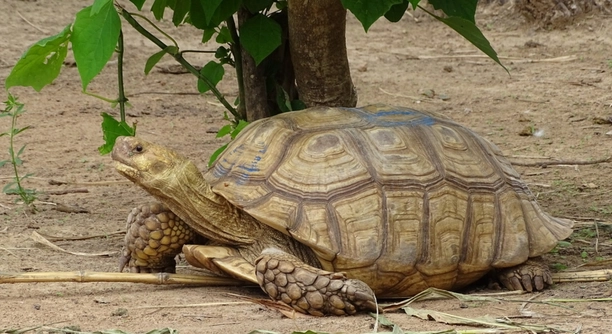
Keeping a sulcata tortoise healthy involves more than just providing shelter and food. Adding natural supplements can play a key role in supporting their overall health. These supplements can enhance their diet and promote well-being.
The best natural supplements for a sulcata tortoise include calcium, vitamin D3, and omega-3 fatty acids. These nutrients help improve shell quality, support bone health, and boost the immune system, contributing to a longer, healthier life for your tortoise.
Incorporating these supplements can ensure your tortoise thrives. Understanding the right balance is essential for their health and happiness.
Calcium for Strong Shells and Bones
Calcium is one of the most important supplements for a sulcata tortoise. It supports strong bones and helps with proper shell growth. Without enough calcium, your tortoise can develop deformities and other health issues. Adding calcium to their diet helps prevent metabolic bone disease, a common condition caused by calcium deficiencies. It’s essential to use a calcium supplement designed for reptiles to ensure the right amount is provided. Dusting their food with calcium powder or offering calcium-rich foods like dark leafy greens can also be effective.
In addition to supplements, it’s important to provide your tortoise with access to natural sunlight or a UVB light. This helps them absorb the calcium more efficiently, ensuring they stay strong and healthy.
Calcium is essential for maintaining a sulcata tortoise’s overall health. Be sure to monitor their intake closely, as too much calcium can lead to other health problems like kidney damage. A balanced diet combined with proper supplementation will help your tortoise thrive.
Vitamin D3 for Better Absorption
Vitamin D3 helps sulcata tortoises absorb calcium properly. Without adequate D3, calcium supplementation may not be as effective.
Tortoises are able to produce vitamin D3 when exposed to UVB light, making it a key factor in their health. However, in areas with limited sunlight, a supplement can be helpful. Vitamin D3 works with calcium to support bone health, shell development, and the immune system. It’s important to avoid giving excessive amounts, as too much can cause toxicity. Over-supplementation should always be avoided to keep your tortoise safe.
Omega-3 Fatty Acids for Healthy Skin and Shell
Omega-3 fatty acids are crucial for a sulcata tortoise’s overall health. They support healthy skin and help maintain a smooth, strong shell. Omega-3s also contribute to the tortoise’s immune system, making them more resilient to illness.
You can provide omega-3 fatty acids through supplements or foods like flaxseeds, chia seeds, and leafy greens. These sources are rich in essential oils that promote skin elasticity and shell regeneration. Regular use can improve your tortoise’s overall vitality and help maintain a glossy shell.
However, ensure you’re not overdoing it with omega-3 supplements. A balanced diet with appropriate portions of omega-3s will keep your tortoise healthy without causing unnecessary health complications.
Fiber for Healthy Digestion
Fiber is another important supplement to keep your tortoise’s digestive system functioning well.
A diet rich in fiber helps prevent constipation and promotes gut health. Fiber supplements can also help regulate bowel movements, which is crucial for maintaining overall health. Foods like hay, grass, and high-fiber greens should be included in your tortoise’s daily meals to ensure they get adequate fiber.
Providing fiber in the right quantities helps prevent common digestive problems, such as bloating and discomfort. Regular fiber intake supports long-term digestive health and can prevent more serious issues from developing. A fiber-rich diet is a simple yet effective way to keep your sulcata tortoise happy and healthy.
Probiotics for a Healthy Gut
Probiotics can help maintain a healthy gut in your sulcata tortoise. They promote beneficial bacteria in the digestive system.
Adding probiotics to your tortoise’s diet can help with nutrient absorption and improve overall digestion. This can reduce the likelihood of digestive issues like diarrhea or constipation.
Multivitamins for Overall Health
Multivitamins help ensure that your tortoise gets all the essential vitamins it needs. They fill in nutritional gaps.
These supplements can help cover any deficiencies in the diet, supporting bone, skin, and immune health. A balanced multivitamin specifically designed for reptiles is best for your sulcata tortoise’s overall well-being.
FAQ
What supplements should I give my sulcata tortoise?
Your sulcata tortoise needs calcium, vitamin D3, omega-3 fatty acids, fiber, probiotics, and multivitamins. Calcium and vitamin D3 are crucial for bone and shell health, while omega-3s help with skin and shell quality. Fiber promotes healthy digestion, probiotics improve gut health, and multivitamins ensure balanced nutrition.
How do I know if my sulcata tortoise is getting enough calcium?
A lack of calcium can lead to soft or deformed shells and bones. If your tortoise’s shell feels soft or shows abnormal growth, it may be calcium-deficient. Offering a calcium supplement, along with proper UVB lighting for better calcium absorption, can help. Monitoring their shell and health can provide signs.
Can I give my sulcata tortoise calcium without vitamin D3?
Vitamin D3 is necessary for calcium absorption. Without adequate D3, calcium supplementation won’t be as effective. UVB light or vitamin D3 supplements ensure that the calcium is properly absorbed. Make sure both nutrients are balanced to support your tortoise’s health.
How often should I supplement my sulcata tortoise’s diet?
The frequency of supplementation depends on your tortoise’s age and diet. Young sulcata tortoises need more frequent supplementation of calcium and vitamins, while adults may require less. Typically, calcium and vitamin D3 should be provided 2-3 times a week, and multivitamins can be given every 2-3 weeks. Always follow supplement label guidelines.
Can I over-supplement my sulcata tortoise?
Yes, over-supplementing can cause serious health issues like kidney damage or toxicity. It’s important to follow the recommended dosage for each supplement and avoid giving more than what’s needed. Monitoring their health and shell quality will help prevent over-supplementation. Always consult a vet if unsure.
What are the signs of vitamin D3 deficiency in sulcata tortoises?
Vitamin D3 deficiency can lead to weak bones, poor shell growth, and lethargy. Your tortoise may also appear reluctant to move or eat, and their shell may feel soft. Ensure they are exposed to UVB light or receive a vitamin D3 supplement to prevent deficiency.
Can I give my sulcata tortoise omega-3 supplements?
Yes, omega-3 fatty acids are beneficial for a sulcata tortoise. They support healthy skin, shell, and immune system. Omega-3s can be provided through supplements or natural food sources like flaxseeds, chia seeds, and leafy greens. Just ensure the correct dosage to avoid an imbalance.
Do I need to provide probiotics for my sulcata tortoise?
Probiotics are beneficial for promoting a healthy gut and improving digestion. They can help prevent digestive issues such as bloating or constipation. Probiotic supplements specifically designed for reptiles are recommended. They help maintain the right balance of bacteria in the digestive system, supporting overall health.
How can I tell if my sulcata tortoise has a digestive problem?
Signs of digestive issues include irregular bowel movements, bloating, or lack of appetite. If your tortoise is not passing waste regularly or seems uncomfortable, it could be a sign of constipation or other digestive problems. Adding fiber and probiotics to their diet may help, but consult a vet if symptoms persist.
Is fiber important for my sulcata tortoise?
Yes, fiber is essential for digestion. It helps prevent constipation and ensures regular bowel movements. High-fiber foods like grass, hay, and leafy greens should be a staple in your tortoise’s diet. Fiber helps maintain a healthy digestive system and supports overall well-being.
How often should I give my sulcata tortoise multivitamins?
Multivitamins should be given to your sulcata tortoise about once every 2-3 weeks. This ensures that they are getting a complete range of essential vitamins that may not be present in their diet. Overuse can lead to toxicity, so it’s important to stick to the recommended frequency.
Can I feed my sulcata tortoise fruit for extra nutrients?
While fruits can be offered occasionally, they should not be a regular part of your sulcata tortoise’s diet. Fruits are high in sugar and can lead to digestive upset or obesity if fed too often. Offer fruits as a treat in moderation, focusing more on fibrous vegetables and grasses.
Should I worry about my sulcata tortoise’s weight?
A sulcata tortoise that is too thin may not be getting enough nutrition, while one that is overweight could be overfed. Regularly monitoring your tortoise’s weight and size is important. Ensure a balanced diet of high-fiber foods, proper supplementation, and enough space to roam. If concerned, consult a vet.
Is it safe to supplement my sulcata tortoise’s diet with homegrown plants?
Homegrown plants can be a great addition to your tortoise’s diet, but make sure they are safe and pesticide-free. Many edible plants can provide extra nutrients, but some can be toxic. Research or ask a vet to ensure the plants you grow are safe and suitable for your tortoise.
Final Thoughts
Providing the right supplements for your sulcata tortoise is crucial for its overall health and well-being. Calcium, vitamin D3, and multivitamins play a significant role in maintaining strong bones and a healthy shell. Along with these, fiber and probiotics help ensure proper digestion, which is essential for a tortoise’s growth and energy levels. When you provide a balanced diet and appropriate supplements, you contribute to your tortoise’s long-term health, reducing the risk of deficiencies and health issues. Regular monitoring of your tortoise’s condition will allow you to adjust its diet and supplementation as needed.
While it’s important to supplement your tortoise’s diet, over-supplementation can be just as harmful as deficiencies. Be sure to follow guidelines for each supplement and avoid exceeding the recommended amounts. It’s always a good idea to consult with a reptile veterinarian to ensure you are offering the right balance of nutrients. With the right care, your sulcata tortoise will have a healthy and happy life. Observing its behavior, shell health, and appetite can help you detect any early signs of problems, allowing you to address them quickly.
Incorporating natural, high-quality supplements and focusing on a diverse diet will improve your sulcata tortoise’s quality of life. Consistency is key when it comes to their nutrition, and by being proactive about their needs, you’ll help them thrive. Keep in mind that each tortoise is unique, and their individual needs may vary. Regular check-ups with a vet will ensure you stay on the right track. By making informed decisions about supplements and overall care, you give your tortoise the best chance at a healthy and long life.

Hello,
If you enjoy the content that we create, please consider saying a "Thank You!" by leaving a tip.
Every little bit helps us continue crafting quality advice that supports the health, happiness, and well-being of pets around the world, for pets of all shapes, sizes, and species.
We really appreciate the kindness and support that you show us!