
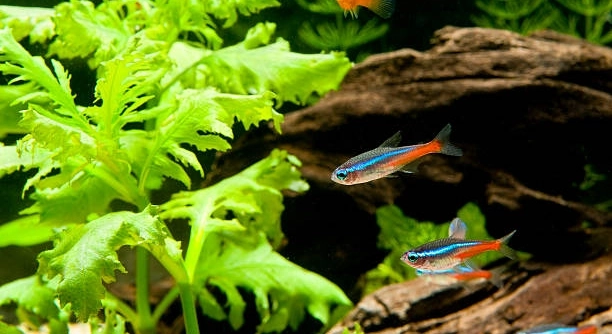
Is your neon tetra looking sluggish, losing color, or refusing to eat? Caring for sick fish can feel overwhelming at times. Thankfully, natural remedies can offer gentle support without harsh chemicals or complex treatments.
The best natural remedies for sick neon tetra include Indian almond leaves, garlic extract, aquarium salt, and temperature regulation. These methods help reduce stress, boost immunity, and encourage recovery, especially when used early and consistently.
Simple adjustments and natural aids can make a big difference in your neon tetra’s comfort, health, and ability to recover fully.
Add Indian Almond Leaves to the Tank
Indian almond leaves are one of the most effective natural remedies for sick neon tetras. These leaves release tannins into the water, which create a calming environment and help reduce stress. They also have mild antibacterial and antifungal properties that support healing. You don’t need to do much—just place a dried almond leaf in your tank and let it slowly break down. As it does, it naturally conditions the water and encourages a healthier balance for your fish. These leaves also lower pH slightly, which can be beneficial for neon tetras recovering from illness. If your fish looks stressed or unwell, adding one or two leaves to a small tank can make a noticeable difference. Keep an eye on water clarity and change the leaves every few weeks as needed. It’s a low-effort option that can support your fish during tough times.
This method works well for both mild and early symptoms.
It’s a simple addition that doesn’t disturb your setup and works quietly in the background. Unlike treatments that require daily dosing or measuring, almond leaves work gradually. You’ll start to see calmer behavior, brighter colors, and more activity within days. It’s important to note that results vary based on the severity of the illness, but many fish keepers swear by the effects of almond leaves. You can usually find them in pet stores or order them online in packs. Avoid boiling them before use—they release tannins better in their natural form. Just rinse them with water and drop them in. If your tetra isn’t eating, try combining this remedy with garlic extract for a gentle boost to their immune system. The natural approach can be just as effective when given with patience and consistency. It’s all about creating a calm, clean space that encourages your fish to bounce back.
Use Garlic Extract to Boost Immunity
Garlic extract can help sick neon tetras by strengthening their immune system and encouraging appetite. It’s especially helpful when fish refuse food during illness.
Crush a fresh clove of garlic and soak your tetra’s food in the juice for a few minutes before feeding. Garlic contains allicin, which supports the immune system and fights off harmful bacteria. This method not only makes the food more appealing but also gives your fish a better chance to recover. If you notice your tetra hiding more, losing color, or skipping meals, garlic can gently nudge them back toward eating. It’s best used alongside other natural remedies rather than on its own. Don’t overdo it—two or three feedings per week are enough. Always remove uneaten food promptly to maintain good water quality. This is a helpful remedy for early signs of illness and works best with fresh, high-quality garlic.
Raise the Water Temperature Slightly
Raising the temperature just a few degrees can support your neon tetra’s immune response. Warmer water helps speed up metabolism, making it easier for the fish to recover. Just avoid sudden changes and monitor the tank closely during the adjustment.
Keep the temperature between 78°F and 80°F for a short period while your neon tetra recovers. A gradual increase—no more than 1°F per day—is safest. Use an adjustable aquarium heater to maintain consistent warmth. During this time, monitor the fish’s behavior, appetite, and activity level. You may see more movement, brighter color, or a return to eating. Still, be cautious not to overheat the water, as neon tetras can become stressed above 82°F. Stick to clean water changes and limit additional changes to the tank during recovery. Warmth, paired with stable conditions, can gently help your fish regain strength without adding more stress to its environment.
Higher temperatures also reduce the risk of secondary infections, especially if used with other remedies like garlic or almond leaves. Pathogens such as ich tend to slow down in warmer conditions, which gives your fish a better chance to fight back. However, temperature adjustments must always be paired with close observation. If you notice rapid breathing, erratic swimming, or signs of stress, lower the temperature gradually. Don’t rely on this method alone—it works best when combined with supportive feeding and natural supplements. Keeping the tank calm and quiet will help reduce further stress, giving your tetra the peaceful space it needs to heal properly. Always check that your thermometer is accurate and functioning well. Consistency matters more than anything during this phase.
Use Aquarium Salt in Small Doses
Aquarium salt can help reduce stress and support gill function. It’s commonly used in small doses to aid recovery in freshwater fish. Just make sure you use the correct type and follow dosage instructions carefully.
For neon tetras, dissolve 1 teaspoon of aquarium salt per 5 gallons of water. Stir it in a separate container before adding it to the tank, ensuring even distribution. This remedy supports the fish’s natural defenses and can help treat mild infections, especially external ones. Use only pure aquarium salt—avoid table salt or marine salt blends. Do not pour it directly into the tank without dissolving. Keep an eye on your tetra for signs of relief, like smoother swimming and reduced flashing behavior. Repeat the dose only after water changes, never add extra between treatments. Some plants may not tolerate salt, so consider removing delicate ones or treating your tetra in a hospital tank. Always maintain good filtration and avoid overuse.
Keep the Tank Clean and Well-Maintained
A clean tank supports faster healing and lowers the risk of infection spreading. Regular water changes—about 25% every few days—can help reduce waste buildup and keep ammonia and nitrite levels in check during recovery.
Remove uneaten food, vacuum the substrate, and rinse filters with tank water, not tap. These small steps help maintain stable, healthy water conditions. When your tetra is sick, even small spikes in waste can slow recovery. Stick to a steady routine and avoid any major tank changes until the fish is healthy again.
Quarantine Sick Fish if Necessary
If only one or two neon tetras are sick, move them to a small, separate tank for treatment. This limits exposure to healthy fish and allows you to monitor and treat the sick ones more closely. Use the same water parameters to prevent shock and reduce extra stress.
Reduce Light and Movement Around the Tank
Keeping things calm around the tank helps lower stress. Reduce bright lighting and avoid tapping or sudden movements nearby. A quiet space allows your neon tetra to rest and recover without extra stimulation that may worsen symptoms.
FAQ
Can I use human medications to treat a sick neon tetra?
No, it’s not safe to use medications made for humans on fish. Many human medications contain ingredients that are toxic to aquatic life. Even small traces can upset the tank’s balance or harm your fish’s organs. Always stick to fish-specific treatments or natural remedies suited for freshwater aquariums. If you’re unsure, consult a vet who has experience with aquatic pets. Using the wrong product—even something like a common antibiotic—can easily cause more harm than good. It’s better to rely on proven treatments that are designed for small tropical fish.
How long does it usually take for a sick neon tetra to recover?
It depends on the cause and how early you catch it. With mild illness and proper care, you may notice improvement in a few days. For more serious issues, it could take up to two weeks or longer. Key signs of recovery include eating normally, active swimming, and brighter color. Recovery time also improves with stable water conditions and a low-stress environment. Stick to regular water testing, gentle remedies, and simple routines. Avoid introducing new fish or changing the tank setup during this time. Give your tetra the best chance by keeping things consistent and calm.
Can natural remedies really work, or do I always need medicine?
Natural remedies can be effective for mild symptoms and early stages of illness. They help reduce stress, support immunity, and improve overall tank health. Remedies like garlic, Indian almond leaves, or clean water changes work best when used early. But if symptoms get worse or don’t improve after a few days, you may need to switch to targeted medication. Natural options are good for prevention too—using them regularly can help avoid bigger problems later. Keep in mind that some remedies work slowly, so patience is important. And never mix too many treatments at once.
Is it okay to keep feeding my neon tetra while it’s sick?
Yes, but only if the fish is still willing to eat. Offer small amounts of high-quality food, like frozen or soaked flakes, once or twice a day. Avoid overfeeding—leftover food can raise ammonia levels and make things worse. If your tetra stops eating for a day or two, it’s not unusual during stress or illness. Don’t try to force-feed. Instead, focus on keeping the tank clean and conditions stable. Once the fish feels better, appetite usually returns on its own. Garlic-infused food can sometimes help stimulate appetite and add a mild immune boost too.
Can aquarium salt hurt my neon tetra if I use too much?
Yes, overdosing aquarium salt can cause more harm than help. Neon tetras are sensitive to changes in water chemistry, especially salinity. Too much salt can damage gills, skin, and internal organs. Always measure carefully—use only the amount recommended for freshwater fish. If you’re unsure, start with a lower dose and observe your fish for signs of stress. Salt treatments should be temporary and used only during active illness. Long-term use isn’t safe for soft-water fish like neon tetras. After treatment, do small water changes to remove any remaining salt gradually.
What are early signs that a neon tetra is getting sick?
Watch for faded color, clamped fins, rapid breathing, loss of appetite, or strange swimming patterns. Tetras may also separate from the group or hide more often. Even small changes in behavior can be the first sign that something’s off. Catching illness early gives you a better chance at successful treatment. Keep a close eye on your fish during feeding time and look for anything unusual. Regular observation makes it easier to act quickly before the illness spreads or worsens. Prevention is much easier than trying to heal a severely sick fish.
Can I still use a filter and heater while treating a sick fish?
Yes, and you should. Filters keep the water clean and reduce the buildup of harmful waste. Just be sure to rinse the filter media in old tank water—not tap—so you don’t lose beneficial bacteria. A heater is important too because stable temperatures help the fish recover faster. Sudden drops in temperature can lead to more stress or even shock. If using medications or salt, consider reducing the filter flow slightly to keep your sick fish from getting tossed around. But never turn it off completely, unless directed by a product’s instructions.
Final Thoughts
Taking care of a sick neon tetra can feel overwhelming at first, especially when you’re not sure what’s going wrong. These small fish are sensitive to changes in water quality, stress, and even small illnesses. That’s why paying attention to early signs like color fading, clamped fins, or slow movement is so important. When you catch these problems early, it’s much easier to help your fish recover with simple steps. Natural remedies such as Indian almond leaves, garlic, and aquarium salt (used carefully) can make a big difference. These options are gentle and often support recovery without causing extra stress. Still, it’s important to monitor your tetra closely and avoid making too many changes at once. A calm and stable tank is often one of the best things you can offer a fish that’s feeling unwell.
Keeping the tank clean and the water conditions stable is key in both preventing and treating illness. A consistent routine that includes regular water testing, partial water changes, and proper feeding helps create a healthy space where your neon tetras can thrive. Avoid overfeeding or overcrowding, and quarantine new fish before adding them to your main tank. These small steps can prevent major problems down the line. If you choose to use a natural remedy, always check how it might affect sensitive fish like tetras. Start with small amounts and observe how your fish reacts. Some natural treatments take time to show results, so give it a few days and stay patient. If things don’t get better or symptoms worsen, it may be time to consider medication that’s made for freshwater fish.
Every fish keeper goes through this at some point, so you’re not alone. The important thing is to stay calm, act quickly when something feels off, and focus on creating a low-stress environment. Natural remedies are a helpful tool, but they work best when paired with good tank habits and close observation. You don’t need to be an expert to help your neon tetra feel better—just being consistent and attentive goes a long way. Over time, you’ll learn what works for your tank and how to spot early warning signs before they turn into bigger issues. With a little effort and care, your fish can recover and return to their usual active, colorful selves. Keep things simple, stay patient, and always give your fish the best chance to heal and thrive.

Hello,
If you enjoy the content that we create, please consider saying a "Thank You!" by leaving a tip.
Every little bit helps us continue crafting quality advice that supports the health, happiness, and well-being of pets around the world, for pets of all shapes, sizes, and species.
We really appreciate the kindness and support that you show us!