
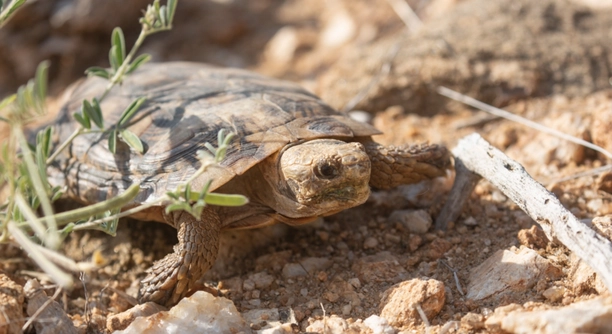
Pancake tortoises are fascinating creatures, known for their unique flat shells. However, like all pets, they can experience skin issues that require attention. Finding the best natural remedies for these problems is key to their overall health and comfort.
Natural remedies for pancake tortoise skin issues primarily focus on moisturizing, proper humidity, and maintaining a clean environment. Simple treatments such as aloe vera, coconut oil, and balanced diet adjustments can effectively address common skin problems like dryness and irritation.
In this article, we’ll cover simple, natural solutions that can help improve your pancake tortoise’s skin. These methods are easy to follow and ensure the well-being of your beloved pet.
Aloe Vera for Dry Skin
Aloe vera is one of the best natural remedies for dry skin in pancake tortoises. This plant is known for its soothing and moisturizing properties. Its gel, when applied directly to the affected area, can provide immediate relief to dry, cracked, or irritated skin. Aloe vera helps in healing minor wounds and can also prevent skin infection, making it a safe and effective option for skin care.
Simply apply a small amount of aloe vera gel on the tortoise’s skin after cleaning the area. Make sure the gel is pure and free of any additives or chemicals that might cause irritation. Aloe vera can be used several times a week, especially during dry or cold weather when the tortoise’s skin tends to dry out more easily.
It’s also helpful to grow aloe vera in your home or garden for easy access. By incorporating this natural remedy into your routine, you can keep your pancake tortoise’s skin in better condition. Just be consistent with its use and monitor the skin’s progress.
Maintaining Proper Humidity
Humidity plays a major role in skin health. If the environment is too dry, your pancake tortoise may experience cracked or flaky skin. Keeping the humidity levels consistent can help prevent this. A humidity range of 50-70% is ideal for their well-being.
A humidity gauge is essential for monitoring the tortoise’s habitat. Adjusting the humidity can be done with a simple spray bottle of water or a humidifier. Spraying the tortoise’s enclosure a few times a day can help mimic their natural environment, where humidity levels tend to be higher. Make sure the humidity is consistent, as fluctuations can still cause skin problems. Maintaining the right balance can keep the skin hydrated and healthy, reducing the chances of irritation or dryness. Additionally, it ensures overall health, supporting the tortoise’s immune system. By taking these small steps, your pancake tortoise will be more comfortable and avoid skin issues.
Coconut Oil for Skin Irritation
Coconut oil is a powerful natural remedy for soothing irritated skin. It’s gentle, yet highly effective in healing and moisturizing the skin of pancake tortoises. Its antimicrobial properties also help prevent infections and aid in the healing process of minor wounds or abrasions.
To apply coconut oil, gently rub a thin layer over the irritated areas. Make sure the oil is organic and unrefined to ensure the best quality. This oil not only moisturizes but also creates a protective layer on the skin that keeps it hydrated. It’s especially helpful when the skin is inflamed or if there are visible signs of redness.
Regular application of coconut oil can prevent dryness and help the skin heal faster. Its anti-inflammatory qualities reduce swelling and redness, which is particularly beneficial if the tortoise has been scratching or rubbing its skin too much. Be cautious not to overapply, as too much oil can make the enclosure too slippery.
Clean Environment for Skin Health
A clean habitat is essential for your pancake tortoise’s skin health. Bacteria and fungus thrive in dirty conditions, potentially leading to skin infections or other health issues. Regular cleaning of the enclosure is necessary to prevent these problems from developing.
Make it a habit to clean the tortoise’s living area every few days. Wipe down surfaces, replace soiled bedding, and check for any areas where moisture may have built up. Moist, dirty conditions can cause skin problems like fungal infections or even shell rot, which can worsen over time. Keeping everything dry and sanitized helps ensure your tortoise stays healthy.
Additionally, you should remove uneaten food to avoid attracting pests and bacteria. Ensure the water dish is cleaned frequently to prevent the growth of mold or algae, which could also impact skin health. By maintaining a hygienic environment, you’re significantly reducing the chance of skin issues arising.
Vitamin E for Skin Repair
Vitamin E is essential for skin repair and can help heal damaged or cracked skin on pancake tortoises. This nutrient supports the skin’s natural regeneration process, promoting healthy cell growth and reducing the appearance of scars.
You can apply vitamin E oil directly to the affected skin areas. It can also be mixed with coconut oil for additional hydration. Applying it regularly will encourage healing, making it an excellent option for dealing with skin irritation or injury. Ensure you use pure vitamin E oil without additives for the best results.
Balanced Diet for Skin Health
A well-balanced diet plays a crucial role in keeping your tortoise’s skin healthy. Nutrient deficiencies, especially in vitamins A, E, and calcium, can lead to skin problems such as dryness and shedding. Providing a varied diet helps prevent such issues.
Offering fresh vegetables, leafy greens, and some fruits ensures your tortoise gets the vitamins it needs. Calcium is also critical for overall skin health and shell strength. In some cases, adding a calcium supplement might be necessary. The proper diet not only supports the skin but also improves overall vitality and immune function.
Avoid Overheating
Overheating can lead to dehydration and skin problems in pancake tortoises. Excess heat causes the skin to become dry and flaky, and can result in other health issues like heat stress.
It’s important to maintain a consistent temperature in the enclosure. Ensure the basking spot is warm enough but not excessively hot, and provide shaded areas where your tortoise can cool off when needed. Proper heat regulation helps maintain hydration, which is vital for healthy skin.
FAQ
What are the signs of skin problems in pancake tortoises?
Skin issues in pancake tortoises are typically noticeable through dryness, flaking, or cracks in the skin. You might also notice redness or swelling, especially in areas where the skin has been irritated. In more severe cases, the skin might look thin or inflamed. If you see the tortoise rubbing or scratching its skin excessively, it could be a sign of discomfort. Pay attention to their overall behavior as well; if they’re lethargic or avoiding their usual activities, skin problems could be affecting their well-being.
How often should I apply natural remedies like aloe vera or coconut oil?
For best results, apply natural remedies like aloe vera or coconut oil 2-3 times a week, depending on the severity of the skin issue. If the skin is severely dry or cracked, you can apply them more frequently. However, make sure you aren’t overapplying the oils or gel, as this can make the environment too greasy and uncomfortable. Always monitor how your tortoise’s skin responds and adjust accordingly. Consistency is key for healing without overwhelming their skin.
Can poor diet contribute to skin problems in pancake tortoises?
Yes, a poor diet can absolutely contribute to skin problems. If your pancake tortoise isn’t getting the right balance of vitamins, minerals, and nutrients, it can show up in the form of dry or irritated skin. Specifically, a lack of vitamins A, E, and calcium can lead to skin issues. Ensure your tortoise is getting fresh greens, some fruits, and leafy vegetables to meet its dietary needs. You might need to add supplements, especially calcium, if you’re not able to provide enough through food. A balanced diet supports both the skin and the overall health of your tortoise.
What should I do if my pancake tortoise has an infection on its skin?
If you suspect an infection, it’s crucial to clean the affected area gently with warm water and a mild, non-toxic antiseptic. Make sure the area is dry before applying any natural remedies like aloe vera or coconut oil. However, if the infection seems severe or doesn’t improve, it’s best to consult a veterinarian. Infections can cause lasting damage if not treated properly, so it’s better to seek professional advice rather than wait for it to resolve on its own. A veterinarian can prescribe antibiotics if necessary and provide proper care instructions.
How can I maintain the right humidity levels for my pancake tortoise?
Maintaining the proper humidity level for your pancake tortoise is crucial for their skin health. Ideally, the humidity should be between 50-70%. To maintain these levels, you can use a hygrometer to monitor the moisture in the enclosure. Mist the tortoise’s habitat lightly with water every day or use a humidifier if the air is too dry. Ensure there are areas for your tortoise to move to in case it needs to escape excess moisture. Consistent humidity will help keep your tortoise’s skin hydrated and prevent it from drying out.
What temperature should I keep the enclosure for my pancake tortoise?
The temperature in the enclosure should range from 75°F to 85°F during the day, with a basking area that reaches up to 90°F. At night, the temperature can drop slightly, but it should not go below 70°F. Too much heat can lead to dehydration and dry skin, while too little heat can cause the tortoise to become sluggish and not eat properly. Providing a temperature gradient allows your tortoise to regulate its body temperature and move to a cooler or warmer spot depending on its needs.
How do I prevent shell rot in pancake tortoises?
Shell rot is often caused by prolonged exposure to damp and dirty conditions. To prevent this, it’s important to clean your tortoise’s enclosure regularly. Remove any uneaten food, and clean the water dish often to prevent bacteria growth. Ensure the humidity level is ideal but not too high, as this can promote fungal growth. Additionally, check your tortoise’s shell for any signs of soft spots, discoloration, or foul odors, as these can be signs of shell rot. If you notice any issues, seek veterinary help immediately to prevent it from spreading.
Is it safe to use essential oils for pancake tortoises?
Essential oils should generally be avoided when treating pancake tortoise skin problems. Many essential oils can be too strong or toxic to reptiles. Some oils, like tea tree oil, can cause skin irritation or even more serious reactions. Stick to gentle and safe natural remedies, such as aloe vera, coconut oil, or vitamin E oil, which are better suited for tortoise care. Always ensure the products you use are free from additives or harmful chemicals that can be harmful to your pet.
Taking care of a pancake tortoise’s skin involves paying attention to their environment, diet, and the natural remedies that can help them stay healthy. Regularly monitoring humidity and temperature levels in their enclosure is important to avoid dryness or dehydration, both of which can cause skin issues. A balanced diet full of the right vitamins and minerals also supports their overall well-being, including their skin. Proper hydration and good nutrition are the building blocks for keeping your tortoise’s skin in top condition.
Natural remedies like aloe vera, coconut oil, and vitamin E are all safe and effective ways to treat dry, irritated, or cracked skin. These options are gentle enough for regular use and offer additional benefits like healing and moisturizing properties. Aloe vera is especially helpful for soothing inflammation, while coconut oil provides moisture and prevents infections. Vitamin E can promote faster healing and help repair damaged skin. These remedies are easily available and simple to apply, making them great choices for at-home care.
Ultimately, the key to preventing and managing skin problems in pancake tortoises is consistency. Keeping their habitat clean, maintaining proper humidity and temperature, and offering a healthy diet can prevent many skin issues before they start. If skin problems do occur, natural remedies can go a long way in easing discomfort and encouraging healing. However, if the condition persists or worsens, seeking professional veterinary care is always the best course of action. By following these guidelines, you’ll be helping your pancake tortoise lead a healthy, comfortable life.

Hello,
If you enjoy the content that we create, please consider saying a "Thank You!" by leaving a tip.
Every little bit helps us continue crafting quality advice that supports the health, happiness, and well-being of pets around the world, for pets of all shapes, sizes, and species.
We really appreciate the kindness and support that you show us!