
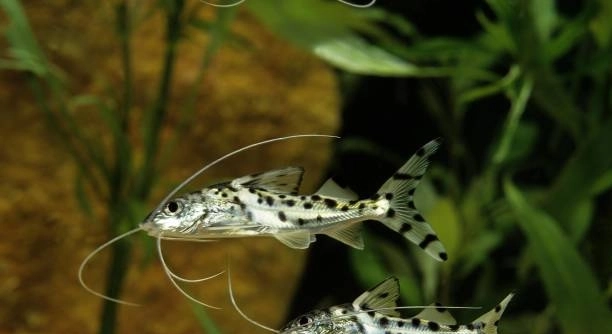
Many aquarium enthusiasts enjoy creating a natural environment for their Pictus catfish. Choosing the right decor can improve both the look of the tank and the well-being of the fish. Natural elements also help mimic their native habitat effectively.
The best natural decor options for Pictus tanks include driftwood, smooth river stones, live plants, and leaf litter. These items provide hiding places, reduce stress, and encourage natural behaviors while maintaining water quality and aesthetic balance in the aquarium.
Exploring these natural decor choices will help you create a healthy, attractive environment suited to your Pictus catfish’s needs. This article outlines practical options for enhancing your tank naturally.
Driftwood: Natural Shelter and Decoration
Driftwood is a popular natural decor choice for Pictus tanks. It provides hiding places that help the fish feel safe and reduce stress. The texture of driftwood mimics river environments where Pictus catfish naturally live. Over time, driftwood can also release beneficial tannins into the water. These tannins slightly lower the pH, creating a more natural habitat. Additionally, driftwood offers surfaces for beneficial bacteria and algae to grow, contributing to a balanced ecosystem. When selecting driftwood, choose pieces that are smooth and free of sharp edges to avoid injuring your fish. Before placing driftwood in the tank, it is important to soak it for several days to remove excess tannins and ensure it sinks properly. Driftwood is both a functional and decorative addition, making it an excellent choice for Pictus tanks.
Using driftwood enhances the tank’s natural look while providing practical benefits to your catfish’s health and comfort.
Driftwood plays a key role in replicating the natural environment of Pictus catfish. The shelter it provides helps reduce aggression and territorial behavior. Fish feel more secure with places to retreat, which supports their overall well-being. It also encourages natural foraging behavior as algae and microorganisms grow on the wood’s surface. The slow release of tannins gently softens the water, which is beneficial for many species, including Pictus. Proper preparation of driftwood prevents water discoloration and maintains water quality. In short, driftwood is a versatile element that improves both the physical and psychological environment in your tank.
Live Plants: Oxygen and Cover
Live plants offer oxygenation and natural cover for Pictus catfish. They create hiding spots and reduce light intensity, which Pictus prefer.
Live aquatic plants not only enhance the aesthetic of your tank but also improve water quality. They absorb nitrates and other waste products, helping to keep the water cleaner for longer periods. Plants like Java fern, Anubias, and Amazon sword thrive in low to moderate light, fitting well with Pictus tank setups. These species have broad leaves that provide excellent shelter, making your catfish feel more secure. Additionally, live plants contribute to a more natural ecosystem by supporting beneficial microorganisms. They require minimal maintenance and are hardy enough to coexist with active fish. Incorporating live plants will encourage natural behaviors and add depth to your tank’s appearance. Their presence reduces stress and promotes the overall health of your fish by improving oxygen levels and offering protective cover.
Including live plants is an effective way to combine beauty with functionality, benefiting both your Pictus catfish and the tank environment.
Smooth River Stones
Smooth river stones create a natural substrate that Pictus catfish enjoy exploring. Their rounded shapes prevent injury and offer a safe surface for the fish to interact with. These stones also add texture and visual interest to the tank without harming delicate fins.
River stones are ideal because they do not alter water chemistry. Unlike some rocks, they are inert and will not affect pH or hardness. Their smooth surfaces reduce the risk of scratches or cuts when your Pictus swim along the bottom. Arranging stones in small clusters can provide natural hiding spots and break up open areas. This variety encourages natural behavior and makes the tank environment more dynamic.
Cleaning river stones is straightforward. Periodic rinsing or soaking removes algae or debris. Their durability means they last a long time and require minimal upkeep. Using smooth river stones complements other natural decorations while maintaining a safe, visually appealing habitat for Pictus catfish.
Leaf Litter
Leaf litter creates a soft, natural floor covering in a Pictus tank. It mimics their natural riverbed environment by offering shelter and reducing light intensity. Leaves like Indian almond or oak are popular choices because they release beneficial tannins and nutrients.
When submerged, leaf litter slowly breaks down and supports beneficial bacteria growth. This process improves water quality and contributes to a balanced ecosystem. The tannins released help lower pH and create a more acidic environment, which many Pictus catfish prefer. Leaves also provide hiding spots for smaller fish and invertebrates, increasing biodiversity in the tank. Over time, decomposing leaves offer a food source for detritivores and microorganisms, enriching the tank’s natural cycle.
Leaf litter requires occasional replacement to prevent excessive buildup of waste. It is an effective way to replicate natural conditions and improve the overall health and comfort of your Pictus catfish.
Peat Moss
Peat moss is sometimes used to naturally soften water in Pictus tanks. It releases tannins slowly, creating a slightly acidic environment. This simulates their native habitat conditions and helps maintain stable water chemistry.
Adding peat moss also supports beneficial bacteria growth. It acts as a natural filter media that improves water clarity while offering subtle color tinting.
Indian Almond Leaves
Indian almond leaves are a popular choice for natural decor in Pictus tanks. They release tannins that help lower pH and reduce harmful bacteria. These leaves provide excellent shelter and promote natural behaviors by creating shaded areas.
Sand Substrate
A soft sand substrate is ideal for Pictus catfish because it prevents injury to their sensitive barbels. Sand mimics the natural riverbeds where these fish thrive. It is easy to clean and supports bottom-dwelling activity.
Coconut Shells
Coconut shells offer durable, natural hiding spots for Pictus catfish. Their hollow shape provides shelter and a place to rest. Coconut shells are easy to clean and resistant to decay, making them a practical addition to natural tank decor.
FAQ
What natural decor is safest for Pictus catfish?
The safest natural decor includes smooth river stones, driftwood, live plants, and soft substrates like sand. These materials do not have sharp edges that could harm the fish. Additionally, items like Indian almond leaves and coconut shells provide safe hiding spots and do not negatively affect water chemistry when properly prepared.
How do I prepare driftwood before adding it to my tank?
Driftwood should be soaked in water for several days or boiled to remove excess tannins and debris. This process also helps the wood become waterlogged so it will sink. Rinsing and scrubbing the driftwood before placing it in the tank removes loose particles and reduces water discoloration.
Can live plants survive with Pictus catfish?
Yes, live plants like Java fern, Anubias, and Amazon sword thrive in Pictus tanks. These plants tolerate low to moderate light and do not require intense care. Their broad leaves provide shelter, while their roots help absorb excess nutrients, improving water quality.
Will natural decor affect my tank’s water chemistry?
Some natural decor, such as driftwood and Indian almond leaves, release tannins that lower pH and soften water, mimicking Pictus’s natural habitat. River stones and sand are inert and do not change water parameters. It is important to monitor water quality regularly to maintain a healthy environment.
How often should leaf litter be replaced?
Leaf litter should be replaced every few weeks or when it starts to break down heavily. As the leaves decompose, they release nutrients and tannins beneficial for the tank but can cause water quality issues if left too long. Removing old leaves helps prevent excess waste buildup.
Is sand better than gravel for Pictus catfish?
Sand is generally preferred because it is softer and less likely to damage the fish’s delicate barbels. Pictus catfish often sift through the substrate while searching for food, so a smooth surface reduces injury risk. Sand also mimics their natural riverbed environment better than gravel.
Can I use coconut shells in my aquarium?
Yes, coconut shells are durable and provide natural hiding places. They are resistant to decay and easy to clean. Before use, thoroughly rinse and soak them to remove any residues. Their hollow shape is perfect for shy Pictus catfish needing shelter.
Do tannins from natural decor stain the water?
Tannins can cause a slight yellow or brown tint in the water, especially during the initial soaking period of driftwood or leaves. This coloration is harmless and may even benefit the fish by replicating their natural conditions. Frequent water changes can reduce tannin levels if desired.
How can I maintain natural decor cleanliness?
Regular maintenance involves rinsing or soaking decor items in tank water or dechlorinated water to remove algae and debris. Avoid using soap or chemicals. Driftwood and stones can be scrubbed gently with a brush. Replacing leaf litter and trimming live plants also helps maintain a clean environment.
Are natural decorations better than artificial ones?
Natural decorations offer benefits like supporting beneficial bacteria, providing more realistic habitats, and sometimes improving water chemistry. Artificial decor may be easier to clean but often lacks the biological advantages natural elements provide. Choosing natural decor supports healthier, less stressful conditions for Pictus catfish.
These answers provide practical guidance for incorporating natural decor that supports the health and behavior of your Pictus catfish. Maintaining balance and cleanliness will ensure your tank stays a safe and comfortable home.
Natural decor plays an important role in creating a healthy environment for Pictus catfish. Choosing elements like driftwood, smooth stones, live plants, and leaf litter helps mimic the fish’s natural habitat. These decorations not only enhance the appearance of the tank but also provide hiding places and reduce stress for the fish. Pictus catfish are more active and comfortable when their surroundings feel familiar and secure. Using natural decor supports their well-being and encourages natural behaviors, such as foraging and exploring.
Maintaining natural decorations requires some care but is usually simple and rewarding. Items like driftwood and river stones need occasional cleaning to remove algae or debris, while live plants should be trimmed and monitored for health. Leaf litter should be replaced as it breaks down to prevent water quality issues. Regular upkeep keeps the tank looking good and ensures the water stays safe for the fish. It is also important to prepare natural materials properly before adding them to the tank, such as soaking driftwood or rinsing stones. This preparation helps avoid sudden changes in water chemistry and prevents harm to your fish.
Overall, natural decor provides benefits beyond decoration. It improves water quality by supporting beneficial bacteria and plants that absorb waste. The tannins released from certain materials help create the slightly acidic and soft water conditions that Pictus catfish prefer. These factors contribute to a more balanced and healthy aquarium ecosystem. By choosing the right natural elements and caring for them properly, you can create a tank that is both beautiful and functional. This environment will support the long-term health and happiness of your Pictus catfish, making your aquarium a more enjoyable space.

Hello,
If you enjoy the content that we create, please consider saying a "Thank You!" by leaving a tip.
Every little bit helps us continue crafting quality advice that supports the health, happiness, and well-being of pets around the world, for pets of all shapes, sizes, and species.
We really appreciate the kindness and support that you show us!