
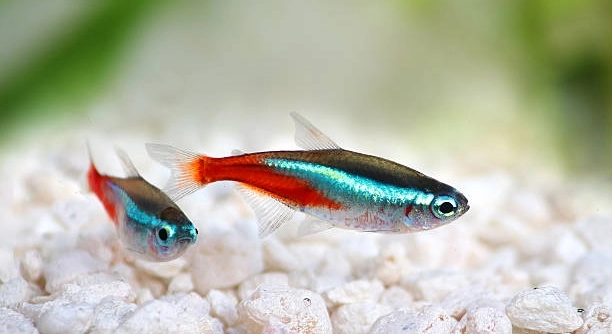
Keeping your Neon Tetra tank peaceful is essential for creating a harmonious environment. A balanced setup ensures the well-being of your fish, reduces stress, and enhances the overall aquarium experience. Here are seven methods to achieve this.
Maintaining a peaceful Neon Tetra tank involves several steps, including appropriate tank size, water conditions, compatible tank mates, and careful management of feeding and decorations. Each factor plays a crucial role in fostering a calm, healthy environment.
Managing tank conditions carefully helps prevent conflicts and supports the health of your Neon Tetras. Understanding these methods will guide you in providing a peaceful space for your fish to thrive.
Choose the Right Tank Size
The size of your tank plays a significant role in maintaining a peaceful environment for your Neon Tetras. A tank that is too small can lead to overcrowding, causing stress and aggressive behavior. Neon Tetras are small fish, but they still need enough space to swim and explore. A 20-gallon tank is often considered the minimum size for a small school of these fish, allowing them to move freely and avoid tension.
In a larger tank, water quality is easier to maintain, and there’s less chance of territorial disputes. You’ll also have more room for plants, decorations, and other features that make the tank appealing. When selecting a tank, think about both the current size of your fish and the possibility of future growth.
For an ideal setup, ensure that the tank has plenty of swimming space while also considering filtration and maintenance. A well-maintained environment will support healthy, calm fish. The extra space will give your fish the freedom they need to feel secure and reduce the likelihood of skirmishes.
Keep the Water Clean
Water quality is essential for a peaceful aquarium. Poor water conditions can stress out your Neon Tetras and lead to behavioral issues. Regular water changes and the right filtration system can ensure that your fish thrive.
Maintaining a consistent temperature, pH, and nitrate levels will help avoid stressing your fish. Water tests are crucial in keeping track of these factors. Healthy water is the foundation of a peaceful environment for your Neon Tetras, making it a must for success.
Choose Compatible Tank Mates
Selecting the right tank mates is crucial for a peaceful Neon Tetra tank. Avoid species that are too aggressive or large, as they can cause stress or even harm the Tetras. Opt for calm, non-predatory fish that share similar water requirements.
Neon Tetras do best in a peaceful community with other small, non-aggressive species. Fish like Corydoras catfish, Guppies, or small Rasboras are suitable companions. These fish won’t compete for space or food and will maintain a calm atmosphere in the tank. Be mindful of their activity level as well. Tetras are generally shy and prefer less boisterous company.
If you’re unsure about tank mates, research each species’ behavior and temperament. Some fish may appear peaceful initially but can become territorial. Avoid mixing Neon Tetras with fish that have a reputation for fin nipping or territorial aggression. Ensuring compatibility will reduce stress and foster a peaceful environment.
Manage Feeding Carefully
Overfeeding your Neon Tetras can create unnecessary tension and cause water quality issues. Ensure you feed them just enough to consume in a few minutes. Leftover food can decay and affect water quality, leading to unhealthy conditions for your fish.
Establishing a feeding schedule helps prevent overfeeding. Offer high-quality, nutritious food tailored to Neon Tetras’ needs. A balanced diet of flakes, pellets, or occasional live food can keep your fish healthy without overburdening the tank. Feeding smaller amounts multiple times a day rather than one large feeding helps avoid excess waste and promotes a stable environment.
By managing feeding habits, you’ll create a stress-free atmosphere in the tank. Ensuring that your fish are neither underfed nor overfed supports both their health and the tranquility of the tank. Proper feeding also contributes to a peaceful tank by preventing aggressive behavior caused by hunger or territorial disputes over food.
Use Plants and Decorations Wisely
Adding plants and decorations to your tank can help create hiding spots for your Neon Tetras. This gives them a sense of security, which can reduce stress and aggression. However, be sure not to overcrowd the tank with too many items.
When adding plants, choose soft plants with no sharp edges that could harm your fish. Natural plants can also help improve water quality by absorbing excess nutrients. Avoid placing decorations that could limit swimming space or create territories that might trigger aggression. Well-placed plants and decorations can enhance the peaceful atmosphere of the tank.
Maintain a Stable Temperature
Neon Tetras thrive in stable water temperatures between 72°F and 78°F. Sudden temperature fluctuations can cause stress, leading to a decrease in overall health and behavior problems. Keep the water temperature consistent with a reliable heater.
Invest in a thermometer to monitor the temperature regularly. Avoid placing the tank in areas with temperature extremes, such as near windows or air conditioners. Stable conditions reduce stress and ensure your Neon Tetras remain calm and healthy.
FAQ
How many Neon Tetras should I keep together?
Neon Tetras are social fish and should be kept in schools of at least 6-8 individuals. Keeping them in small groups can lead to stress and loneliness, as they prefer to swim together in a group. A larger school will help reduce any aggressive behavior and provide a sense of security.
The more Neon Tetras you have, the more confident they will feel. A larger group reduces stress levels and helps create a more peaceful environment. This also allows them to display their natural schooling behavior, which is both calming for them and a beautiful sight for you.
What water conditions do Neon Tetras need?
Neon Tetras thrive in slightly acidic to neutral water with a pH range of 6.0 to 7.0. They also prefer soft water with a hardness level of 1-8 dGH. Maintaining these water conditions is crucial for their health and well-being.
In addition to pH and hardness, it’s important to keep the water temperature stable between 72°F and 78°F. Regular water testing and water changes are essential to maintaining optimal conditions. Keep a close eye on nitrate and ammonia levels, as these can affect the fish’s stress levels and behavior.
Can I mix Neon Tetras with other species?
Yes, Neon Tetras are peaceful fish and can coexist with a variety of other species. Choose calm, small fish that share similar water parameters. Avoid aggressive species or larger fish that might see your Tetras as prey.
Species like Corydoras catfish, Otocinclus, and small Rasboras work well with Neon Tetras. It’s important to research each potential tank mate to ensure they won’t disrupt the peaceful nature of your Tetras. When selecting tank mates, prioritize those that won’t compete for food or space, ensuring everyone lives in harmony.
Do Neon Tetras need a filter?
Yes, a filter is essential for keeping the water clean and healthy. It helps remove waste and excess food, which can lead to poor water quality. A well-maintained filter ensures the water is always in good condition, preventing stress in your Neon Tetras.
Choose a filter with appropriate flow for your tank size. Neon Tetras don’t like strong currents, so a filter that creates a gentle flow is ideal. Regular maintenance of the filter, including cleaning the media and changing the filter cartridges, is necessary to maintain optimal water quality.
How can I reduce aggression in a Neon Tetra tank?
Aggression in a Neon Tetra tank is rare but can occur if the fish feel stressed or threatened. To reduce aggression, ensure your tank is not overcrowded and provide plenty of hiding spaces using plants and decorations. Also, maintain stable water conditions to keep stress levels low.
Avoid keeping Neon Tetras with larger, more aggressive species. Overfeeding can also cause territorial disputes, so feed your Tetras only what they can consume in a few minutes. A well-balanced tank with the right tank mates and plenty of space will keep your Neon Tetras peaceful.
What should I feed my Neon Tetras?
Neon Tetras are omnivores and will eat a variety of foods, including high-quality flakes, pellets, and occasional live or frozen foods like brine shrimp and daphnia. Make sure to feed them a balanced diet to keep them healthy and active.
It’s important to feed your Tetras small portions multiple times a day rather than one large meal. Overfeeding can lead to water quality issues and health problems, so be sure to remove any leftover food after a few minutes. A varied diet ensures they get all the necessary nutrients to stay vibrant and energetic.
How often should I clean my Neon Tetra tank?
Regular maintenance is key to keeping your Neon Tetra tank peaceful. Perform partial water changes of about 25-30% every 1-2 weeks to keep the water quality high. Clean the substrate by gently vacuuming the gravel to remove waste buildup.
In addition to water changes, clean the filter media and check for any signs of algae growth on decorations and plants. Keeping the tank clean helps reduce stress and keeps your Neon Tetras healthy. Don’t forget to monitor water parameters regularly to catch any issues early.
Can Neon Tetras live with snails?
Yes, Neon Tetras can live with snails, provided the snails are not large or aggressive. Snails such as Nerite or Mystery Snails make great tank mates because they help clean up algae and leftover food. They are peaceful and won’t disturb the Tetras.
Ensure the snails aren’t large enough to pose a threat to the Tetras. Some species, like apple snails, can grow too large and might be seen as competitors for food. Overall, snails are a great addition to a peaceful Neon Tetra tank, as long as they are appropriately sized and compatible.
Why are my Neon Tetras not swimming together?
Neon Tetras are schooling fish, but there may be several reasons they aren’t swimming together. Stress, poor water conditions, or the presence of aggressive tank mates can cause them to scatter. Ensuring a stable environment can help restore their natural behavior.
Check the water parameters to ensure they are within the ideal range. If you’ve recently added new fish or made changes to the tank, give them time to adjust. If the problem persists, consider if any environmental factors might be causing stress, such as a noisy area or high light intensity.
Final Thoughts
Maintaining a peaceful Neon Tetra tank requires careful attention to their needs and the overall tank environment. Keeping water conditions stable, providing suitable tank mates, and managing feeding habits are all essential steps in ensuring that your Tetras remain healthy and stress-free. By creating a well-balanced ecosystem with the right temperature, pH, and tank mates, you can support a calm and harmonious atmosphere. Additionally, choosing soft plants and decorations that don’t overcrowd the tank will help give your Tetras plenty of space to swim comfortably.
When it comes to feeding, it’s important to avoid overfeeding, which can lead to poor water quality and stress among your fish. A consistent feeding schedule with high-quality food tailored to the needs of Neon Tetras helps maintain their health and reduces aggression. Ensuring that your fish have enough food to meet their nutritional needs, but not leaving any leftovers, is key in maintaining a peaceful tank. Regular water changes and keeping the tank clean will further prevent the growth of harmful substances that can harm your fish or make them feel stressed.
Finally, regular monitoring of your tank’s environment and the behavior of your Tetras will allow you to address any potential issues before they escalate. Whether it’s adjusting water temperature, adding or removing tank mates, or rearranging decorations, small changes can have a big impact on the overall peace of the tank. With patience and consistent care, your Neon Tetra tank can thrive, providing a tranquil and beautiful aquatic setting for both you and your fish.

Hello,
If you enjoy the content that we create, please consider saying a "Thank You!" by leaving a tip.
Every little bit helps us continue crafting quality advice that supports the health, happiness, and well-being of pets around the world, for pets of all shapes, sizes, and species.
We really appreciate the kindness and support that you show us!