
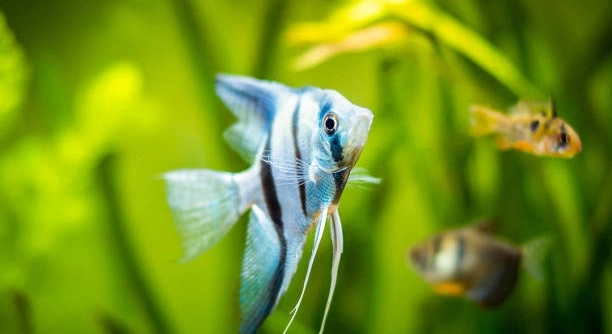
Keeping angelfish tank water clean can be challenging for fish owners. Maintaining a balanced environment ensures your angelfish thrive and their habitat remains healthy. It is essential to understand the best practices for water quality and cleanliness.
Proper filtration, regular water changes, and controlling feeding habits are the most effective methods for keeping angelfish tank water clean. Using a high-quality filter, testing water parameters, and avoiding overfeeding can significantly improve water clarity and overall fish health.
By following these simple techniques, you can keep your angelfish tank clean and healthy for long-term success.
Choosing the Right Filter for Your Angelfish Tank
A good filter is essential for keeping angelfish tank water clean. It helps to remove debris, harmful substances, and waste that can build up in the tank. With a variety of filters available, it’s important to select the right one for your tank size and the needs of your fish. A canister filter or a hang-on-back filter is often ideal for larger tanks, while sponge filters work well in smaller setups.
Choosing the right filter is key to maintaining clean water and a healthy environment for your fish. A filter that matches the size of your tank ensures efficient water circulation and filtration.
Additionally, filters should be cleaned regularly to avoid clogs that could reduce their efficiency. Routine maintenance is necessary to keep your filter working properly and ensure the health of your angelfish. Clean the filter every month to maintain water quality.
Maintaining Proper Water Temperature
Maintaining the right water temperature is crucial for keeping your angelfish healthy and water clean. Angelfish thrive in water temperatures ranging from 75°F to 82°F. Any significant deviation from this range can stress the fish and affect water clarity.
Investing in a reliable aquarium heater is a simple but effective way to maintain a stable environment. Consistency in temperature helps support the biological processes that keep the tank balanced and clean.
To ensure that the heater works properly, regularly check its temperature setting and use an aquarium thermometer to monitor the water. Too hot or too cold water can result in an increase in waste and bacterial growth, which can lead to cloudy, polluted water. By providing your angelfish with stable conditions, you help reduce the risk of dirty tank water.
Regular Water Changes
Water changes are one of the simplest and most effective ways to maintain clean water. Removing a portion of the water and replacing it with fresh water helps reduce waste and keeps the tank environment balanced.
Aim to change 20% to 25% of the tank water every week. This will help eliminate accumulated toxins and prevent the buildup of harmful substances like ammonia and nitrates. Regular changes also keep the water clear, preventing it from becoming murky or cloudy.
Be sure to use water conditioners to treat tap water, as chlorine and other chemicals can harm your fish. Consistent water changes are key to sustaining a healthy and clean tank.
Avoiding Overfeeding
Overfeeding is one of the most common causes of dirty tank water. Angelfish, like other fish, will eat whatever food is available, even if they don’t need it. Uneaten food can quickly decay and pollute the water.
To avoid overfeeding, give only the amount of food your angelfish can consume in about 2 to 3 minutes. If there’s leftover food, remove it promptly to prevent it from sinking to the bottom and causing water quality issues.
Feeding smaller amounts several times a day can also help prevent waste buildup. This feeding schedule reduces excess food and gives your fish the proper nutrition without causing unnecessary pollution in the tank.
Using Live Plants
Live plants can help improve water quality by absorbing excess nutrients and providing oxygen. They create a more natural environment while contributing to overall tank health.
Plants like Java Fern and Anubias are easy to care for and provide shelter for angelfish. They also help reduce algae growth, which can make your tank look unkempt.
In addition, plants help reduce waste buildup by consuming excess nitrates and phosphates, contributing to cleaner water. Be sure to trim dead or decaying plant matter to avoid it polluting the water.
Proper Tank Maintenance
Tank maintenance is vital to keeping water clean and your fish healthy. Regularly clean the substrate, decorations, and equipment to avoid the buildup of waste.
Vacuuming the gravel or sand helps remove debris and prevent it from affecting water quality. Use a siphon to clean the substrate while performing water changes.
A clean tank not only improves water quality but also reduces stress on your fish, allowing them to thrive in a healthy environment.
Monitoring Water Parameters
Regularly testing water parameters is crucial to maintaining clean water. Keep track of ammonia, nitrite, nitrate, and pH levels to ensure they are within the correct ranges for angelfish.
Testing water helps you identify any imbalances early, preventing potential issues with water quality before they become major problems.
FAQ
How often should I clean my angelfish tank?
It’s important to clean your angelfish tank regularly. You should perform a partial water change every week, removing about 20-25% of the water. In addition to this, you should clean the filter and vacuum the substrate at least once a month to prevent debris buildup. Regular cleaning will keep the water clear and maintain a healthy environment for your angelfish.
What type of filter is best for angelfish?
A canister filter or a hang-on-back filter works best for angelfish tanks, as they provide strong filtration while maintaining a stable water flow. Angelfish prefer tanks with slow to moderate water flow, so choose a filter that is appropriate for the size of your tank and doesn’t create too much current.
Can I use a sponge filter in my angelfish tank?
Yes, sponge filters can be a good option, especially for smaller tanks or tanks with young angelfish. They provide gentle filtration without creating strong currents, which angelfish do not prefer. Sponge filters also help with aeration and provide biological filtration, which benefits the overall tank environment.
Why is my angelfish tank water cloudy?
Cloudy water can be caused by several factors, including overfeeding, poor filtration, or an imbalance in the tank’s chemical levels. It’s important to test the water regularly and ensure your filter is working properly. Cloudy water could also be a result of bacterial bloom, which often occurs when there is an excess of organic waste in the tank.
How do I prevent algae in my angelfish tank?
Algae growth can be controlled by limiting light exposure and reducing the amount of nutrients in the water. Consider using live plants, which compete with algae for nutrients. Regular water changes also help maintain a clean tank and prevent algae buildup. If necessary, you can use an algae scraper to remove algae from tank surfaces.
Should I use a heater in my angelfish tank?
Yes, a heater is essential to maintaining the proper water temperature for angelfish. They thrive in water temperatures ranging from 75°F to 82°F. Angelfish are tropical fish, and temperature fluctuations can stress them out and lead to poor health. Ensure the heater is appropriate for your tank size and monitor the temperature regularly.
What is the ideal pH level for angelfish?
The ideal pH range for angelfish is between 6.5 and 7.5. Angelfish prefer slightly acidic to neutral water. Regularly test the water to ensure the pH is within this range. If needed, adjust the pH with aquarium additives or by making slight changes in the water’s mineral content.
How can I tell if my angelfish are stressed?
Stressed angelfish may exhibit behaviors such as hiding, excessive fin flicking, or clamped fins. Stress can be caused by poor water quality, sudden temperature changes, or aggressive tank mates. If your angelfish are stressed, check the water parameters and ensure that their environment is suitable for their needs.
Do angelfish need a lot of space?
Yes, angelfish require adequate space to thrive. A tank of at least 20 gallons is recommended for a small group of angelfish, but larger tanks are preferable. Providing enough space will help prevent aggression and ensure your fish have room to swim and establish territories.
Can I keep angelfish with other fish?
Angelfish are peaceful but territorial, so it’s important to choose tank mates carefully. They can coexist with other peaceful fish, such as tetras or mollies. However, avoid aggressive or fin-nipping species that could harm your angelfish. It’s also important to provide hiding spots and ensure that each fish has its own space.
How do I maintain a balanced nitrogen cycle in my angelfish tank?
To maintain a balanced nitrogen cycle, you need to ensure that beneficial bacteria are present in your tank. These bacteria break down toxic ammonia into less harmful substances. Regular water changes, proper filtration, and avoiding overfeeding will help maintain the cycle. Additionally, be sure to monitor ammonia, nitrite, and nitrate levels with regular testing.
What are the best live plants for an angelfish tank?
Angelfish do well with a variety of live plants that provide hiding spots and help with water quality. Some good choices include Java Fern, Anubias, and Amazon Sword. These plants are easy to care for and grow well in the conditions that angelfish prefer.
Why is my angelfish’s color fading?
Color fading in angelfish can be a sign of stress or poor water quality. It could also be due to poor nutrition, illness, or low temperature. Check the water parameters, feed your angelfish a balanced diet, and ensure the tank temperature is within the appropriate range to help restore their vibrant colors.
How can I get rid of excessive debris in my angelfish tank?
Excess debris can be removed through regular water changes and substrate vacuuming. Use a siphon to clean the substrate while changing the water. A proper filtration system will also help filter out debris, keeping the tank clean. Avoid overfeeding, as uneaten food can contribute to debris buildup.
How often should I test the water in my angelfish tank?
It’s best to test the water once a week to keep track of any changes in water parameters. Testing for ammonia, nitrite, nitrate, and pH will help you maintain a healthy environment for your angelfish. If any levels are off, make adjustments to correct the issue before it affects the fish.
What can I do if my angelfish are not eating?
If your angelfish are not eating, it could be due to stress, illness, or poor water quality. Check the water parameters and ensure they are within the correct range. Offering a variety of food types and ensuring the tank is peaceful can help stimulate their appetite. If the issue persists, consult with an aquarium specialist.
Final Thoughts
Maintaining clean water in an angelfish tank is crucial for the health and well-being of your fish. Angelfish are sensitive to changes in their environment, and poor water quality can lead to stress, illness, and even death. By following a few simple steps, such as performing regular water changes, using the right filter, and keeping an eye on water parameters, you can create a stable and healthy environment for your fish. Live plants, proper tank maintenance, and good filtration are key factors in achieving clean water.
It’s important to keep in mind that water quality doesn’t just affect the appearance of your tank but also the behavior and health of your angelfish. Overfeeding, neglecting water changes, and not checking water parameters regularly can all contribute to water quality issues. To keep your angelfish thriving, make sure to stay consistent with your tank care routine and address any changes in water quality as soon as possible. Angelfish are naturally peaceful and beautiful, but they need the right environment to flourish.
In summary, keeping angelfish tank water clean involves a combination of good practices and regular monitoring. The health of your fish will improve when you provide them with a stable environment, free from harmful waste and toxins. As with any aquarium, patience and attention to detail are essential. The effort you put into maintaining clean water will pay off in healthier, happier angelfish and a visually pleasing tank.

Hello,
If you enjoy the content that we create, please consider saying a "Thank You!" by leaving a tip.
Every little bit helps us continue crafting quality advice that supports the health, happiness, and well-being of pets around the world, for pets of all shapes, sizes, and species.
We really appreciate the kindness and support that you show us!