
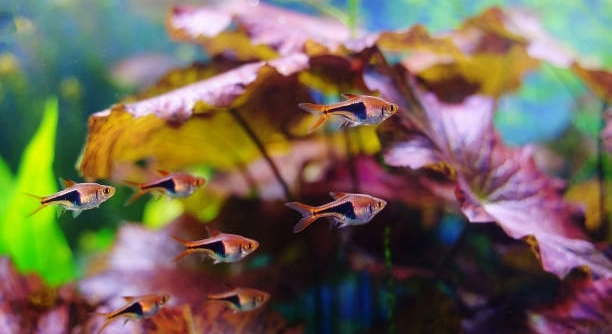
Keeping a Rasbora tank healthy means choosing the right live plants to create a balanced environment. These plants improve water quality and provide shelter, making the tank more natural and comfortable for your fish. Selecting suitable plants can boost your tank’s overall look and function.
The best live plants for Rasbora tanks are those that thrive in similar water conditions, grow well in moderate light, and offer hiding spots. Plants like Java fern, Anubias, and Cryptocoryne support Rasbora health by enhancing oxygen levels and reducing toxins, while being easy to maintain.
Knowing which plants work best with Rasboras can help you build a thriving aquatic habitat. The right choices promote fish wellbeing and add natural beauty to your tank setup.
Java Fern: A Hardy Choice for Rasbora Tanks
Java fern is a popular plant in freshwater aquariums due to its resilience and low maintenance needs. It can grow in low to moderate light and does not require substrate planting, as it attaches well to rocks or driftwood. This makes it ideal for Rasbora tanks where space and natural hiding spots matter. Its broad leaves provide shelter for fish, helping them feel secure and reducing stress. Java fern also helps improve water quality by absorbing excess nutrients that can cause algae growth. Because it grows slowly, it won’t overwhelm your tank, making it a balanced addition. It tolerates a wide range of water conditions, which matches well with the needs of Rasboras. Overall, Java fern offers an easy way to add greenery and structure to your tank without demanding much attention.
Java fern’s adaptability and minimal care requirements make it perfect for both new and experienced aquarists managing Rasbora tanks.
Planting Java fern on driftwood or stones creates a natural environment, enhancing both aesthetics and fish wellbeing by providing cover and helping keep water clean.
Anubias: Tough and Attractive
Anubias is a sturdy plant known for its thick leaves and slow growth. It grows well in low light and can attach to surfaces, which is perfect for Rasbora tanks.
Because of its tough leaves, Anubias resists damage from fish activity. This means Rasboras can swim freely without harming the plant. Its broad leaves offer shade and hiding places, promoting a calm tank atmosphere. The plant thrives in a variety of water conditions, tolerating temperature changes and pH variations common in many tanks. Anubias does not require frequent trimming, reducing maintenance time. It also helps balance the aquarium environment by absorbing nutrients that might otherwise feed algae growth. Adding Anubias to a Rasbora tank creates a natural, secure habitat that benefits both the fish and the tank’s overall health.
With Anubias, your tank gains a low-maintenance, durable plant that supports fish comfort while improving water quality and visual appeal.
Cryptocoryne: Versatile and Low Maintenance
Cryptocoryne plants adapt well to different water conditions and lighting. They have broad leaves that provide excellent cover for Rasboras, helping reduce stress.
These plants grow slowly and are quite hardy, making them ideal for beginners. Cryptocoryne prefers nutrient-rich substrate and moderate lighting, which encourages healthy growth. They come in various leaf shapes and colors, adding visual interest to your tank. The plants create natural hiding spaces, giving Rasboras places to feel secure. However, they may experience some melting or leaf loss when first introduced but usually recover quickly. Their ability to thrive in diverse conditions makes Cryptocoryne a reliable choice for most Rasbora tanks.
Planting Cryptocoryne requires some patience, but their durability and adaptability reward aquarists with a lush, comfortable environment for their fish.
Cryptocoryne also helps maintain water quality by absorbing excess nutrients, which supports a balanced tank ecosystem and reduces algae growth.
Amazon Sword: A Classic Background Plant
Amazon Sword is a popular background plant known for its large, broad leaves. It grows best in moderate to high light and needs a nutrient-rich substrate.
Its tall and sturdy leaves create a natural backdrop, providing plenty of shelter for Rasboras. This plant’s growth supports biological filtration by absorbing nutrients and reducing harmful substances in the water. It requires regular trimming to keep it healthy and prevent overcrowding. Amazon Sword adapts well to different tank conditions, although it thrives best in stable environments with consistent water parameters. Its impressive size makes it a great focal point in larger tanks, balancing the open swimming areas Rasboras need. This plant’s ease of care and robust nature make it a valuable addition to many freshwater setups.
Hornwort: Fast-Growing and Flexible
Hornwort grows quickly and can float or be anchored in the substrate. It helps absorb excess nutrients, reducing algae growth.
Its bushy appearance provides great hiding spots for Rasboras. Hornwort tolerates a wide range of water conditions, making it easy to care for.
Vallisneria: Graceful and Efficient
Vallisneria is a grass-like plant that spreads quickly, forming dense underwater meadows. It thrives in moderate light and adapts well to various water parameters. Vallisneria’s long, ribbon-like leaves offer shelter and create natural swim-through areas for Rasboras, encouraging natural behavior. This plant is useful for oxygenating the tank and absorbing excess nutrients, helping maintain water quality. Vallisneria’s fast growth helps outcompete algae but requires occasional trimming to prevent overgrowth. Its simple care and efficient nutrient uptake make it a practical choice for Rasbora tanks.
Java Moss: Compact and Protective
Java moss is a small, dense plant that attaches easily to surfaces. It offers excellent cover for fry and small fish.
FAQ
What plants are safest for Rasbora tanks?
Safe plants for Rasbora tanks include Java fern, Anubias, Cryptocoryne, Amazon Sword, Hornwort, Vallisneria, and Java moss. These plants thrive in similar water conditions as Rasboras and provide good shelter. They also require low to moderate light and are generally easy to maintain, making them well-suited for community tanks.
How do live plants benefit Rasbora fish?
Live plants improve water quality by absorbing excess nutrients and producing oxygen. They create natural hiding spots, reducing stress and encouraging natural behavior. Plants also help control algae growth by competing for nutrients. Overall, live plants create a more balanced and comfortable environment for Rasboras, promoting their health and longevity.
Can Rasboras damage live plants?
Rasboras are small, peaceful fish and rarely harm live plants. They may nibble occasionally, but this is unlikely to cause serious damage. Plants with tougher leaves like Anubias and Java fern are more resistant to any nibbling. Delicate plants might need extra care, but Rasboras generally coexist well with live plants.
How much light do plants in Rasbora tanks need?
Most plants suitable for Rasbora tanks require low to moderate light. Java fern, Anubias, and Cryptocoryne thrive in low light, while Amazon Sword and Vallisneria prefer moderate light. Providing the right lighting helps plants grow well without encouraging excessive algae growth.
Do live plants make tank maintenance harder?
Live plants can reduce maintenance by improving water quality and controlling algae. However, they do require some care like trimming dead leaves and ensuring proper lighting and nutrients. Overall, they help keep the tank environment stable, which can simplify fish care in the long run.
How do I plant Java fern or Anubias in my tank?
Java fern and Anubias should not be buried in the substrate because their rhizomes can rot. Instead, attach them to rocks or driftwood using thread or aquarium-safe glue. Over time, they will anchor naturally, making a natural and secure spot for your Rasboras to explore.
What substrate works best for planted Rasbora tanks?
A nutrient-rich substrate benefits root-feeding plants like Amazon Sword and Cryptocoryne. For plants like Java fern and Anubias, substrate type is less important since they attach to surfaces. Using a fine gravel or sand base can also make cleaning easier while supporting plant roots.
How often should I trim plants in a Rasbora tank?
Trimming depends on plant species and growth rate. Fast growers like Hornwort and Vallisneria may need trimming every few weeks to prevent overcrowding. Slow growers like Java fern and Anubias need less frequent trimming, mainly to remove dead or damaged leaves.
Can live plants help with algae control in Rasbora tanks?
Yes. Healthy live plants absorb nutrients that algae need to grow. Fast-growing plants such as Hornwort and Vallisneria are especially effective at outcompeting algae. Regular maintenance and proper lighting also support algae control alongside live plants.
Is CO2 injection necessary for Rasbora tank plants?
CO2 injection is not necessary for most plants suitable for Rasbora tanks. Species like Java fern, Anubias, and Cryptocoryne do well without added CO2. However, if you want faster growth or keep demanding plants, CO2 can be beneficial but requires careful monitoring.
How do I prevent plants from decaying in my tank?
Decaying plants often result from poor lighting, insufficient nutrients, or sudden changes in water conditions. Ensure plants receive proper light and nutrients and avoid rapid temperature or pH swings. Removing dead leaves promptly also helps prevent decay and water quality issues.
Are floating plants good for Rasbora tanks?
Floating plants can provide shade and reduce light intensity, which helps sensitive plants and fish. They also absorb nutrients and help control algae. However, too many floating plants may block light for submerged plants, so balance is key.
How long do live plants last in a Rasbora tank?
With proper care, live plants can last for years. Factors such as water quality, lighting, and nutrient availability affect their lifespan. Regular maintenance, including trimming and cleaning, helps plants stay healthy and vibrant over time.
Choosing the right live plants for a Rasbora tank can make a big difference in the overall health and appearance of the aquarium. Plants like Java fern, Anubias, and Cryptocoryne are excellent because they grow well in similar water conditions as Rasboras. These plants offer hiding spots and help reduce stress for the fish. Having plants in the tank also supports better water quality by absorbing excess nutrients and producing oxygen. This natural balance makes the tank a healthier place for Rasboras to live.
Maintenance of live plants in a Rasbora tank is generally straightforward, especially with hardy species. Many of the plants that work well with Rasboras do not need strong lighting or special fertilizers. They grow slowly and need only occasional trimming, which helps keep the tank neat without much extra work. Fast-growing plants like Hornwort and Vallisneria may require more regular care to prevent overcrowding, but overall, live plants reduce algae problems and improve the tank’s ecosystem. For aquarists who want a low-maintenance tank, choosing the right plants is important.
Ultimately, live plants add both beauty and function to a Rasbora tank. They create a natural environment that makes the fish feel safe and comfortable. Beyond aesthetics, plants contribute to a balanced ecosystem by improving water quality and helping control algae growth. Selecting plants that suit your tank’s size, lighting, and water conditions will ensure your Rasboras thrive. With a little attention to care and maintenance, live plants can become a rewarding and lasting part of your aquarium setup.

Hello,
If you enjoy the content that we create, please consider saying a "Thank You!" by leaving a tip.
Every little bit helps us continue crafting quality advice that supports the health, happiness, and well-being of pets around the world, for pets of all shapes, sizes, and species.
We really appreciate the kindness and support that you show us!