
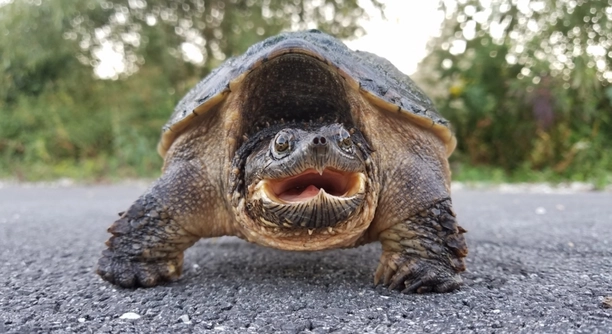
Taking care of a common snapping turtle can be a rewarding experience. Part of their well-being involves creating a suitable tank environment, including choosing the right live plants. These plants not only enhance the habitat but also provide a more natural space for the turtle.
The best live plants for a common snapping turtle tank include those that are hardy, resilient to nibbling, and capable of thriving in water. Plants like Anubias, Java Fern, and Hornwort are popular due to their durability and ease of care.
Live plants can provide a more authentic and enriching environment for your turtle. They can offer hiding spots, improve water quality, and make the tank look vibrant. Keep reading to discover which plants will thrive in your snapping turtle’s home.
Anubias: The Tough Survivor
Anubias is one of the best choices for a snapping turtle tank. Its thick, sturdy leaves resist damage from turtles that enjoy nibbling on plants. Anubias is slow-growing, making it easy to maintain, and it thrives in both low and bright light conditions. Its ability to adapt to various environments makes it a favorite among turtle keepers. You can attach it to rocks or driftwood, or let it grow naturally in the substrate.
Its simple care routine means you don’t have to worry much about it. Just keep the water clean and avoid overcrowding the tank with too many other plants. The strong leaves are perfect for offering hiding spots or resting areas for your turtle. Anubias can live for years when given the proper environment.
When adding Anubias to your turtle tank, ensure that the plant isn’t exposed to strong currents. If the water flow is too intense, the plant may not establish itself properly. However, once settled, it’s a reliable addition that requires minimal attention.
Java Fern: Low Maintenance and Hardy
Java Fern is another great choice for a snapping turtle tank. It’s tough, thrives in low light, and can withstand moderate water conditions.
Java Fern is resilient enough to handle a turtle’s nibbling. It attaches itself to rocks or driftwood and doesn’t require a deep substrate to grow. This makes it easy to care for, even in a busy tank with a snapping turtle. The plant also helps to improve the tank’s water quality, as it absorbs excess nutrients.
What makes Java Fern especially popular is its minimal care requirements. It doesn’t need to be replanted, and it survives in a variety of temperatures and pH levels. Though turtles may nibble on its leaves, it generally bounces back. This plant is perfect for those who want to add greenery to their turtle’s home without too much hassle. If you prefer low-maintenance options, Java Fern is ideal.
Hornwort: Floating Beauty
Hornwort is an excellent choice for a snapping turtle tank. It floats on the water’s surface and doesn’t require a substrate to grow. It’s perfect for turtles who like to swim around and interact with plants. Hornwort also absorbs excess nutrients, helping maintain water quality.
This plant can grow quickly, making it a useful addition to any turtle habitat. It doesn’t have leaves but rather feathery stems that float freely, offering shelter for your turtle. Hornwort can also be trimmed easily, allowing you to control its size. Since it grows fast, it will help filter the water and keep it clean. It doesn’t require much light, so it’s suitable for low-light environments.
The plant’s ability to thrive in both still and moving water adds to its appeal. As long as you monitor the water conditions, Hornwort should do just fine in your turtle tank. This plant offers more than just aesthetics—it helps keep the water healthy, making it a practical choice for your turtle’s environment.
Water Lettuce: Floating and Functional
Water Lettuce is another excellent addition to your snapping turtle tank. It floats freely, with large, rosette-shaped leaves. It provides ample shade and hiding spaces for your turtle. This plant grows quickly, offering great coverage for your tank.
Water Lettuce thrives in warm water and will help remove excess nutrients, improving the overall water quality. Its floating leaves can help reduce algae growth by blocking light. This helps keep the tank environment cleaner. As it grows, it produces small, long roots that dangle below the surface, adding more hiding spots and giving your turtle more options for exploration.
Although Water Lettuce is easy to care for, it can grow quickly. You will need to trim the plant regularly to prevent it from overwhelming the tank. It also requires moderate to bright light to grow properly. Overall, Water Lettuce is a low-maintenance and practical addition to your turtle tank.
Amazon Sword: A Robust Option
Amazon Sword is another great plant for a snapping turtle tank. With large, broad leaves, it adds depth and a natural look to the habitat. It thrives in slightly acidic to neutral water and prefers moderate to high light.
This plant is hardy, making it ideal for tanks with turtles that may nibble on plants. Amazon Sword grows best when given enough space. It can be planted in the substrate, allowing its roots to spread and anchor the plant securely. This ensures it stays in place even when your turtle moves around.
It also helps improve the water quality by absorbing excess nutrients. Though Amazon Sword grows slowly, once established, it is a solid, long-lasting plant option. Just be mindful to trim it occasionally to prevent it from overtaking the space.
Anacharis: A Green Oasis
Anacharis is another popular choice for snapping turtle tanks. This plant grows rapidly and can be planted in the substrate or left to float freely. It’s perfect for adding greenery to your tank without needing too much attention.
This plant also helps filter the water by absorbing nitrates, making it an excellent option for maintaining water quality. Anacharis will thrive in both low and moderate light levels, making it adaptable to different tank conditions. You can trim it to manage its growth, ensuring it doesn’t take over your space.
Vallisneria: A Natural Decor
Vallisneria is a wonderful plant for creating a natural-looking environment in your turtle tank. It’s a tall plant that can grow to several feet, offering hiding spots and adding a lush, green backdrop.
FAQ
What plants are safe for a snapping turtle tank?
Safe plants for a snapping turtle tank are those that are hardy and resilient to nibbling. Examples include Anubias, Java Fern, Hornwort, and Amazon Sword. These plants can withstand some grazing without being destroyed, making them ideal for turtles that love to munch on plants. Always choose plants that thrive in the tank’s conditions, such as water temperature, pH, and light level.
How do I care for live plants in my turtle tank?
Caring for live plants in a turtle tank involves monitoring the water quality and providing adequate light. Most plants need moderate to bright light to grow well, though some, like Anubias and Java Fern, can thrive in low-light conditions. Make sure to maintain clean water by doing regular water changes and monitoring nutrient levels. Some plants, like Amazon Sword and Vallisneria, may need to be rooted in the substrate, while others, like Hornwort and Water Lettuce, can float freely. Keep an eye on the plant growth and trim it when necessary to prevent overcrowding.
Can snapping turtles eat the plants in their tank?
Yes, snapping turtles are known to nibble on plants in their tank. However, they usually prefer live plants like Anacharis and Hornwort over others. Some plants, like Java Fern and Anubias, are more resilient to being eaten because of their tough, leathery leaves. While turtles may graze on plants, they won’t usually consume enough to harm the plants, especially if you provide a variety of foods for them.
How can I prevent my snapping turtle from eating all the plants?
To prevent your snapping turtle from eating all the plants, try planting tougher species like Anubias and Java Fern, which are less appealing to turtles due to their strong, thick leaves. You can also create hiding spots or add decorations to divert your turtle’s attention from the plants. Another method is to provide your turtle with a balanced diet, ensuring it has plenty of other food options, so it’s less likely to overeat the plants.
How do I trim plants in my turtle tank?
Trimming plants in your turtle tank is essential to keep them healthy and prevent them from taking over. For plants like Amazon Sword or Vallisneria, use aquarium scissors to carefully cut away dead or overgrown leaves. When trimming floating plants like Hornwort or Water Lettuce, simply pull out excess growth by hand. Always remove any decaying plant matter to maintain good water quality, as decomposing plants can cause an increase in harmful toxins.
Are live plants necessary in a snapping turtle tank?
While live plants are not strictly necessary, they offer several benefits to your snapping turtle’s tank. Plants help improve water quality by absorbing excess nutrients, reducing algae growth, and providing hiding spaces for your turtle. They also create a more natural and enriching environment. However, if live plants are not an option, you can opt for artificial plants as an alternative, though they don’t provide the same water benefits.
Can I use artificial plants instead of live ones?
Yes, you can use artificial plants in your turtle tank. While they won’t help with water filtration or offer the same aesthetic benefits as live plants, artificial plants can still provide hiding spots and enrichment for your turtle. Just make sure they’re made from safe, non-toxic materials, and that the edges are smooth to avoid harming your turtle.
How do I know if my plants are healthy in my turtle tank?
Healthy plants in your turtle tank should have vibrant, green leaves and show signs of healthy growth. Yellowing or brown leaves may indicate poor water conditions, lack of light, or nutrient deficiencies. Some plants, like Hornwort, may shed older leaves naturally, but if the whole plant starts wilting, it could signal a problem. Regularly check your plants for signs of decay, and remove any dead parts to prevent water quality issues.
Can plants help improve water quality in a turtle tank?
Yes, plants can significantly improve water quality in a turtle tank. They absorb excess nutrients, like nitrates, which are often a byproduct of turtle waste. This helps prevent algae growth and keeps the water cleaner. Certain plants, such as Hornwort and Anacharis, are particularly effective in filtering the water. However, live plants alone won’t replace the need for regular water changes, but they do support overall water quality.
How often should I replace plants in a snapping turtle tank?
Plants should be replaced in a snapping turtle tank if they begin to die off or are consistently being eaten by the turtle. Healthy plants can last for years, but factors like water quality, light levels, and the type of plant can affect their lifespan. Keep an eye on your plants and replace any that are decaying or no longer thriving. If your turtle is eating the plants too quickly, consider adding more robust species or increasing the variety of food you offer.
Do I need to add fertilizer for my plants in a turtle tank?
In most cases, live plants in a turtle tank can get the nutrients they need from the water and substrate. However, if your plants are showing signs of nutrient deficiencies, like yellowing leaves, adding a liquid or substrate fertilizer can help. Be cautious with fertilizers, as excess nutrients can lead to algae blooms, which may degrade water quality. Always monitor your tank’s water conditions to ensure you don’t over-fertilize.
Final Thoughts
Choosing the right plants for your snapping turtle tank is essential for both the health of your turtle and the overall balance of the tank. Live plants can provide hiding spots, improve water quality, and make the tank look more natural. Turtles, especially snapping turtles, may nibble on plants, so it’s important to pick varieties that can withstand some eating. Plants like Anubias, Java Fern, and Amazon Sword are durable choices that can handle a bit of grazing while still thriving in the tank.
Maintaining live plants in your turtle’s tank doesn’t have to be difficult. Some plants, like Hornwort and Anacharis, are low-maintenance and grow quickly. Others, such as Vallisneria, require more space to spread out but are still fairly easy to care for. The key is to find plants that match your tank’s water conditions, such as temperature, pH, and light levels. Keep in mind that trimming your plants regularly is important to prevent overgrowth and maintain a healthy environment. Regular water changes also play a role in plant health, as clean water is essential for the plants to thrive.
Finally, while live plants are beneficial, they are not strictly necessary for a turtle tank. If live plants aren’t working out, you can still use artificial plants to create a similar aesthetic. However, artificial plants won’t offer the same benefits, such as improving water quality or providing extra filtration. Whether you choose live or artificial plants, always ensure that your turtle has enough space to roam and a tank environment that mimics its natural habitat. With the right balance, plants can greatly enhance your snapping turtle’s home.

Hello,
If you enjoy the content that we create, please consider saying a "Thank You!" by leaving a tip.
Every little bit helps us continue crafting quality advice that supports the health, happiness, and well-being of pets around the world, for pets of all shapes, sizes, and species.
We really appreciate the kindness and support that you show us!