
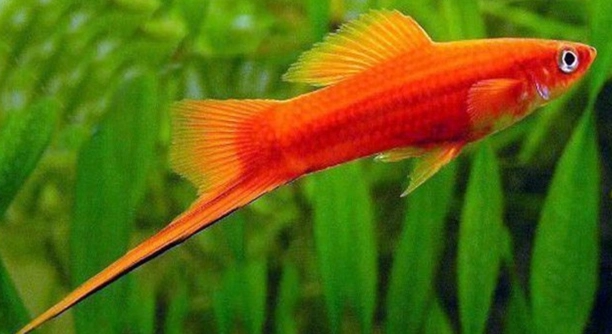
Lighting is essential for creating a comfortable and healthy environment in your swordtail tank. The right lighting not only enhances the beauty of your aquarium but also supports the well-being of your fish and plants.
To achieve optimal lighting for swordtail tanks, it is crucial to balance the intensity, duration, and type of light. Swordtails thrive in well-lit tanks, but excessive light can cause algae growth, stressing the fish. Proper lighting ensures their health and vibrancy.
The tips in this article will help you set up the perfect lighting for your swordtail tank, improving both the aesthetic and environmental quality for your aquatic pets. Let’s explore the best practices to enhance your aquarium’s lighting setup.
1. Understanding Swordtail Lighting Needs
Swordtails need a balanced lighting environment to thrive. They enjoy bright light, but too much can stress them out. A good rule of thumb is to provide around 10 to 12 hours of light each day. This helps to maintain their natural day-night cycle, which is vital for their health and behavior. Additionally, the lighting should not be too intense, as this can promote algae growth in the tank, which will harm both plants and fish.
Maintaining this balance also encourages swordtail breeding behavior, as light plays a role in their reproductive cycle.
To get the best lighting setup for your swordtail tank, you need to pick the right type of light. Fluorescent bulbs are a popular choice because they offer a good balance of brightness without being too harsh. LED lights are another great option because they are energy-efficient and provide a long-lasting solution. When choosing bulbs, make sure they mimic natural sunlight as closely as possible.
2. Consider the Size and Depth of the Tank
The size and depth of your tank directly impact the amount of light required. A shallow tank needs less lighting than a deep one, as the light will penetrate the water more easily. For larger or deeper tanks, more intense or multiple light sources may be necessary.
To achieve even lighting throughout the tank, position the light source above the water and ensure it covers the entire area evenly.
For deeper tanks, you may need to use a more powerful light to reach all areas of the aquarium. Tank depth can also affect plant growth, as certain plants need more light for photosynthesis. To avoid over-lighting, adjust the intensity of your lighting to suit both the fish and plants in your tank. It’s essential to monitor the tank’s condition regularly. This way, you can spot any signs of algae buildup or plants struggling due to insufficient light. A proper setup will keep your swordtails healthy and their environment looking vibrant.
3. Lighting for Tank Plants
Plants in your swordtail tank benefit from the right lighting, just like your fish. Choose lighting that supports plant growth, especially if you have live plants. The best lights promote both plant health and the well-being of your swordtails.
Plants need light to carry out photosynthesis. The right amount of light will help plants grow properly, which in turn improves water quality. Too little light can cause plants to wither, while too much can lead to algae blooms. To find the balance, consider the types of plants you have. Low-light plants can thrive under standard lighting, but high-light plants may need more intensity.
LED or fluorescent lighting works well for plant growth. Opt for lights that mimic natural sunlight, which is essential for plants to thrive. Depending on the tank size and depth, adjust the intensity to suit the needs of both your plants and swordtails. Keep an eye on plant health to make adjustments as needed.
4. Adjusting Lighting Duration
The duration of lighting is just as important as the intensity. Swordtails need a consistent day-night cycle to stay healthy. Overexposure to light can stress them out, so aim for 10-12 hours of light daily.
During the dark hours, turn off the lights completely. The lack of light during these hours helps the fish rest and prevents excessive algae growth. Setting a timer for the lights can help maintain a consistent schedule. This way, you avoid leaving the lights on too long.
If you want to simulate natural light conditions, try using a dimmer or adjustable lighting system. This allows you to change the light intensity based on the time of day. Some swordtail owners prefer gradual changes in lighting throughout the day, replicating a sunrise and sunset effect. This can help reduce stress and promote a more natural environment for your fish.
5. Choosing the Right Light Bulbs
Not all light bulbs are created equal when it comes to swordtail tanks. Fluorescent bulbs are a solid choice for a general setup, while LED lights are energy-efficient and long-lasting.
LED bulbs can provide the brightness needed for both swordtails and plants while using less energy. However, they may come with a higher upfront cost. Fluorescent lights are more affordable and do a great job of replicating natural sunlight, which is vital for fish and plant health. Choose bulbs that fit your tank size and your specific needs.
6. Avoiding Algae Growth
Excessive lighting can lead to algae growth in your tank, which not only looks unattractive but also harms the tank environment. Keep the lighting schedule consistent and avoid leaving lights on too long.
Regularly clean your tank to prevent algae buildup and ensure your swordtails stay healthy. Excessive algae can compete with plants for nutrients and reduce oxygen levels in the tank, which can stress your fish. By adjusting lighting and practicing good tank maintenance, you can keep algae at bay and create a healthier environment for your swordtails.
7. Using Light Timers
Light timers are a simple but effective tool for maintaining a stable day-night cycle in your swordtail tank. Setting up a timer ensures your fish get the proper light duration.
By using a timer, you can ensure that your swordtails experience a regular lighting schedule, reducing stress. This consistency helps them feel secure and promotes healthy behavior. Timers are inexpensive and easy to use, making them an excellent addition to your tank setup.
FAQ
How long should I leave the lights on for my swordtail tank?
Swordtails benefit from a consistent light schedule. It’s recommended to leave the lights on for 10-12 hours each day. This duration mimics natural daylight and helps maintain the fish’s biological rhythm. Avoid leaving the lights on for longer than 12 hours, as this can lead to stress and encourage algae growth. A light timer is a simple way to keep track of the on-and-off times.
What kind of light is best for swordtail tanks?
LED and fluorescent lights are both suitable for swordtail tanks. Fluorescent lights are a good option for general use, providing sufficient light for both fish and plants. LED lights are more energy-efficient and have a longer lifespan, though they may require a higher initial investment. The key is to choose bulbs that mimic natural sunlight, which will help promote healthy growth for both plants and swordtails.
Can I use colored lights in my swordtail tank?
While colored lights can enhance the appearance of your tank, they’re not ideal for swordtails’ overall health. Colored lights may disrupt their natural day-night cycle and stress the fish. It’s best to stick with natural white or full-spectrum lighting, as this provides the appropriate light spectrum for both swordtails and plants.
Should I worry about light intensity for my swordtail tank?
Yes, light intensity plays an important role in maintaining a healthy environment. Swordtails prefer moderate lighting. Too intense light can stress them, while too little light can affect plant growth and water quality. If the lighting is too harsh, it may lead to algae overgrowth, reducing oxygen levels and potentially harming the fish. Adjust the lighting intensity based on your tank size, depth, and plant needs.
Can swordtails live with low light?
Swordtails can survive in lower light conditions, but they will not thrive. In low light, plants won’t grow well, and your swordtails may lack the full benefits of a natural day-night cycle. Aim for moderate lighting to help maintain both the health of your fish and plants.
How can I prevent algae growth in my swordtail tank?
Algae growth often results from excessive lighting, nutrient imbalance, or poor water quality. To prevent algae, avoid leaving the lights on for too long—10-12 hours a day is ideal. You can also reduce the light intensity or use a timer to maintain consistent lighting periods. Additionally, perform regular water changes and ensure proper filtration to keep nutrient levels balanced.
Is LED lighting better than fluorescent lighting for swordtails?
Both LED and fluorescent lighting can work for swordtail tanks, but LED lighting has some advantages. LEDs are more energy-efficient and last longer than fluorescent bulbs. They also emit less heat, which can be beneficial if you’re trying to maintain stable water temperatures. However, fluorescent lights are more affordable and still provide excellent lighting for your tank. The choice comes down to personal preference and budget.
Do swordtails need a specific light color?
Swordtails do best with full-spectrum lighting, which mimics natural sunlight. This type of light supports both fish and plant health. Avoid using only colored lights, as they may disrupt the swordtails’ natural cycles. Full-spectrum lights provide the right balance of wavelengths that support photosynthesis in plants and help maintain your fish’s biological rhythm.
What’s the best way to monitor light intensity in my swordtail tank?
To monitor light intensity, you can observe how your plants and fish react. If plants are struggling to grow, or if algae are flourishing, the lighting may be too intense or not intense enough. Use a light meter to check the intensity of your light, or adjust the distance between the light and the water surface. Many aquarium lights have adjustable settings, allowing you to fine-tune the light output based on the needs of your tank.
Can I use natural sunlight for my swordtail tank?
While natural sunlight can help light your tank, it’s not always the best option for swordtails. Direct sunlight can lead to temperature fluctuations and an overgrowth of algae. If you choose to use natural sunlight, make sure it’s indirect and does not shine directly on the tank for long periods. Supplementing with artificial lighting will help maintain a more controlled environment.
Why does my swordtail tank have algae despite proper lighting?
Algae growth can occur even with proper lighting if the nutrient balance in your tank is off. Excess nutrients, like nitrates and phosphates, can fuel algae growth. Ensure that you’re performing regular water changes, cleaning the tank, and maintaining proper filtration. Overfeeding your fish can also contribute to excess nutrients, so be mindful of how much food you’re giving them.
How do I know if the light is too strong for my swordtails?
If your swordtails are constantly hiding or seem stressed, the light may be too strong. You might also notice unusual behavior, such as fish swimming erratically or avoiding certain areas of the tank. In such cases, reduce the light intensity or adjust the duration of lighting periods. A tank with too much light may also show signs of algae buildup, which can stress both your fish and plants.
Can I use a dimmer to control the light for my swordtails?
Using a dimmer can be a good way to control the light intensity in your swordtail tank. Gradually dimming the lights during the evening to simulate sunset can help reduce stress on your fish. This setup helps mimic a more natural environment and supports the swordtails’ day-night cycle. However, ensure the light intensity is still appropriate for plant growth and overall tank health.
Final Thoughts
Creating the right lighting environment for your swordtail tank is crucial for both the health of your fish and the success of your plants. The balance between the light intensity, duration, and type is essential in making sure everything thrives. Swordtails are relatively hardy fish, but they do best in an environment that mirrors their natural habitat, which includes a consistent light cycle. By choosing the right light source, such as LED or fluorescent bulbs, and using a timer to regulate lighting periods, you can create a stable and comfortable atmosphere for your fish.
It’s also important to understand that light impacts other aspects of your aquarium, such as algae growth and plant health. Too much light can lead to algae blooms, while too little can prevent your plants from growing properly. Regular maintenance, including cleaning the tank and ensuring proper filtration, will also help prevent algae from taking over. Monitoring the health of both your fish and plants is an ongoing task, but it becomes easier once you find the right lighting balance.
By following these tips, you can make sure that your swordtail tank is well-lit and healthy. Keeping an eye on the duration and intensity of light, choosing appropriate bulbs, and maintaining regular tank care will go a long way in creating a peaceful and vibrant aquarium. Remember, every tank is different, so it may take some trial and error to find what works best for your setup. Once you find the right balance, your swordtails and plants will thrive, making for a beautiful and harmonious aquarium.

Hello,
If you enjoy the content that we create, please consider saying a "Thank You!" by leaving a tip.
Every little bit helps us continue crafting quality advice that supports the health, happiness, and well-being of pets around the world, for pets of all shapes, sizes, and species.
We really appreciate the kindness and support that you show us!