
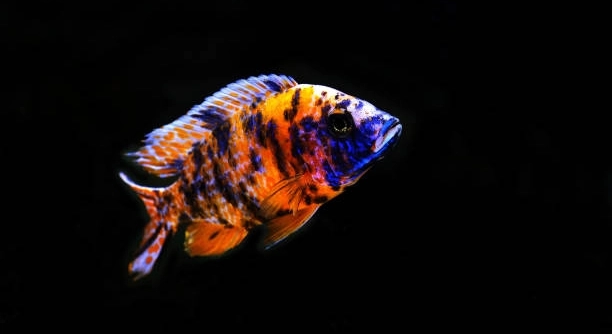
African cichlid tanks need proper lighting to keep the fish healthy and vibrant. Good lighting enhances their colors and supports a natural environment. Many hobbyists overlook how important the right light setup can be for these fish.
Proper lighting for African cichlid tanks involves balancing brightness, color temperature, and duration. The light should mimic natural conditions without stressing the fish or encouraging unwanted algae growth. Careful selection and placement of lighting equipment improve fish behavior and tank aesthetics.
Lighting affects both the fish and the overall tank environment, making it essential to choose wisely. This guide will share practical tips to help you create the best lighting for your cichlid tank.
Choosing the Right Light Spectrum
Lighting color affects how your African cichlids look and behave. A light spectrum that mimics natural daylight helps bring out their vivid colors without causing stress. Most experts recommend using full-spectrum LED lights with a color temperature between 5000K and 7000K. These lights closely resemble the sunlight found in their natural habitat, which helps fish stay active and healthy.
Using the right spectrum also supports the growth of beneficial plants and controls algae growth. Avoid overly blue or red lights, as they can cause discomfort and unnatural coloring. It’s best to test different bulbs and observe how your fish respond before settling on one. Proper spectrum balance keeps the tank environment stable.
A balanced light spectrum helps your cichlids show their true colors and encourages normal behavior. It also maintains a healthy tank by supporting plants and reducing algae issues. Finding the right light spectrum is a key step toward creating a thriving aquarium.
Setting the Proper Light Duration
Light duration affects fish health and algae growth. Most African cichlids do well with 8 to 10 hours of light per day.
Too much light encourages algae, which can harm water quality and fish health. To prevent this, use a timer to keep lighting consistent. Avoid sudden changes, as they can stress the fish. Gradually adjust light times if needed, to mimic natural day and night cycles.
A timer makes managing light duration easy and reliable. Maintaining a regular light schedule helps keep your tank balanced and your cichlids comfortable. Regular monitoring ensures the light cycle remains appropriate as your tank matures.
Avoiding Excessive Brightness
Too much brightness can stress African cichlids, causing them to hide or become aggressive. It also promotes algae growth, which affects water quality. Finding the right balance is important for a healthy tank environment.
To control brightness, use adjustable LED lights or dimmers. Position lights to avoid shining directly on the tank for long periods. Observing fish behavior helps determine if the light is too strong. If fish seem withdrawn or hide frequently, lowering the light intensity can help. Indirect lighting reduces glare and creates a comfortable space for the fish.
Proper brightness not only keeps your fish calm but also helps maintain clear water and prevents excessive algae buildup. Balancing light strength improves the overall look of your tank while supporting the well-being of your African cichlids.
Positioning Your Lights Correctly
Placing lights too close to the water surface can cause overheating and stress for your fish. It’s best to keep the light at a moderate height to spread illumination evenly.
Position lights above the tank’s center for uniform coverage. Avoid harsh shadows or overly bright spots by adjusting the angle and distance. Using multiple light sources can help distribute light evenly across the tank. This prevents dark corners where algae may grow unchecked. Regularly check the placement as your tank setup changes to maintain balance. Correct positioning ensures your cichlids enjoy a stable and comfortable environment.
Using Timers for Consistency
Timers help keep a steady light schedule, which is crucial for African cichlids. Consistent lighting reduces stress and mimics natural day-night cycles.
Automating your lights with a timer means less guesswork. It ensures your fish get the right amount of light daily without you needing to remember.
Choosing LED Lights Over Other Types
LED lights are energy-efficient and produce less heat compared to fluorescent or incandescent bulbs. They offer adjustable brightness and color options, making them ideal for cichlid tanks. LEDs also last longer, reducing replacement frequency and maintenance efforts. This combination helps maintain a stable environment and reduces costs over time.
Avoiding Light Stress
Too much sudden light can shock your fish. Gradually adjusting light levels helps prevent this stress.
FAQ
How bright should the light be for African cichlid tanks?
The light should be bright enough to show the vibrant colors of your cichlids but not so bright that it causes stress. A moderate brightness level, around 20 to 40 lumens per gallon, is usually enough. Too much light can lead to hiding behavior and increase algae growth.
Can I use regular household bulbs for my cichlid tank?
Regular household bulbs are not ideal because they don’t provide the right spectrum or intensity needed. LED aquarium lights designed for fish tanks are better since they offer the right color temperature and brightness without overheating the water.
How long should I keep the lights on each day?
Most experts suggest 8 to 10 hours of light daily. This timing mimics natural daylight cycles and keeps your fish healthy. Using a timer helps maintain this schedule consistently.
What happens if the light stays on too long?
Leaving the light on for too long encourages algae growth, which can harm water quality and make your tank look dirty. It can also stress the fish, causing changes in behavior like hiding or aggression.
Should I turn off the light at night?
Yes, turning off the lights at night is important. African cichlids need a rest period, just like in the wild. Darkness helps regulate their natural rhythms and reduces stress.
Can lighting affect the fish’s color?
Yes, good lighting can enhance the natural colors of African cichlids, making them more vivid and attractive. Poor lighting can dull their colors and hide their natural beauty.
Is it necessary to have plants with my cichlid tank lighting?
Plants are not required but they benefit from proper lighting and help improve water quality. If you choose to have live plants, full-spectrum lights will support their growth while keeping your fish healthy.
How do I prevent algae with lighting?
Control the amount and duration of light to prevent algae. Avoid excessive brightness and keep light periods to around 8-10 hours. Regular cleaning and water changes also help keep algae under control.
What type of light is best for African cichlid tanks?
LED lights are the best choice. They offer adjustable brightness, low heat emission, and a suitable color spectrum. They last longer than fluorescent bulbs and save energy.
Can sudden changes in lighting harm my fish?
Yes, sudden changes can stress African cichlids. It’s better to gradually increase or decrease lighting intensity when adjusting settings to avoid shocking the fish.
How often should I replace aquarium bulbs?
LED bulbs last a long time but should be checked every year. Over time, even LED lights lose brightness and spectrum quality, which can affect fish and plants.
Is colored lighting good for African cichlid tanks?
Colored lighting can look nice but isn’t recommended for daily use. It can alter the natural appearance of the fish and cause stress if too intense or unnatural.
Can I use a mix of different lights?
Yes, combining white LEDs with subtle blue or red LEDs can create a pleasing effect, but it’s important the main light remains full-spectrum to support fish health and natural behavior.
Does lighting affect fish behavior?
Lighting influences activity levels, feeding, and resting patterns. Proper lighting encourages natural behavior, while poor lighting can cause stress or aggression.
How do I know if the light is stressing my fish?
Signs include hiding, reduced movement, loss of appetite, or aggression. If you notice these, try lowering the light intensity or shortening the light duration.
Are there any safety concerns with aquarium lighting?
Always use lighting equipment designed for aquarium use. Ensure the fixtures are waterproof and avoid electrical hazards by keeping plugs and cords dry.
Can lighting help with breeding African cichlids?
Proper lighting helps simulate natural conditions, which can encourage breeding behavior. Keeping a consistent day-night cycle is key for successful breeding.
Is natural sunlight good for my cichlid tank?
Direct sunlight is not recommended as it can cause temperature spikes and uncontrolled algae growth. Artificial lighting offers better control and safety.
What maintenance does aquarium lighting need?
Regularly clean light covers to remove dust and salt buildup. Check bulbs for dimming and replace them as needed to keep lighting consistent and effective.
Lighting plays a very important role in keeping African cichlid tanks healthy and looking their best. It affects how the fish behave, how bright their colors appear, and even the overall balance of the tank environment. Choosing the right type of lighting, such as LED lights with the proper color temperature, can make a big difference. These lights provide enough brightness without causing too much heat or stress for the fish. They also help control algae growth, which is a common issue in aquariums. Making sure your lighting mimics natural daylight will support your fish’s well-being and make your tank a pleasant space to watch.
Setting the correct amount of time for your tank lights to be on is just as important as the type of light you use. African cichlids do best with about 8 to 10 hours of light per day. Using a timer to keep a consistent schedule helps the fish adjust and stay healthy. When the light is on for too long, algae can grow quickly, which can reduce water quality and cause problems for your fish. Too little light, on the other hand, might dull the fish’s colors and affect plant growth if you have live plants. Keeping a balanced light schedule prevents these issues and keeps the tank stable.
Finally, it is important to pay attention to how your fish respond to the lighting. If they seem stressed, hide often, or act differently, the light might be too bright or on for too long. Adjusting the brightness, duration, or placement of the lights can help reduce stress. Proper lighting not only makes your tank look better but also supports the health and happiness of your African cichlids. By choosing the right light setup and managing it carefully, you create a comfortable environment where your fish can thrive.

Hello,
If you enjoy the content that we create, please consider saying a "Thank You!" by leaving a tip.
Every little bit helps us continue crafting quality advice that supports the health, happiness, and well-being of pets around the world, for pets of all shapes, sizes, and species.
We really appreciate the kindness and support that you show us!