
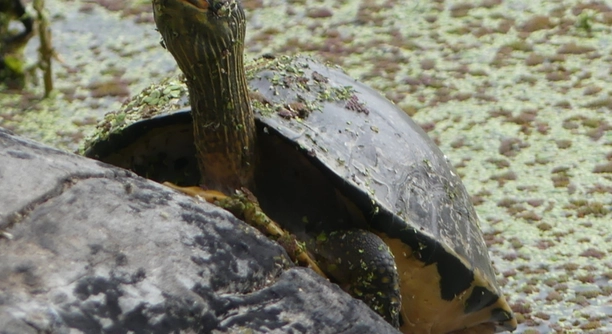
When setting up an enclosure for your Indian roofed tortoise, proper lighting is essential. It not only ensures their well-being but also promotes healthy behaviors, including basking and digestion. Good lighting is key for a happy tortoise.
The best lighting setups for Indian roofed tortoises include a combination of UVB lighting for vitamin D synthesis and basking lights for heat. These elements mimic their natural habitat, allowing the tortoise to regulate its body temperature and stay healthy.
Understanding how light affects your tortoise’s behavior and health will guide you in creating the ideal enclosure. Each lighting setup plays a crucial role in promoting their overall comfort and activity.
Importance of UVB Lighting for Indian Roofed Tortoises
UVB lighting is a key element in the health of your Indian roofed tortoise. Tortoises need UVB rays to help them produce vitamin D3, which is essential for calcium absorption and bone health. Without it, they can develop metabolic bone disease, which can cause serious health issues. UVB lighting should be placed within the enclosure so that your tortoise can bask under it, helping them maintain strong bones and a healthy immune system.
UVB lamps should be replaced regularly, usually every 6-12 months, even if they still produce visible light. The effectiveness of the UVB rays can decrease over time, so it’s essential to ensure your tortoise gets the right amount of exposure.
To provide your tortoise with sufficient UVB exposure, ensure that the light is placed within 12-18 inches of their basking area. This distance varies depending on the type of UVB bulb you are using, so it’s important to follow the manufacturer’s instructions. Additionally, you should place the lamp on a timer to provide a consistent day-night cycle, mimicking their natural environment.
Heat Lamps and Their Role in Basking
Heat lamps are essential for regulating your tortoise’s body temperature. These lamps create a basking area that allows the tortoise to warm up, which aids in digestion and overall activity levels.
A basking area with the right temperature is vital for your tortoise’s health. The temperature should be between 90-95°F (32-35°C) during the day to allow for proper digestion and comfort. Too much heat or too little heat can cause stress, affecting their behavior and health. You should always check the temperature in the enclosure using a thermometer.
Using a Proper Basking Spot
The basking spot should be placed under the heat lamp, providing a warm area for your tortoise to rest. It should be easy for them to find and move in and out of as needed.
Ensure the basking spot has a temperature between 90-95°F (32-35°C) to encourage proper digestion and activity. Avoid placing the basking light too high or too low, as it can lead to inefficient temperature regulation. Adjust the position of the lamp to meet the needs of your tortoise.
If the temperature is too low, your tortoise may feel sluggish and not eat properly. Too high of a temperature can cause overheating, leading to dehydration and stress. Providing a gradual temperature gradient throughout the enclosure ensures your tortoise can move freely between warm and cooler areas.
Lighting Duration and Day/Night Cycle
A consistent day/night cycle is important for your tortoise’s health. They need 10-12 hours of light during the day and 12-14 hours of darkness at night.
The light duration is crucial for your tortoise’s natural rhythms. Too much light can cause stress, while too little can affect their metabolism and behavior. A timer can help keep the lighting consistent and mimic natural sunlight patterns.
Keeping the light and dark periods regular will help your tortoise maintain a healthy routine, promoting feeding, digestion, and overall well-being. Proper lighting can also reduce stress, as your tortoise will feel more secure with a predictable environment.
Avoiding Overheating in the Enclosure
Overheating can lead to dehydration and stress, which can severely impact your tortoise’s health. Monitoring temperature regularly is key to preventing this issue.
To avoid overheating, keep the basking spot at the proper temperature range of 90-95°F (32-35°C) and ensure there are cooler areas in the enclosure. A thermometer will help you track the temperature to prevent sudden fluctuations.
Proper ventilation also plays a role in regulating the overall temperature inside the enclosure. If the environment becomes too warm, your tortoise may become stressed, which can affect its immune system and appetite.
Nighttime Temperature Considerations
At night, your tortoise should have a cooler environment, typically between 70-75°F (21-24°C). It’s important to avoid drastic drops in temperature, which can cause stress or illness.
For some species, night heat lamps are necessary if the temperature in the room drops too much. However, most tortoises can handle cooler nighttime temperatures as long as they’re not too extreme. Maintaining a consistent temperature throughout the day and night ensures a comfortable and stable habitat.
Using Different Light Sources
UVB and heat lamps are essential, but additional light sources may also be necessary depending on the setup of the enclosure.
Using a combination of natural light or low-wattage lamps can help balance the lighting without overloading the tortoise with excessive heat.
FAQ
How long should the UVB light stay on for my tortoise?
UVB lighting should be on for 10-12 hours a day to simulate a natural day and night cycle. It’s important that this light is consistent and provides your tortoise with enough exposure to support their vitamin D3 production. Using a timer will help maintain this routine and avoid forgetting to turn the light on or off. At night, the UVB light should be turned off to provide a dark period for rest.
Can I use regular light bulbs for my tortoise enclosure?
Regular light bulbs are not sufficient for your tortoise. While they may provide some light, they do not emit the necessary UVB rays or heat for your tortoise’s health. You need a proper UVB bulb for vitamin D3 synthesis and a heat lamp to maintain the appropriate basking temperature. These are specifically designed to meet your tortoise’s needs and should be used to ensure they remain healthy and active.
How often should I replace the UVB light bulb?
UVB bulbs lose their effectiveness over time, even if they still produce visible light. It’s best to replace UVB bulbs every 6-12 months, depending on the manufacturer’s recommendations. Over time, the UVB output decreases, and your tortoise may not get the full benefit, leading to potential health issues. If you notice your tortoise not basking as much or exhibiting signs of poor health, it might be time to replace the bulb.
Do tortoises need a basking light at night?
No, tortoises do not need a basking light at night. At night, they should have cooler temperatures, typically around 70-75°F (21-24°C), to mimic natural conditions. The absence of heat during the night helps them rest and regulate their metabolism. Ensure that the night temperature is not too cold, as this can stress your tortoise. If the ambient temperature is too low, you can use a ceramic heat emitter or night heat bulb, but never a basking lamp.
Can my tortoise be in direct sunlight instead of UVB light?
Direct sunlight is an excellent source of natural UVB rays and is beneficial for your tortoise. If you have access to a safe outdoor area, allowing your tortoise to bask in the sun for a few hours a day is a great way to provide natural UVB exposure. However, during indoor setups, UVB lighting is necessary since natural sunlight can be inconsistent, especially in areas with limited sunlight or during winter months.
What’s the ideal temperature for my tortoise’s basking area?
The basking area should be between 90-95°F (32-35°C). This temperature range promotes proper digestion, comfort, and overall health. It’s essential to measure the temperature using a reliable thermometer to ensure accuracy. The temperature in the basking area should not exceed 100°F (38°C), as this can cause overheating and stress. Cooler areas of the enclosure should have temperatures ranging from 75-80°F (24-27°C) to allow your tortoise to regulate its body heat.
Should I use a dimmer for the basking light?
It’s not recommended to use a dimmer for basking lights. The brightness of the basking light should be consistent to maintain the necessary temperature in the basking area. Using a dimmer could lead to unstable temperatures, which may stress your tortoise. If you need to adjust the temperature, it’s better to move the basking light closer or farther from the basking spot rather than altering the light intensity.
How can I ensure my tortoise gets enough light exposure?
To ensure your tortoise gets enough light exposure, use a high-quality UVB bulb and place it over the basking area where your tortoise spends most of its time. Make sure the light is placed 12-18 inches from the basking spot, depending on the bulb’s wattage. If your enclosure is large, consider using multiple light sources to ensure proper coverage. A timer will also help maintain consistent light periods, allowing your tortoise to bask and regulate its circadian rhythm.
Do I need a special bulb for nighttime?
At night, you don’t need a special bulb unless the temperatures in the enclosure drop below the recommended range. If nighttime temperatures fall too low, you can use a ceramic heat emitter, which provides heat without light. This keeps the nighttime cycle undisturbed while still maintaining proper warmth. Never use a regular basking light or UVB light at night, as they can disrupt the tortoise’s natural rest period.
Can I use LED lights in my tortoise’s enclosure?
LED lights can be used for general illumination in your tortoise’s enclosure but should not be relied upon for providing UVB or heat. Regular LED lights do not produce the UVB rays required for your tortoise’s vitamin D3 synthesis, nor do they provide the necessary heat for basking. A dedicated UVB bulb and heat lamp are essential for a healthy tortoise setup.
What are the signs of inadequate lighting for my tortoise?
Inadequate lighting can lead to various health issues, including lethargy, poor appetite, and abnormal shell growth. If your tortoise is not basking under the UVB light, it could be a sign that the light is insufficient or too far away. Lack of proper lighting can lead to metabolic bone disease, causing soft or deformed bones. Keep an eye on your tortoise’s behavior and shell condition, as these are key indicators of their lighting needs.
Can I use a heat pad for my tortoise’s enclosure?
Heat pads are not ideal for tortoises. They can create localized heat spots that may not provide enough warmth for your tortoise to regulate its temperature effectively. Tortoises need a basking area with overhead heat and UVB light for the best results. Heat pads are better suited for reptiles that need belly heat, such as some snakes and lizards, but they do not provide the same benefits for tortoises.
Final Thoughts
Setting up the proper lighting for your Indian roofed tortoise is crucial for their health and well-being. It’s not just about providing light, but creating a balanced environment that mimics their natural habitat. By using UVB lighting, basking lights, and maintaining the right temperatures, you can help your tortoise stay active, healthy, and comfortable. The right lighting setup will encourage natural behaviors, like basking and feeding, and help with essential processes like calcium absorption and digestion.
In addition to lighting, it’s important to stay on top of the maintenance of your lighting system. UVB bulbs lose their effectiveness over time, even if they still emit visible light. Regular replacement of these bulbs is necessary to ensure your tortoise gets the proper UVB exposure. It’s also a good idea to invest in reliable thermometers and timers to keep track of temperature and light cycles. These small investments will make a big difference in keeping your tortoise’s environment stable.
While lighting is a vital part of creating the right environment, remember that other aspects of the enclosure are just as important. The substrate, humidity, and space for your tortoise to move around are all essential components of a healthy habitat. By focusing on each element, from lighting to the overall enclosure setup, you ensure your tortoise can thrive. A well-maintained enclosure not only promotes your tortoise’s health but also enhances its quality of life.

Hello,
If you enjoy the content that we create, please consider saying a "Thank You!" by leaving a tip.
Every little bit helps us continue crafting quality advice that supports the health, happiness, and well-being of pets around the world, for pets of all shapes, sizes, and species.
We really appreciate the kindness and support that you show us!