
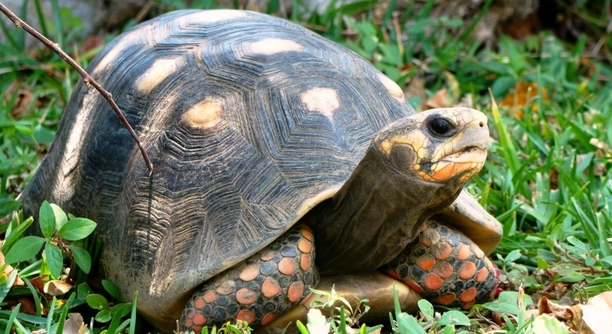
Lighting plays a vital role in creating a healthy environment for your red-footed tortoise. The right lighting setup mimics natural conditions and promotes optimal well-being. Understanding which lighting elements to use can help your pet thrive.
The best lighting setup for a red-footed tortoise includes a combination of UVB light, heat lamps, and a proper light cycle. UVB light helps with calcium absorption, while heat lamps provide warmth. The light should be positioned correctly to avoid overheating.
Choosing the right lighting will ensure your tortoise stays healthy and comfortable. This setup is essential for creating an ideal habitat for your pet’s needs.
The Importance of UVB Lighting for Red-Footed Tortoises
UVB lighting is essential for red-footed tortoises to properly metabolize calcium and maintain healthy bone growth. Without adequate UVB exposure, they may develop metabolic bone disease, a serious condition that can lead to deformities. UVB light mimics natural sunlight, offering your tortoise the necessary rays for vitamin D3 production. This vitamin helps the tortoise absorb calcium from its food. It is important to use a UVB bulb that is specifically designed for reptiles. These bulbs should be replaced regularly, as they lose their UVB output over time, even if they still emit visible light.
When setting up the UVB light, make sure it covers a good portion of the enclosure, and aim for a duration of 10-12 hours of light exposure each day. Placing the light closer to the tortoise’s basking area allows for optimal absorption, but be mindful not to position it too close, as this can lead to overheating.
Creating a proper UVB light cycle is one of the most important steps in setting up a red-footed tortoise’s habitat. Without it, your pet could experience health issues that may take time to correct. Ensuring this lighting is consistent will provide long-term benefits for your tortoise’s health and well-being.
Using Heat Lamps to Regulate Temperature
A heat lamp is necessary to maintain the right temperature in your tortoise’s habitat.
Red-footed tortoises need a basking area with temperatures between 90-95°F, and a cooler area around 75-80°F. Use a heat lamp to create a thermal gradient that allows your pet to regulate its body temperature effectively. The heat lamp should be positioned above the basking area to provide warmth while leaving other parts of the enclosure cooler. Overheating can be just as harmful as underheating, so monitor the temperature closely. Keep a thermometer in both warm and cool zones for accurate readings.
A heat lamp is crucial in keeping your red-footed tortoise comfortable and healthy. Combined with UVB lighting, it helps mimic natural conditions and encourages your pet to follow a healthy routine. Be sure to use a reliable heat source and check the bulb’s temperature regularly to maintain the best environment.
Light Placement in the Enclosure
The placement of lighting in the enclosure affects how your red-footed tortoise absorbs heat and UVB rays.
Position the UVB light about 10-12 inches above the basking spot, ensuring it covers an area where the tortoise can soak up the light comfortably. The heat lamp should be placed slightly higher to create a gradient of temperatures. Having both lights at the correct distance is essential for avoiding direct heat or excessive UV exposure.
Monitor the enclosure’s temperature by using thermometers in both the basking and cooler areas. This ensures that the heat and UVB lights are placed appropriately, promoting a balanced environment for your tortoise’s well-being.
Using Timers for Consistent Lighting
A timer will ensure your lights are on and off at the right times without fail.
Set the timer to run the UVB and heat lamps for 10-12 hours each day to mimic a natural day/night cycle. This consistency promotes proper sleep patterns and prevents your tortoise from being exposed to light for too long.
Timers take away the guesswork, giving you peace of mind and helping maintain your tortoise’s circadian rhythm. Consistent lighting ensures the right balance of rest and activity, supporting your pet’s overall health.
Choosing the Right Bulbs for UVB and Heat
Choosing the right UVB and heat bulbs is essential for creating a proper environment.
UVB bulbs come in different strengths, so ensure you select one that provides adequate UVB radiation for your tortoise. For heat lamps, choose a bulb that generates enough warmth without becoming too intense.
It is important to replace the bulbs regularly, as UVB output weakens over time, even if the light is still visible. Ensure the bulbs are specifically designed for reptiles to provide the right wavelengths and heat.
Adjusting Light Intensity
The light intensity in your tortoise’s habitat should mimic natural conditions.
Red-footed tortoises prefer moderate light intensity. Too much light can lead to overheating or stress, while too little can cause health issues. Adjust the positioning of the lights to maintain a balance between warmth and UVB exposure, which helps support your tortoise’s overall health.
Monitoring Light Duration
Monitoring the duration of light exposure helps maintain a healthy cycle for your tortoise.
Ensure the lights are on for a consistent 10-12 hours during the day, and off at night. Maintaining a natural day/night rhythm allows your tortoise to rest properly and regulate its body temperature.
FAQ
How long should the lights be on for my red-footed tortoise?
The lights should be on for 10-12 hours a day. This mimics a natural day/night cycle. A timer can help ensure consistency in light duration, which is vital for maintaining your tortoise’s circadian rhythm and overall health.
Can I use any UVB light for my red-footed tortoise?
Not all UVB lights are the same. You need to use a UVB bulb designed specifically for reptiles. These bulbs emit the correct wavelengths needed for calcium metabolism and vitamin D3 production. Regular light bulbs won’t provide the necessary UVB exposure.
How close should the UVB light be to my tortoise?
The UVB light should be placed 10-12 inches above the basking area. This distance ensures that your tortoise receives an adequate amount of UVB exposure without causing stress from the light being too close. Make sure to monitor the tortoise to ensure it isn’t overheating.
How can I prevent my red-footed tortoise from getting too hot?
It’s important to create a temperature gradient in the enclosure. Use a heat lamp to provide warmth on one side and leave the other side cooler. This allows your tortoise to regulate its body temperature by moving between different areas based on its needs.
How do I know if the UVB light is working?
UVB lights lose their effectiveness over time, even if they still emit visible light. It’s important to replace UVB bulbs every 6-12 months, depending on the manufacturer’s guidelines. You can also use a UVB meter to measure the intensity, though this may not always be necessary for casual monitoring.
What temperature should the basking spot be?
The basking area should be between 90-95°F (32-35°C). This allows your red-footed tortoise to bask comfortably and absorb UVB rays efficiently. A thermometer can help you maintain the proper temperature in the basking area to prevent overheating or underheating.
Can I use a heat mat for my tortoise?
Heat mats can be used in the enclosure, but they should not be the primary heat source. They can help maintain warmth in the cooler areas of the habitat. However, a heat lamp should be your main source of warmth, especially for the basking area.
How often should I replace the heat lamp bulb?
Heat lamp bulbs should be replaced every 6-12 months, depending on their usage and type. Even if the bulb still works, its heat output may decrease over time, so replacing it regularly ensures your tortoise is receiving the right amount of warmth.
Can my red-footed tortoise be in the dark at night?
Yes, it’s normal for your red-footed tortoise to experience darkness at night. Just like in the wild, it needs to rest and sleep without light. Ensure that the lights are off during the night to simulate a natural environment for your pet.
Is it safe for my tortoise to be exposed to bright light all day?
No, excessive exposure to light can lead to stress or overheating. The UVB and heat lamps should be on for 10-12 hours a day, and the enclosure should include areas where your tortoise can retreat to if it needs to cool off.
Should I use a UVB light with a heat lamp?
Yes, both types of lighting should be used in combination. UVB light helps with calcium absorption, while the heat lamp provides warmth. Together, they mimic natural sunlight and create an ideal environment for your tortoise’s health and well-being.
How do I maintain the proper humidity for my red-footed tortoise?
Maintaining the right humidity is essential for your tortoise’s health. Mist the enclosure regularly to keep humidity levels between 60-80%. A hygrometer can help you monitor the humidity, and you can adjust misting based on the readings to keep the habitat comfortable.
Can I use a ceramic heat emitter instead of a heat lamp?
Yes, a ceramic heat emitter is a good alternative to a heat lamp. It doesn’t produce light, making it ideal for nighttime use, as it can provide warmth without disturbing your tortoise’s rest. Ensure that the temperature remains within the recommended range.
How do I ensure my tortoise gets enough calcium?
A balanced diet is key. Offer calcium-rich foods, such as dark leafy greens and certain fruits. You can also dust their food with a calcium supplement to ensure they are getting enough. UVB light is crucial for calcium absorption from their diet.
Can my red-footed tortoise live in a smaller enclosure if I use a lot of lighting?
While proper lighting is essential, it cannot replace the need for an appropriately sized enclosure. Your tortoise needs enough space to roam, bask, and hide. A small enclosure with the right lighting can still cause stress if it doesn’t meet the tortoise’s space requirements.
What should I do if my tortoise isn’t basking under the heat lamp?
If your tortoise isn’t basking, it could be due to improper temperatures, inadequate UVB light, or stress. Ensure that the basking area is at the correct temperature and that the lighting setup is positioned correctly. Monitor your tortoise’s behavior and adjust the setup if needed.
How can I ensure my red-footed tortoise stays healthy with lighting?
Consistent lighting that includes both UVB and heat sources is key to a healthy tortoise. Regularly monitor the temperatures and light intensity, replace bulbs as needed, and maintain a natural day/night cycle. These steps will help support your tortoise’s calcium metabolism, immune system, and overall well-being.
Final Thoughts
Proper lighting is crucial for the health and well-being of your red-footed tortoise. A suitable lighting setup that provides both UVB and heat is essential to replicate natural conditions. These lighting elements are key for your tortoise to absorb the necessary nutrients from its food, particularly calcium, and to maintain a healthy metabolism. Without the right light exposure, your tortoise could suffer from various health issues, including shell deformities and weakened bones. It’s important to take time to adjust the light levels in your tortoise’s enclosure to ensure they mimic what it would experience in the wild.
It’s not just about having the right type of light, but also about positioning it correctly. The UVB light should be placed at the appropriate distance from your tortoise to ensure it receives enough exposure without causing stress. The heat lamp should be positioned to create a temperature gradient within the enclosure, allowing your tortoise to move between areas that provide both warmth and coolness. This gradient helps your tortoise regulate its body temperature, which is important for digestion and overall health. Monitoring the light intensity, duration, and temperature will go a long way in maintaining a balanced and comfortable environment for your pet.
In addition to proper lighting, you should also be mindful of the overall enclosure setup. The enclosure should provide adequate space for your tortoise to move around and access areas with varying temperatures. Light and heat are important, but they should not be the only factors you consider. Humidity levels, substrate choice, and hiding spots should also be considered to create a well-rounded and healthy environment for your red-footed tortoise. Regular maintenance, such as replacing UVB bulbs and checking temperatures, will help ensure your tortoise thrives in its habitat.

Hello,
If you enjoy the content that we create, please consider saying a "Thank You!" by leaving a tip.
Every little bit helps us continue crafting quality advice that supports the health, happiness, and well-being of pets around the world, for pets of all shapes, sizes, and species.
We really appreciate the kindness and support that you show us!