
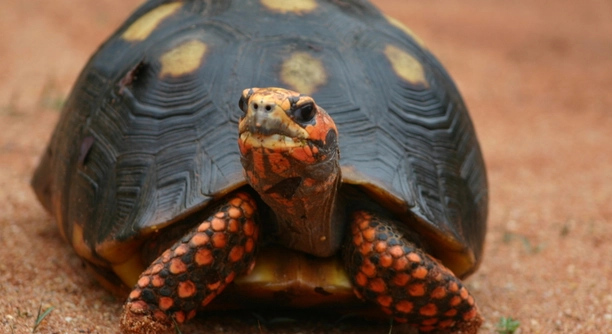
Creating the right lighting for your red-footed tortoise habitat is essential for their health and well-being. Proper lighting mimics their natural environment and promotes their overall growth. Understanding the needs of your tortoise can help you make the best choice.
The best lighting options for a red-footed tortoise habitat include a combination of UVB, basking, and ambient light. UVB lighting helps with calcium absorption, while basking lights provide warmth, and ambient lights offer natural day-night cycles for your tortoise’s comfort.
These lighting choices can have a big impact on your tortoise’s behavior and health. Keep reading to discover the top lighting options to create the perfect environment for your red-footed tortoise.
UVB Lighting: Essential for Your Red-Footed Tortoise
UVB lighting is crucial for your red-footed tortoise’s health. In the wild, they soak up natural sunlight, which helps their bodies produce vitamin D3. Without UVB light, they can suffer from metabolic bone disease, which affects their bones and shells. When setting up your habitat, it’s important to choose a UVB light that mimics the sun’s rays.
A proper UVB light should be placed over the tortoise’s basking area and be replaced regularly. UVB lights lose their effectiveness over time, even if they still emit visible light. To ensure your tortoise receives the necessary amount, replace the bulb every six to twelve months, depending on the manufacturer’s recommendation.
Consider using a fluorescent UVB bulb or a mercury vapor bulb, both of which are great for providing UVB rays. You can also choose from different levels of UVB output, depending on your tortoise’s specific needs. Installing a UVB light will encourage your tortoise to remain active and healthy, just as it would in nature.
Basking Lights: Provide Warmth and Comfort
Basking lights are another vital part of your tortoise’s habitat. These lights help raise the temperature of the basking spot, allowing your tortoise to regulate its body temperature properly.
Basking lights should be placed over a designated basking area. This will give your red-footed tortoise a chance to warm up when it needs to. The ideal temperature for the basking area should be around 90-95°F. Be sure to monitor the heat regularly to avoid overheating or creating cold spots.
These lights should complement your UVB lights to provide a balanced environment. It’s essential to combine the proper UVB and basking lights to create a healthy habitat for your tortoise.
Ambient Lighting: Simulate Day and Night Cycles
Ambient lighting helps set the natural day and night cycle in your tortoise’s habitat. This lighting should be gentle and cover the entire enclosure. It mimics natural light and ensures your tortoise gets a proper rest cycle at night.
The right ambient light allows your tortoise to differentiate between day and night. Consider using a dim, low-wattage bulb that provides soft lighting during nighttime hours. A natural day-night cycle helps reduce stress and keeps your tortoise active during the daytime. Too much artificial light can interfere with their sleep patterns, so balance is key.
To achieve the ideal balance, use a timer to control the light. Set the ambient light to turn off at night and back on in the morning. This routine will mimic the natural environment and improve your red-footed tortoise’s overall health and well-being. A simple ambient light setup can make a big difference.
Heat Mats and Pads: Providing Additional Warmth
Heat mats and pads are useful tools to maintain a comfortable temperature in your tortoise’s habitat. These can be placed under the substrate to provide consistent warmth to the ground.
Heat mats are especially important in colder climates or during the winter months when other heat sources may not be enough. When placing the heat mat, make sure it doesn’t get too hot, as it can cause burns or discomfort. Keep a thermometer in the enclosure to monitor the temperature. Aim for a temperature of around 75-85°F for the cooler areas of the habitat.
Heat mats should be used alongside basking lights, not as a primary heat source. Together, they create a balanced environment that allows your tortoise to thermoregulate properly. These mats also offer an additional warm spot for your tortoise to retreat to if it needs extra heat.
Ceramic Heat Emitters: No Light, Just Heat
Ceramic heat emitters provide consistent warmth without emitting visible light. This is especially useful for maintaining nighttime temperatures without disturbing your tortoise’s sleep cycle. These emitters heat the air and are ideal for creating a warm environment without affecting the light schedule.
Since they do not emit light, ceramic heat emitters can be used at night without disrupting your tortoise’s natural resting patterns. They are a great option for keeping the habitat warm during cooler months. Be sure to use a reliable thermostat to control the temperature and prevent overheating.
Light Placement: Positioning Matters
Proper placement of your lighting is critical to your tortoise’s health. The basking light should be positioned above the basking spot to create a warm area where your tortoise can regulate its body temperature. The UVB light should cover the basking area as well.
Consider placing your UVB light on one side of the habitat so that your tortoise has access to both warm and cooler areas. This will allow your tortoise to move around and choose the optimal temperature for resting and basking. The ambient light should be spread throughout the habitat to mimic the natural light cycle.
Lighting Timers: Automate Your Setup
Timers are essential for managing the light cycles in your tortoise’s habitat. They ensure that lights turn on and off at consistent times, creating a natural day-night cycle. This helps your tortoise maintain its circadian rhythm.
Timers prevent overexposure to light and ensure the habitat mimics the natural environment. Set the UVB and basking lights to turn on during the day and off at night. The ambient light can follow a similar schedule, but it’s essential to adjust the timing based on your tortoise’s needs.
FAQ
What type of UVB light is best for a red-footed tortoise?
For a red-footed tortoise, the best type of UVB light is one that mimics natural sunlight. A fluorescent UVB bulb or a mercury vapor bulb are great options. Fluorescent UVB bulbs should be placed within 12 inches of your tortoise’s basking spot to ensure proper exposure. Mercury vapor bulbs provide both UVB and heat, which can be a more convenient option for some setups. Make sure the UVB light has an appropriate UVB output (generally 5.0 or 10.0) for tortoises, as lower or higher levels can affect their health.
How long should the UVB light be on for a red-footed tortoise?
UVB lights should be on for about 10 to 12 hours a day to replicate the natural daylight cycle. Using a timer is the easiest way to keep track of the light schedule. During the night, it’s important to turn the UVB light off to allow your tortoise to rest. If your tortoise is active at night or during the early morning, it could signal that the light schedule is off. Keep track of how much exposure your tortoise gets to UVB light, as overexposure can also lead to health issues.
How far should the basking light be from the tortoise?
The basking light should be placed around 6 to 12 inches above the basking area, depending on the wattage of the bulb. A higher-wattage bulb may need to be placed farther from the tortoise to avoid overheating. Ensure the basking spot is around 90 to 95°F to provide the proper warmth for your tortoise. Use a thermometer to monitor the temperature and adjust the distance of the light accordingly.
What is the best temperature for a red-footed tortoise habitat?
The ideal temperature for a red-footed tortoise habitat is around 75 to 85°F for the cooler areas and 90 to 95°F for the basking area. The tortoise should be able to move between cooler and warmer areas to regulate its body temperature. At night, the temperature can drop to about 70°F, but never let it go below 65°F. It’s important to use both basking lights and heat mats to maintain these temperatures, especially during colder months or in air-conditioned rooms.
Can I use heat mats for my red-footed tortoise?
Heat mats can be useful, especially in colder climates, to provide additional warmth in the habitat. They are most effective when placed under the substrate to heat the ground. However, they should not be the primary heat source. Always combine heat mats with basking lights to provide your tortoise with both heat and UVB exposure. Make sure the heat mat doesn’t get too hot by using a thermostat to regulate the temperature.
How often should I replace the UVB bulb?
UVB bulbs should be replaced every 6 to 12 months, even if they still emit visible light. UVB output diminishes over time, so it’s essential to replace the bulb to maintain proper lighting conditions. Some UVB bulbs lose their effectiveness before they burn out, so regular replacement is key to ensuring your tortoise receives the proper UVB exposure for calcium absorption and overall health.
Can I use a regular household light bulb for my tortoise’s habitat?
No, regular household light bulbs do not provide the necessary UVB rays or the right heat levels for your red-footed tortoise. You need specialized basking bulbs and UVB bulbs that are designed for reptile habitats. Household light bulbs only emit visible light and do not offer the UVB spectrum that is vital for your tortoise’s health. Be sure to use proper reptile lighting to avoid potential health problems.
What should the humidity level be in my red-footed tortoise habitat?
Red-footed tortoises thrive in a habitat with a humidity level between 60% and 80%. Humidity is important for maintaining healthy skin, shell condition, and breathing. You can regulate humidity by misting the enclosure or using a humidity gauge to monitor levels. Ensure there is a good balance, as too high or low humidity can lead to respiratory problems or dehydration.
Do I need to provide a nighttime heat source for my tortoise?
Nighttime heat is important to maintain consistent temperatures. However, red-footed tortoises do not need a basking light at night. Instead, you can use a ceramic heat emitter or a low-wattage night heat bulb that doesn’t emit visible light. This will ensure your tortoise has a stable temperature throughout the night without disturbing its sleep cycle. Always make sure the nighttime temperature doesn’t drop too low.
How do I set up a proper basking area for my tortoise?
A proper basking area should be warm, dry, and spacious enough for your red-footed tortoise to stretch out. The temperature should be around 90 to 95°F, which can be achieved by placing a basking light over the area. Include a flat surface, such as a rock or a piece of wood, for your tortoise to climb on and bask. Make sure there are also cooler areas within the enclosure where your tortoise can retreat if it gets too warm.
Are there any special lighting needs for red-footed tortoises during winter?
In the winter, red-footed tortoises may require additional lighting to maintain proper heat and UVB exposure. The days are shorter, so you may need to extend the amount of time the lights are on to ensure your tortoise gets enough UVB. Be mindful of temperature fluctuations and use a ceramic heat emitter or additional heat mats to maintain warmth, especially if your home gets cold. Make sure the light schedule follows the natural day-night cycle, even in winter.
Final Thoughts
Providing the right lighting for your red-footed tortoise is essential for its health and well-being. The right combination of UVB, basking, and ambient lights creates an environment that mimics its natural habitat, helping the tortoise thrive. UVB lighting is especially important as it helps with calcium absorption and prevents metabolic bone disease. Without adequate UVB, your tortoise may suffer from weak bones and poor shell health. Along with UVB, basking lights help regulate your tortoise’s body temperature, ensuring it stays active and healthy. The ambient light helps to establish a proper day-night cycle, allowing your tortoise to rest when needed and remain active during the day.
It’s important to monitor the light placement, temperature, and the duration of exposure to ensure that your tortoise gets the correct amount of light. A timer is a helpful tool to automate your lighting schedule and ensure consistency. Keep in mind that lighting requirements may vary depending on the time of year, especially in colder months when additional heat sources might be necessary. Additionally, be sure to replace UVB bulbs regularly, as their effectiveness diminishes over time. Taking these steps will create a more natural and comfortable environment for your tortoise, promoting its overall health.
Setting up the proper lighting is just one aspect of caring for a red-footed tortoise. Along with the right lighting, be sure to provide a suitable habitat with appropriate humidity, diet, and substrate. All of these factors work together to create the best living conditions for your tortoise. By focusing on these details and understanding the tortoise’s natural needs, you’ll ensure that it leads a healthy, happy life.

Hello,
If you enjoy the content that we create, please consider saying a "Thank You!" by leaving a tip.
Every little bit helps us continue crafting quality advice that supports the health, happiness, and well-being of pets around the world, for pets of all shapes, sizes, and species.
We really appreciate the kindness and support that you show us!