
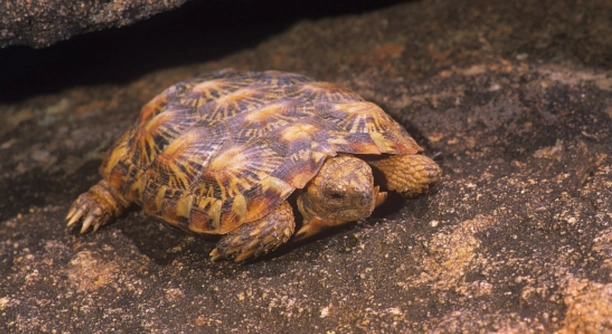
Tortoises thrive on a varied diet, and leafy greens are a key part of their nutrition. Choosing the right greens ensures they stay healthy and strong, supporting their digestion and overall well-being.
The best leafy greens for tortoises are nutrient-rich, easy to digest, and safe for them to eat. Offering a variety of these greens can provide essential vitamins and minerals, keeping your tortoise happy and healthy.
With so many options available, finding the ideal greens can seem tricky. However, knowing which ones are best suited to your tortoise’s needs will make the process much easier.
1. Romaine Lettuce: A Favorite for Tortoises
Romaine lettuce is one of the best leafy greens to feed your tortoise. It’s full of fiber, making it easy for them to digest, and contains essential vitamins like A and C. Romaine is low in oxalates, which makes it a safe choice for most tortoises. It’s also hydrating, which is important for their health. Offering this green regularly can help keep your tortoise’s system in balance. It is often more appealing to tortoises because of its crunchy texture, which they enjoy chewing on.
Romaine lettuce should be a staple in your tortoise’s diet. However, too much of it can lead to an imbalance, so it’s best mixed with other greens.
It’s easy to find, affordable, and usually safe for most species of tortoises. As with any leafy green, always wash it well to remove any pesticides or chemicals before offering it to your pet. The key to keeping them healthy is variety, so consider mixing romaine with other nutritious greens to ensure they’re getting everything they need.
2. Collard Greens: Nutrient-Rich and Beneficial
Collard greens are a great addition to your tortoise’s diet. They are packed with vitamins like A, C, and K, essential for growth and overall health. Collards are also rich in calcium, which helps maintain healthy bones and shells. This green is known for its high fiber content, which aids in digestion.
Though beneficial, collard greens should be fed in moderation. They have a higher calcium-to-phosphorus ratio, which is good for your tortoise but can cause issues if overfed. Be sure to balance it with other greens that don’t have as much calcium.
Many tortoises find collard greens very appetizing, which is why they’re often a favorite. These greens also last longer in the fridge, so you can buy them in bulk and feed them throughout the week. Just like other greens, make sure to wash them thoroughly and remove any tough stems. The nutrients they provide support your tortoise’s growth, making them a worthwhile choice.
3. Mustard Greens: A Flavorful Option
Mustard greens are a great source of vitamins A, C, and K. Their slightly spicy taste is something some tortoises love, adding variety to their diet. High in fiber, they aid digestion, keeping your pet healthy. However, they also contain calcium, so moderation is key to avoid potential health issues.
Mustard greens are often well-received by tortoises due to their bold flavor. They can add some excitement to mealtime, but they shouldn’t be the sole green in your pet’s diet. Mixing them with milder greens like romaine or collards helps balance their nutritional profile.
Although mustard greens are beneficial, they also contain oxalates, which can cause problems if fed in excess. If you’re unsure about how much to offer, it’s always safer to stick with a variety of greens. Just remember, moderation is the key to maintaining a balanced diet for your tortoise.
4. Dandelion Greens: Full of Goodness
Dandelion greens are not only safe but also very nutritious for tortoises. They are packed with vitamins A, C, and K, and also high in fiber. These greens have a high calcium-to-phosphorus ratio, which helps support shell and bone health. They are easy to find and cost little to nothing.
The greens can be fed fresh, and most tortoises will enjoy the slightly bitter taste. Dandelion leaves are rich in antioxidants, which help keep your pet’s immune system strong. Be sure to offer both the leaves and the flowers, as they are just as beneficial.
If you’re picking dandelions from outside, make sure they haven’t been treated with pesticides or chemicals. Always wash them thoroughly before serving. Dandelions are a great option for regular feedings, but as with all greens, be sure to rotate them with other types to avoid overfeeding any one variety.
5. Kale: A Nutritious Green
Kale is rich in vitamins A, C, and K, making it a solid choice for tortoises. It also provides plenty of fiber to help with digestion. However, it contains oxalates, so it’s important not to overfeed it to avoid potential kidney problems.
Kale should be given in moderation and as part of a balanced diet. The high calcium content supports strong bones and a healthy shell, but too much calcium can cause issues. Mix kale with other greens to keep the diet varied and safe for your tortoise. Washing the leaves thoroughly is important before feeding.
6. Swiss Chard: A Versatile Option
Swiss chard is another great leafy green that offers a range of nutrients. It contains high levels of vitamins A, C, and K, along with magnesium and potassium, which help with muscle and bone health. It also provides antioxidants to support the immune system.
While nutritious, Swiss chard contains oxalates, so it should be offered in moderation. These greens are best served as part of a varied diet, combined with other leafy greens that have lower oxalate levels. Many tortoises find the texture and flavor of Swiss chard appealing, making it an easy addition to their meals.
7. Endive: A Mild and Safe Green
Endive is a mild, safe leafy green for tortoises. It’s low in oxalates and packed with essential nutrients like fiber, calcium, and vitamins A and C. Endive’s soft texture is gentle on your tortoise’s digestive system, making it a great choice for daily feedings.
FAQ
What leafy greens should I avoid feeding my tortoise?
While many leafy greens are great for tortoises, there are some you should avoid. Iceberg lettuce, for example, has very little nutritional value and can cause diarrhea. Spinach is another green to limit because it contains high levels of oxalates, which can bind to calcium and reduce its absorption. Avoid feeding your tortoise high-oxalate greens like beet greens and swiss chard in excess, as they can contribute to kidney stones over time. Additionally, avoid any greens that have been treated with pesticides or chemicals.
Can tortoises eat fruits?
Fruits should be offered sparingly to tortoises. While they are not toxic, most fruits are high in sugar and can cause digestive issues when fed too frequently. Stick to fruits like apples, strawberries, and melon, but only as an occasional treat. Avoid feeding citrus fruits, as they can upset your tortoise’s digestive system. A diet high in fruits can also lead to obesity and other health problems.
How often should I feed my tortoise leafy greens?
Leafy greens should be offered to your tortoise daily, as they make up the bulk of their diet. You can mix different types of greens to ensure your tortoise is getting a wide range of nutrients. Make sure the greens are fresh and washed well to remove any dirt or pesticides. The amount you feed depends on your tortoise’s size and species, but a general rule is to provide a portion the size of their shell or a little less. Remember, variety is key.
Can tortoises eat flowers?
Yes, many tortoises enjoy eating flowers, and some types can be quite beneficial. Flowers like dandelions, hibiscus, and marigolds are safe and nutritious for tortoises. They provide added vitamins and minerals, and their color can be a fun, healthy addition to your pet’s diet. Make sure the flowers are pesticide-free and avoid flowers that are toxic to reptiles, such as lilies or daffodils.
How can I tell if a leafy green is safe for my tortoise?
To ensure a leafy green is safe for your tortoise, you should do some basic research. Avoid any greens that are too high in oxalates, which can hinder calcium absorption and cause kidney problems over time. Also, check for any greens that may contain harmful chemicals. If you’re unsure, stick to tried-and-true greens like romaine, collard greens, and dandelion leaves. When feeding new greens, introduce them gradually to monitor how your tortoise reacts. Always wash greens thoroughly to remove any harmful pesticides or dirt.
Should I feed my tortoise anything other than leafy greens?
Yes, leafy greens are the main part of a tortoise’s diet, but they also need other vegetables to stay healthy. You can feed your tortoise vegetables like bell peppers, zucchini, and carrots. These provide extra vitamins and minerals that leafy greens alone may not offer. It’s important to include a variety of foods to ensure your tortoise’s diet is balanced. However, fruits should be limited, and the main focus should remain on greens and vegetables.
How do I store leafy greens for my tortoise?
To keep leafy greens fresh, store them in the refrigerator. It’s best to use a perforated plastic bag or container to allow airflow, which helps prevent wilting. Wash the greens well before storing them and make sure they are dry to avoid mold. If you buy greens in bulk, you can store them in the fridge for up to a week. Avoid keeping them in the same compartment as fruits or anything that can release ethylene gas, as this can cause the greens to spoil more quickly.
Is it okay to feed my tortoise the same greens every day?
Feeding your tortoise the same greens daily isn’t harmful, but it’s best to rotate different types of greens to provide a range of nutrients. Different leafy greens offer different vitamins, minerals, and fiber content, so mixing them ensures that your tortoise gets a well-rounded diet. Regularly changing up the greens helps prevent any nutrient imbalances and keeps mealtime interesting for your tortoise. It also reduces the risk of developing a preference for one particular green.
Can I feed my tortoise wild plants?
Wild plants can be a great addition to your tortoise’s diet, but you must be careful when foraging. Only feed plants that are known to be safe for tortoises and avoid any plants that may be toxic to them. Common safe wild plants include dandelions, clover, and plantain. Be sure to avoid plants that are near roadsides, as they could be contaminated with chemicals or pesticides. If you’re uncertain about a particular plant, it’s best to avoid it and stick to store-bought greens that you know are safe.
Final Thoughts
Feeding your tortoise the right greens is essential for their health and well-being. A variety of leafy greens, such as romaine lettuce, collard greens, and dandelion leaves, can provide the necessary nutrients for your pet. These greens are rich in fiber, vitamins, and minerals that help maintain a healthy digestive system, strong bones, and a well-functioning immune system. Rotating between different greens is a good way to ensure that your tortoise gets a balanced diet, as each type of green offers slightly different nutrients.
While leafy greens should make up the majority of your tortoise’s diet, it’s important to remember that variety is key. Including other vegetables like bell peppers, zucchini, and carrots can complement their diet and provide additional vitamins. Fruits can also be offered occasionally, but should be kept in moderation to prevent issues such as obesity or digestive upset. Keep in mind that some greens, like spinach or kale, should only be fed in moderation because they contain oxalates, which can interfere with calcium absorption over time.
Lastly, always ensure that the greens you offer are fresh and free from chemicals. Wash all vegetables thoroughly before feeding them to your tortoise to remove any pesticides or dirt. When buying greens from the store, it’s a good idea to choose organic options to minimize the risk of chemicals. By providing a well-rounded, varied diet, you can help your tortoise live a long, healthy life.

Hello,
If you enjoy the content that we create, please consider saying a "Thank You!" by leaving a tip.
Every little bit helps us continue crafting quality advice that supports the health, happiness, and well-being of pets around the world, for pets of all shapes, sizes, and species.
We really appreciate the kindness and support that you show us!