
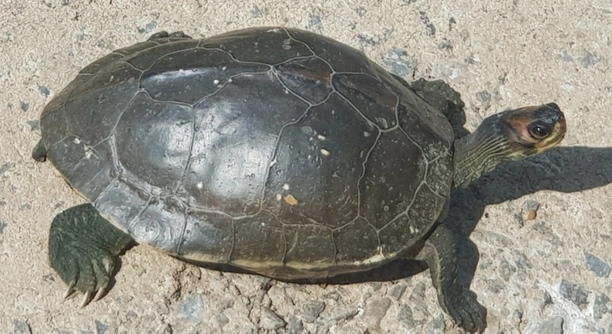
Indian Roofed Tortoises, with their unique needs, require a balanced and nutritious diet. Homemade treats can be a great addition to their regular meals, ensuring they enjoy a variety of flavors and textures.
The best homemade treats for Indian Roofed Tortoises focus on providing essential nutrients like fiber, vitamins, and minerals. Offering these treats occasionally enhances their diet, supporting their overall health while catering to their natural preferences.
Homemade treats can bring out the best in your tortoise’s diet while adding fun and variety to their meals.
Nutritional Benefits of Homemade Treats for Indian Roofed Tortoises
Homemade treats are an excellent way to enrich the diet of an Indian Roofed Tortoise. These treats provide a variety of nutrients that can enhance their health. Many store-bought options are filled with preservatives, but homemade treats allow you to control the ingredients. The tortoises’ diet requires high fiber and vitamins, which can be found in natural, fresh ingredients. Treats made with vegetables like carrots, squash, and leafy greens offer these essential nutrients. Offering treats that are not only delicious but also nutritious ensures your tortoise gets what it needs for healthy growth and development.
It’s important to remember that treats should be given in moderation. Overfeeding can cause an imbalance in their diet, so these treats should only be an occasional addition to their regular food. Keeping portions small and balanced ensures your tortoise stays healthy without exceeding their necessary calorie intake.
Homemade treats made with natural ingredients help prevent the risk of overfeeding or harmful additives, common in commercial pet snacks. Preparing these treats allows you to be confident that your tortoise is getting the best possible nutrition. You also have the flexibility to adjust ingredients based on your tortoise’s individual needs, ensuring a tailored approach to their diet. Treats like mashed pumpkin, finely chopped leafy greens, and grated carrots will not only keep them happy but also offer the health benefits they need.
Easy-to-Prepare Recipes for Tortoise Treats
Simple recipes make it easy to offer healthy treats. These treats don’t require a lot of time or ingredients.
One of the easiest treats to prepare is mashed pumpkin mixed with finely chopped greens. Pumpkin is rich in vitamin A, while greens provide fiber. A simple mixture of both creates a perfect snack. Adding in other healthy vegetables can also diversify their diet.
Using Fruits for Tortoise Treats
Fruits are a great addition to your tortoise’s diet when given in moderation. They offer natural sweetness and essential vitamins. Some fruits, such as papaya, strawberries, and melons, are rich in antioxidants and fiber. These can be prepared in small, bite-sized pieces, making them easy for your tortoise to enjoy.
While fruits are healthy, it’s essential to limit the quantity. Too much sugar can disrupt their digestive system, leading to weight gain or imbalance. You should aim to provide fruit as an occasional treat rather than a staple in their diet. For a balanced approach, mix fruits with leafy greens to prevent overfeeding.
Fruits such as apples and pears provide a good source of hydration, while others like mango offer vitamin A and potassium. Be mindful of the types of fruit you provide; avoid citrus fruits like oranges, as they may upset your tortoise’s stomach. You can also use small amounts of fruit as a topping over leafy greens or other vegetables to make the meal more exciting.
Vegetables as Tortoise Treats
Vegetables are vital for a balanced diet. Many tortoises enjoy leafy greens like dandelion leaves, collard greens, and turnip greens. These vegetables are high in fiber, helping with digestion. Additionally, they are rich in calcium, which supports strong shells and bones.
Mixing vegetables with other nutritious ingredients like herbs and flowers can enhance the flavor. You can also create small veggie medleys, adding variety to your tortoise’s diet. Combining leafy greens with colorful vegetables like bell peppers and zucchini helps ensure they get a full range of nutrients. Some tortoises enjoy carrots, which provide vitamin A, and squashes, which are high in vitamin C.
When preparing vegetables, make sure they are chopped into manageable pieces to avoid choking hazards. It’s also a good idea to rotate different vegetables to keep meals interesting. By including a variety of veggies, you can help prevent any nutritional deficiencies and encourage your tortoise to eat more.
Herbs and Flowers for Tortoise Treats
Herbs and flowers can be a great addition to your tortoise’s diet. They offer extra vitamins and minerals. Common options include dandelion leaves, clover, and hibiscus flowers. These can be picked fresh from your garden, ensuring they are pesticide-free.
Herbs and flowers not only provide nutrition but also add variety to your tortoise’s meals. They are often enjoyed for their unique flavors and textures. Be sure to avoid any toxic plants, as some flowers and herbs may not be safe for your tortoise to consume.
Making Homemade Tortoise Treats Last Longer
To store homemade tortoise treats, it’s best to keep them in an airtight container. Refrigerating or freezing them can help preserve freshness. If freezing, ensure the treats are individually wrapped or placed in portions to avoid freezer burn.
Storing treats properly prevents them from spoiling too quickly. When you freeze or refrigerate, you can prepare a large batch in advance. This saves time while providing your tortoise with a variety of treats. Just ensure to thaw frozen treats completely before offering them to your pet.
Foods to Avoid in Tortoise Treats
Certain foods should never be given to your tortoise. These include foods high in oxalates, such as spinach, as they can interfere with calcium absorption. Additionally, avoid iceberg lettuce, as it has little nutritional value and can cause digestive upset.
FAQ
How often should I give homemade treats to my tortoise?
Homemade treats should be offered occasionally, not as a daily staple. Treats should make up only a small portion of their diet. A good rule of thumb is to offer treats once or twice a week, depending on the size of the portion and the nutritional balance of their regular diet. This prevents overfeeding and ensures your tortoise continues to receive the necessary nutrients from its main meals.
Can I use store-bought ingredients to make tortoise treats?
Yes, store-bought ingredients can be used as long as they are fresh and free from preservatives or artificial additives. Look for organic vegetables, fruits, and herbs, as these are safer for your tortoise. Ensure that the ingredients you buy are safe and suitable for your tortoise species. Always wash any produce thoroughly before using it.
What fruits are safe for my tortoise?
Safe fruits for tortoises include papaya, strawberries, mango, pears, apples, and melons. These fruits are rich in vitamins and provide natural sugars. However, they should be given in moderation due to their high sugar content. Avoid fruits like grapes and citrus fruits, as they can cause digestive issues.
Can I give my tortoise nuts or seeds as treats?
Nuts and seeds should generally be avoided. They are high in fat and can cause digestive problems or lead to weight gain if given in large quantities. While small amounts of seeds from safe plants like dandelions may be acceptable, it’s best to focus on fresh vegetables, fruits, and herbs for healthy treats.
How do I know if a plant is safe for my tortoise?
Before offering a plant or flower, ensure it is safe for tortoises. Many plants are toxic and can cause harm. Refer to reputable lists of safe plants for tortoises or consult with a veterinarian. Stick to common safe plants like dandelions, clover, and hibiscus. Always avoid plants that have been treated with pesticides or herbicides.
Can I give my tortoise sugary treats like candy or chocolate?
No, sugary treats like candy or chocolate are harmful to tortoises. These types of foods can cause severe health issues, including obesity, digestive problems, and more. Tortoises’ digestive systems are not designed to process refined sugars, so always avoid offering them any human food that is not specifically designed for their dietary needs.
What vegetables are best for tortoise treats?
Some of the best vegetables for tortoise treats include collard greens, kale, turnip greens, dandelion leaves, and squash. These are rich in vitamins and calcium, which are essential for shell health. Always provide a variety of vegetables to keep meals interesting and nutritious. Avoid feeding iceberg lettuce, as it lacks nutritional value.
Can I give my tortoise cooked food?
It’s best to avoid cooked foods, as tortoises generally thrive on raw, fresh food. Cooking can destroy many of the vitamins and nutrients that tortoises need. Raw vegetables, fruits, and herbs are far more beneficial. If you need to prepare something like squash or pumpkin, ensure it’s served fresh and raw for the best results.
How should I prepare homemade tortoise treats?
To prepare homemade treats, chop the ingredients into small, bite-sized pieces to make it easier for your tortoise to consume. Mix different vegetables, fruits, and herbs to create variety. If using a recipe that requires blending, make sure the texture is appropriate and easy to digest. Store any leftover treats in the fridge or freezer to keep them fresh.
Are there any treats I should avoid giving my tortoise?
Yes, certain foods should be avoided, such as dairy products, processed foods, and anything with added sugar. Avoid high-oxalate foods like spinach, as they can prevent calcium absorption. Also, avoid giving your tortoise any food that is high in fat or salt, as these can be harmful in the long term.
Final Thoughts
When preparing homemade treats for your Indian Roofed Tortoise, it’s important to focus on variety and balance. A diverse diet will keep your tortoise healthy and engaged. Fresh vegetables, safe herbs, and some fruits can offer the necessary nutrients without overwhelming them with excess sugar or fats. The goal is to supplement their regular diet, not replace it, with the occasional treat that provides enjoyment as well as health benefits. Always make sure the ingredients are fresh and safe for your tortoise.
It’s essential to stay informed about what is safe for your tortoise. Some common plants or foods may seem harmless but can be toxic or cause digestive issues. Researching and learning about what your tortoise can safely eat will help avoid any harmful effects. As tempting as it might be to share human food, it’s critical to stick to items designed for tortoises. Overfeeding treats can lead to health problems such as obesity or nutritional imbalances, so be mindful of portion sizes. Treats should always be given in moderation, ensuring they don’t make up more than 10-15% of your tortoise’s overall diet.
Lastly, remember that each tortoise is unique. While some may enjoy certain treats, others may not be interested in them. Pay attention to your tortoise’s preferences and reactions. If you notice any signs of discomfort, such as changes in behavior or digestive issues, stop offering that particular treat. Keeping an eye on your tortoise’s health and happiness is the best way to ensure they thrive. Homemade treats can be a fun and rewarding addition to their diet, but proper care and consideration should always come first.

Hello,
If you enjoy the content that we create, please consider saying a "Thank You!" by leaving a tip.
Every little bit helps us continue crafting quality advice that supports the health, happiness, and well-being of pets around the world, for pets of all shapes, sizes, and species.
We really appreciate the kindness and support that you show us!