
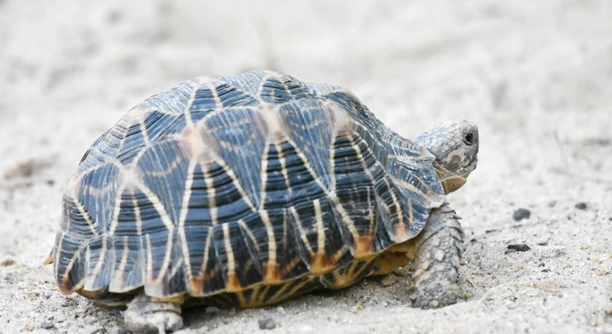
Turtles, like many animals, need hiding spots in their tanks to feel secure and comfortable. These spots provide them with a sense of privacy and reduce stress. In this article, we’ll explore the best hiding spots for your turtle’s tank.
The best hiding spots for turtles are those that mimic their natural environment. Items like caves, logs, or plants offer both shelter and a place to retreat from light and activity, ensuring your turtle feels safe and relaxed.
The right hiding spots will benefit your turtle’s well-being. By providing proper hiding spaces, you’ll improve your turtle’s quality of life and help maintain a stress-free environment for them.
Natural Rock Caves
Rock caves are an excellent option for your turtle’s tank. They not only look great but also mimic the types of environments turtles would use for shelter in the wild. These natural-looking caves provide a perfect space for your turtle to hide when it feels stressed or just wants some privacy. Most turtles enjoy having a dark, cool spot where they can retreat, and rock caves fit this need perfectly. They also come in various sizes, so it’s easy to find one that works well with your tank setup. Whether the rock cave is small or large, it offers a secure area for your turtle to rest without being disturbed. This is especially important if you have multiple turtles sharing the same tank, as it ensures they each have their own quiet place.
Rock caves are durable and easy to clean. Their natural look adds to the overall appeal of your turtle’s habitat. It can also help create a more serene atmosphere by simulating the rocky hiding spots turtles use in nature.
Natural rock caves blend into the environment while meeting a turtle’s need for seclusion. They are durable, easy to clean, and add a touch of authenticity to the tank.
Floating Platforms
Floating platforms are simple yet effective hiding spots for turtles. These platforms allow them to rest above the water, providing both a dry area and a secure space away from any tank activity.
Turtles naturally enjoy basking on dry land. Floating platforms are a great way to provide them with this opportunity. They also offer a place for turtles to hide or relax when they feel the need to retreat from the water.
They often feature ramps for easy access, allowing your turtle to climb up and rest at its leisure. Floating platforms come in various designs, from simple flat surfaces to those with elevated sections, offering a variety of hiding options. They also help maintain tank cleanliness by reducing the amount of debris in the water. Floating platforms are great for helping your turtle feel safe while still having access to water for swimming or basking.
These platforms are easy to use, maintain, and serve as an excellent resting space. By adding one to your tank, you can ensure your turtle has a place to relax and hide when it needs to.
PVC Pipes
PVC pipes are a budget-friendly and practical choice for turtle hiding spots. They’re easy to find and can be cut to any size, making them a customizable option for any tank.
Turtles often enjoy hiding inside the pipe’s dark, cool interior. It provides them with a safe, private place to retreat to when they need a break from swimming or basking. PVC pipes can also be placed at different angles to offer a variety of hiding spots and climbing opportunities. They’re lightweight and easy to arrange within the tank.
Another advantage of PVC pipes is their ease of cleaning. Simply rinse them off or scrub them down when necessary. Unlike some other materials, PVC doesn’t absorb debris or bacteria, which helps maintain a healthier environment for your turtle. It’s an affordable, effective solution to add more hiding spaces to your turtle’s home.
Live Plants
Live plants provide a natural hiding spot for turtles, offering both privacy and a more natural habitat. They can help your turtle feel more at ease by mimicking the environments they would seek out in the wild.
Adding live plants creates a thriving environment in your tank, benefiting not only your turtle but also the overall tank ecosystem. Plants provide shade and shelter for your turtle to retreat into, while also helping to improve water quality by absorbing excess nutrients. Some turtle species, like red-eared sliders, will even nibble on aquatic plants, adding an extra benefit to your tank setup.
Live plants can also make your tank look more vibrant and lush. You can combine plants like java ferns, anubias, and water lilies for a balanced underwater jungle that encourages your turtle’s natural behavior. Just make sure the plants you choose are safe for turtles and won’t harm them.
Ceramic Hideaways
Ceramic hideaways are sturdy and provide an excellent hiding space for turtles. They come in various shapes and sizes, making it easy to find one that fits your tank setup.
These hideaways often have a textured surface that feels natural to turtles. They can hide in these spaces to feel secure and safe. Ceramic materials also retain moisture and coolness, which can help your turtle maintain a comfortable temperature. While ceramic hideaways are durable and long-lasting, they are heavier and may require a more stable tank arrangement to avoid tipping.
Coconut Shell Huts
Coconut shell huts are a unique and natural addition to your turtle tank. They offer a cozy, dark retreat for turtles and are a great way to add a tropical touch to their environment.
Turtles are naturally drawn to the hollow space inside coconut shells. These huts provide an easy way for your turtle to hide and feel safe. The shell’s texture is also beneficial, as it mimics the kind of natural hiding spots found in the wild. Plus, they are lightweight and simple to clean, making them both practical and charming additions to your tank.
FAQ
Why do turtles need hiding spots in their tank?
Turtles are naturally shy animals that seek solitude when they feel stressed or overwhelmed. Hiding spots in the tank give them a place to retreat, allowing them to relax and feel safe. Without proper hiding spaces, turtles can become anxious, which may lead to unhealthy behaviors or stress. Providing these spots helps your turtle feel secure, mimicking the natural environments they would have in the wild. A peaceful turtle is a healthier one, and the right hiding spots can reduce their stress levels significantly.
How many hiding spots should I have for my turtle?
It’s a good idea to have at least one hiding spot for each turtle in your tank. If you have multiple turtles, consider adding several spots to reduce any territorial disputes. Different types of hiding spots will give them options to choose from, whether they want to be submerged, on land, or somewhere with more privacy. By having a variety, you cater to their natural behavior and ensure that each turtle has access to a safe retreat when they need it.
Are all hiding spots safe for my turtle?
Not all hiding spots are created equal. It’s important to choose safe, non-toxic materials for your turtle’s hiding spaces. Avoid anything that could break into sharp pieces or pose a risk to your turtle’s health. For example, some cheap plastic decorations may have sharp edges that can injure your turtle. Always inspect new hiding spots to ensure they are smooth, sturdy, and free from any harmful chemicals. Additionally, keep in mind that the hiding spots should be easy for your turtle to enter and exit.
Can I use aquarium decorations as hiding spots?
Yes, many aquarium decorations can double as hiding spots. Look for decorations such as rocks, caves, or plants that provide enough space for your turtle to fit into. These items can create a natural feel while also offering your turtle the opportunity to hide when needed. Just make sure any decorations are securely placed in the tank and can’t tip over easily. It’s also best to avoid overly large or crowded decorations that may limit your turtle’s movement.
How do I clean turtle hiding spots?
Cleaning hiding spots is important to prevent the buildup of algae, bacteria, or waste. Depending on the material, hiding spots should be rinsed with warm water and scrubbed with a soft brush to remove debris. For ceramic or rock hideaways, you may need to use a small amount of vinegar or aquarium-safe cleaner. Avoid using harsh chemicals or soap, as these can harm your turtle. Regular cleaning ensures your turtle’s environment stays safe and comfortable, which helps keep them healthy.
Can turtles hide in the water?
Yes, turtles can and often do hide in the water. Some species of turtles, like aquatic turtles, will seek shelter underwater in caves, hollow logs, or plants. Providing submerged hiding spots in the water is a good idea for turtles that spend most of their time swimming. These spaces give them a place to escape from any disturbances and stay cool. However, it’s important to have a variety of hiding spots, including those above the water’s surface, to accommodate different needs.
Are floating platforms necessary for my turtle?
Floating platforms are a good addition to a turtle tank, but they are not always necessary. They provide a dry area for your turtle to rest, bask, and escape the water when needed. If you have a species of turtle that enjoys basking or needs a warm spot to dry off, a floating platform can help meet those needs. However, some turtles might prefer to stay submerged and may not use the platform as often. It’s important to know your turtle’s preferences when deciding on tank features.
Do I need to change the hiding spots regularly?
While it’s not necessary to change hiding spots constantly, occasionally rearranging or adding new ones can help keep your turtle interested in their environment. In the wild, turtles often encounter new surroundings, so switching things up can mimic that natural variation. If your turtle seems bored or stressed, changing the location or adding new hiding spots can offer them more choices and prevent stagnation. Just make sure the hiding spots remain safe and suitable for your turtle’s size and behavior.
Can I use live plants as hiding spots?
Yes, live plants can be a great addition to your turtle’s tank. Not only do they provide hiding spots, but they also help improve water quality by absorbing excess nutrients and oxygenating the water. Turtles enjoy hiding in or beneath plants, as they can offer both shelter and a natural, peaceful environment. Keep in mind that some turtles may nibble on aquatic plants, so make sure the plants are safe and won’t harm your turtle. Hardy plants like anubias or java ferns are good options for turtle tanks.
Should I place hiding spots near the heat lamp?
It’s important to consider your turtle’s needs when placing hiding spots near the heat lamp. Many turtles enjoy basking under a heat source, so you can place a dry hiding spot near the lamp. However, make sure it’s not too close, as excessive heat can be harmful. Some turtles may prefer a cooler, shaded hiding spot away from the heat, especially if they are trying to avoid getting too warm. Always offer options for your turtle to regulate its temperature, including spots both near and away from the heat source.
Final Thoughts
Providing hiding spots for your turtle is an essential part of creating a comfortable and healthy environment. Turtles, like many animals, need space to retreat to when they feel stressed, tired, or simply need some alone time. By adding hiding spots to their tank, you are helping to reduce their stress and allowing them to feel more secure in their surroundings. Whether you choose ceramic hideaways, natural rock caves, or floating platforms, the right hiding spots will improve your turtle’s quality of life.
It’s important to keep in mind that turtles are creatures of habit and may have their own preferences when it comes to hiding spots. Some might prefer submerged spaces, while others may want a dry area to rest. Providing a variety of hiding spots can ensure your turtle has choices, giving them the ability to find a spot that feels right to them. It’s also a good idea to observe your turtle’s behavior, as this can help you understand what type of hiding space they use the most and which ones they avoid. Knowing this will allow you to make adjustments to their habitat, ensuring they always have a secure place to go.
Lastly, the maintenance of hiding spots is key to keeping your turtle’s habitat clean and safe. Regularly cleaning the hides and checking for any damage will prevent the buildup of harmful bacteria or algae, which could harm your turtle. Make sure to choose safe materials that are easy to clean and won’t pose any risks to your turtle’s health. With proper care and attention, the right hiding spots can significantly enhance your turtle’s living environment and contribute to its overall well-being.

Hello,
If you enjoy the content that we create, please consider saying a "Thank You!" by leaving a tip.
Every little bit helps us continue crafting quality advice that supports the health, happiness, and well-being of pets around the world, for pets of all shapes, sizes, and species.
We really appreciate the kindness and support that you show us!