
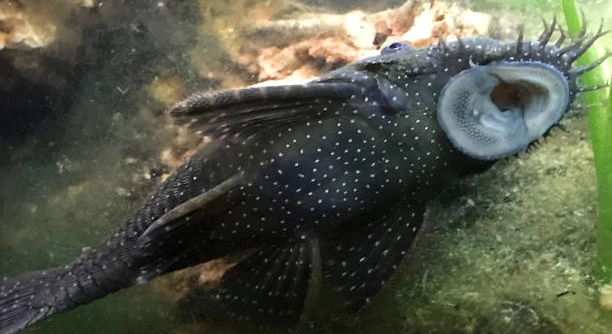
Do your plecos often stay hidden behind filters or decorations that don’t really meet their needs for shelter and safety?
The best hiding spots for plecostomus include driftwood, rock caves, PVC tubes, clay pots, and dense aquarium plants. These options offer protection, reduce stress, and help mimic their natural habitat, especially in well-structured tank environments.
From basic setups to more natural-looking spaces, we’ll explore simple, effective ways to create a safe home for your plecostomus.
Use Natural Driftwood
Natural driftwood is one of the best hiding options for plecostomus. It offers a safe, dark space where they can rest during the day. It also adds a natural look to your tank, blending well with plants and rocks. Many plecos enjoy rasping on driftwood, which can help with digestion. When placing driftwood, be sure it’s aquarium-safe and properly treated to avoid releasing tannins or affecting your water quality. Driftwood should be large enough to provide shade but not block water flow. It’s also helpful to place it near the back or sides of the tank for a more secure feel.
Some plecos may become territorial over driftwood, so try spacing out the pieces.
Driftwood encourages natural behavior and helps maintain a calmer environment for your plecostomus. It’s simple to clean and long-lasting, making it a practical and functional part of any freshwater aquarium setup.
Add Rock Caves
Rock caves help plecos feel safe and settled in their environment.
You can use aquarium-safe rocks or purchase pre-made caves designed for freshwater tanks. These structures give plecostomus places to hide, rest, and avoid bright lighting. Try stacking rocks to create tunnels or enclosed areas, but always ensure they are stable and won’t collapse. Caves should be large enough for your pleco to fully enter, yet snug enough to feel secure. Consider spreading out multiple caves if you have more than one pleco or tank mates that enjoy hiding. Position the caves in shaded parts of the tank to keep them cool and quiet. Rock textures also help mimic the natural surfaces plecos encounter in the wild. If you’re using real stones, avoid anything sharp and rinse them thoroughly before adding them to the tank. By including rock caves, you support your plecostomus’s natural instincts while adding structure and balance to the tank layout.
Use PVC Pipes
PVC pipes offer a cheap and flexible way to build hiding places for plecostomus. They’re easy to clean, come in different sizes, and can be arranged horizontally or vertically based on your tank’s layout.
Cut the PVC pipes to the right length for your pleco, making sure the edges are smooth. You can bury them slightly in the substrate or place them behind plants and rocks to help them blend in. Some aquarists like to paint the exterior with aquarium-safe paint or wrap them in moss to create a more natural look. Make sure the diameter is wide enough for your pleco to move through comfortably. PVC is durable, safe for aquarium use, and easy to customize for multiple hiding spots. This setup is especially helpful in tanks with multiple plecos, reducing stress and territorial behavior.
With a bit of creativity, PVC pipes can fit into almost any tank style. They work especially well in setups where space is limited but structure is still needed. If your pleco likes to stay tucked away most of the day, a simple pipe can quickly become its favorite hangout spot. You can also combine several pieces to form a tunnel system or stack them for a more layered design.
Try Clay Pots
Clay pots make simple and affordable shelters. Turn them on their side or cut an opening to create more space. They help replicate the feeling of caves while blending well with tank decor and plants.
Choose unglazed, aquarium-safe clay pots and rinse them well before placing them into the tank. If the pot opening is too small, use a saw or rotary tool to carefully widen it. You can lay the pot flat or tilt it into the substrate for a more hidden effect. These pots are especially useful in breeding setups, as plecos often seek them out for spawning. They’re also easy to move around if you decide to change your layout. The natural, earthy appearance of clay pots pairs well with driftwood and rocks, creating a cohesive look. Once your pleco claims a pot, you’ll likely find it resting inside throughout the day, feeling safe and calm.
Use Dense Aquarium Plants
Thick plants offer natural cover for plecos. Choose species like java fern, anubias, or hornwort that grow well in low light and don’t require much maintenance. Position them around tank corners or driftwood to provide shaded, quiet spots.
Plants also help improve water quality and reduce stress. They create a more peaceful environment by softening bright light and breaking up open spaces. When arranged well, they allow plecos to hide while still exploring the tank freely.
Add Background Structures
Attaching background structures to your tank wall gives plecos extra surfaces to hide behind and rest under. These can be made from foam, rock panels, or natural textures. Choose pieces that are aquarium-safe and easy to clean. Add crevices or holes to mimic the look of caves or tree roots. These features can be especially helpful in tanks where bottom space is limited. Background pieces also give your aquarium more depth and structure without cluttering the floor. When placed correctly, they offer secure, low-light areas that plecos will use regularly.
Tuck in Leaf Litter
Dried Indian almond leaves or catappa leaves work well for creating shaded pockets. Spread them loosely across the substrate, especially near other hiding spots. They soften the water slightly and create a natural feel your pleco will appreciate.
FAQ
What is the best hiding spot for plecostomus in a small tank?
In a smaller tank, it’s essential to maximize the available space without overcrowding the pleco. PVC pipes or small clay pots are great options because they don’t take up much space and provide the necessary hiding spots. You can also use dense plants like Java fern or moss to create natural hiding areas without using too much room. Keep in mind that plecos need enough space to move around, so make sure there’s still room for swimming and exploring.
Can plecos hide in decorations like castles or fake rocks?
Yes, plecos can hide in aquarium decorations like castles or fake rocks. However, make sure the decorations have openings large enough for the pleco to enter and exit comfortably. Some plecos, especially larger species, may find these artificial caves too cramped or difficult to navigate. Always choose decorations with smooth edges to avoid injury to your pleco.
Should I use live plants for pleco hiding spots?
Live plants are an excellent addition to a pleco’s tank. Not only do they provide hiding spots, but they also improve water quality by absorbing excess nutrients. Thick plants like Amazon swords or Java fern give plecos plenty of cover and mimic the natural environments they come from. They also allow plecos to explore and rest, offering a more stimulating environment.
How many hiding spots should I provide for my pleco?
You should provide at least two to three hiding spots for a single pleco. More hiding spots can be beneficial, especially if you have multiple plecos or other tankmates. These shelters reduce stress and help plecos feel secure. Make sure the hiding spots are spread out across the tank to give your pleco options for where to rest and avoid territorial disputes.
Do plecos need a dark hiding spot?
Plecos do prefer darker hiding spots as they are nocturnal creatures. They often feel safer and more secure in low-light areas where they can rest during the day. Dark spaces mimic the caves and crevices that plecos seek in their natural habitat. However, they also need access to well-lit areas to feed and explore, so balance is key.
Can plecos hide in the substrate?
Some plecos, especially smaller species, will bury themselves in the substrate if it’s deep enough. However, this behavior is not common in all pleco species. If your pleco likes to hide in the substrate, make sure the substrate is fine and soft, like sand, to prevent any injury. The pleco may also create little burrows to retreat into, so be careful not to disturb them too much.
Is it okay to use driftwood as a hiding spot?
Yes, driftwood is one of the best hiding spots for plecos. They often love to rest behind or under driftwood, and it also serves as a place for them to graze. Driftwood mimics the natural environment of plecos and gives them a secure, shaded spot. Just ensure the driftwood is aquarium-safe and treated properly to avoid affecting your water chemistry.
Can plecos hide behind filters or aquarium equipment?
While plecos can sometimes be found hiding behind filters or aquarium equipment, these spaces are not ideal. Filters often have strong currents, and plecos may not feel fully safe in these areas. Additionally, the equipment may be hard to clean and could trap waste, potentially affecting the water quality. It’s best to provide proper hiding spots that are free from high water movement.
Do plecos need to hide all the time?
Plecos are nocturnal creatures, so they tend to rest during the day and become more active at night. While they do need hiding spots, they don’t necessarily need to hide all the time. Providing secure and quiet areas gives them the option to rest when they feel the need, but plecos will also explore their tank during their active hours. A well-planted tank with various hiding spots allows plecos to move freely and stay active when they want to.
How can I encourage my pleco to use the hiding spots?
To encourage your pleco to use hiding spots, make sure the spaces are in quiet, low-traffic areas of the tank. Plecos like to feel secure, so avoid placing them near strong currents or bright lighting. It’s also a good idea to place some plants or decorations around the hiding spots to make them feel more natural and appealing to your pleco. Be patient, as it may take some time for your pleco to find the ideal hiding place.
Can plecos hide in tall aquarium plants?
Yes, plecos can hide in tall aquarium plants. Species like Java fern, Vallisneria, or Amazon sword plants provide great cover for plecos. These plants not only offer hiding spots but also help filter the water and add natural beauty to the tank. Tall plants can give plecos the opportunity to hide in their roots or among the plant leaves, making them feel more secure.
Final Thoughts
Creating a comfortable environment for your plecostomus is crucial for their well-being. Plecos are naturally shy and need safe spaces to hide, rest, and feel secure. Providing various hiding spots in your tank will help reduce stress and give them a sense of security. By using plants, rocks, driftwood, and other decorations, you can mimic their natural habitat and create an aquarium that both you and your pleco will enjoy.
When setting up hiding spots, consider the size of your tank and the number of plecos you have. A well-planted tank with soft substrate and carefully placed decorations can make a big difference. It’s important to ensure the hiding spots are accessible, but not too cramped, so your pleco has the freedom to move around when needed. Additionally, having multiple hiding spots can prevent any territorial disputes between plecos if you have more than one in the tank.
Remember that plecos are nocturnal, so they tend to hide during the day and become active at night. Offering them multiple options for hiding in shaded or darker areas will allow them to rest peacefully. Always check the health of the hiding spots to ensure they are free from debris or sharp edges that could harm your pleco. With the right setup, your plecostomus will feel safe, reduce stress, and thrive in a well-maintained aquarium.

Hello,
If you enjoy the content that we create, please consider saying a "Thank You!" by leaving a tip.
Every little bit helps us continue crafting quality advice that supports the health, happiness, and well-being of pets around the world, for pets of all shapes, sizes, and species.
We really appreciate the kindness and support that you show us!