
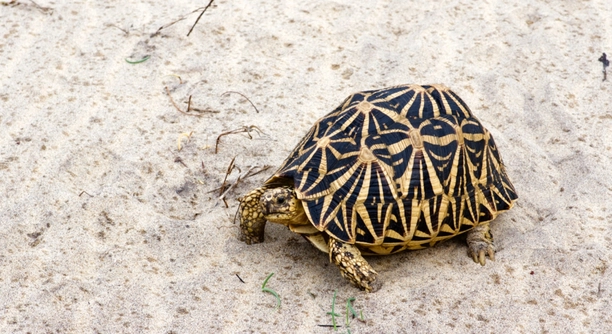
Turtles enjoy a safe and quiet space to relax and hide. Finding the best spots for them to do so is important for their well-being. Understanding where turtles feel most secure can help you provide them with the right environment.
The best hiding spots for turtles typically include places that offer both shelter and calm, such as under rocks, in dense vegetation, or in shaded areas. These spots allow them to feel safe and avoid predators while resting.
By providing your turtle with these ideal hiding places, you can improve their health and happiness. Learning more about the perfect spots will help ensure your turtle thrives in its home.
Under Rocks and Logs
Turtles often seek shelter under rocks and logs, which provide natural hiding spots. These areas offer shade and a sense of protection, making them ideal for turtles to rest. The coolness beneath the rocks helps keep their body temperature stable, while the covering shields them from predators. For a turtle, this type of space feels secure, as it’s both secluded and close to natural elements. Ensuring your turtle has a place like this in its environment can make a huge difference in its comfort and health.
Turtles often use these areas for both daytime resting and nighttime hiding. If you have a tank or an outdoor enclosure, incorporating some rocks or logs can provide your turtle with a similar experience. This will make them feel more at ease.
When placing rocks or logs, be mindful of the size. They should be large enough to provide coverage but not so big that they pose a risk of trapping your turtle. Properly positioning these items helps keep the turtle safe and ensures the hiding space is effective.
Dense Vegetation
Turtles love hiding in dense vegetation. Plants such as water lilies, reeds, or thick grasses offer both shade and protection. These areas allow turtles to stay out of sight while they remain close to food sources.
The dense plant cover provides a calm and private spot for turtles to escape from the open space, making them feel safe. It also creates a natural barrier, blocking unwanted attention.
Vegetation works especially well in outdoor turtle habitats or ponds. If you’re setting up a tank, consider adding floating plants or long strands of aquarium plants. These will replicate the feel of natural environments, allowing your turtle to stay hidden. It also helps with water filtration, keeping the habitat healthier for your turtle.
Shaded Areas
Turtles prefer shaded spots to stay cool and protected from the sun. Providing an area with natural or artificial shade helps them feel secure and comfortable. Whether it’s under a tree or a simple tarp, shaded spaces are essential.
Having shaded areas in an outdoor habitat or tank gives your turtle a break from direct sunlight. It’s important to create spots where they can retreat when they need to cool down. Too much sun exposure can stress them out or even lead to overheating, so it’s crucial to have these areas available.
A shaded spot can also mimic the natural environments of turtles, such as wetlands or forest floors. By adding plants, rocks, or even a structure like a small shelter, you create a space that feels safer for your turtle. It allows them to rest while also feeling protected. These areas should always be well-maintained, ensuring your turtle has a comfortable, stress-free environment.
Burrows or Soft Soil
Soft soil or burrows provide a perfect hiding place for turtles, especially those that live in the wild. Turtles dig into the earth to create cool, hidden spots where they can feel safe and secure.
You can recreate this in an outdoor setup by providing a small area with loose, soft soil. Turtles will dig into it to create their hiding spots. This mimics their natural behavior, where they burrow to escape extreme weather or predators. It’s important to make sure the soil is safe and free of chemicals.
In addition to giving your turtle a place to hide, burrows also regulate temperature. The earth stays cool during warm weather and warm during cold spells, allowing the turtle to find comfort. If your turtle has access to soil, it may naturally create these burrows, making it feel more at home in its environment. Just ensure the area is clean and safe for them to dig.
Rocks in Water
Turtles enjoy hiding among rocks in shallow water. These spots give them a chance to stay submerged while still being sheltered. Rocks also help turtles feel secure by providing a natural barrier.
Placing rocks in shallow water allows turtles to hide below the surface, offering both safety and a place to rest. The water keeps them cool while they remain protected. It’s essential to ensure the rocks are placed safely so the turtle can access them without risk of getting trapped.
Leaf Litter
Leaf litter can be a perfect hiding spot for turtles. It provides a natural, quiet space where they can feel hidden and comfortable. The leaves offer a soft, camouflaged area for rest.
Leaf litter also mimics natural environments like forests or wetlands, where turtles typically seek shelter. It’s easy to create by adding dry leaves or plant matter to a tank or outdoor habitat. This will allow your turtle to hide, feel secure, and blend in with its surroundings.
FAQ
What type of hiding spots do turtles prefer?
Turtles tend to look for places that offer both shelter and comfort. The best hiding spots for turtles are under rocks, logs, dense plants, or shaded areas. These spots mimic the natural environments where turtles typically hide. They feel safest in areas that are cool, dark, and provide some coverage from predators. If your turtle is in an outdoor enclosure, make sure there are plenty of hiding options to help them feel secure.
Can turtles hide in water?
Yes, turtles love to hide in water. Shallow water with rocks or plants gives them a place to rest while feeling protected. They may submerge themselves or find a rock to climb onto. This provides both security and the cooling benefits of water. You should ensure that your turtle has access to water deep enough to hide but not so deep that it risks being trapped.
How do I create a safe hiding spot for my turtle in a tank?
Creating a hiding spot for your turtle in a tank is simple. You can place rocks, logs, or even ceramic caves that give them a place to retreat. Adding plants, either live or artificial, can create additional coverage. It’s essential that the hiding spot is large enough for the turtle to move around in and escape if needed. Make sure there are no sharp edges or obstacles that could harm your turtle.
Is it necessary to have a hiding spot for turtles?
Yes, it is necessary for turtles to have a hiding spot. Hiding is an essential behavior for turtles as it provides them with safety and stress relief. In the wild, they use hiding spots to escape from predators and to regulate their body temperature. Without a hiding spot, a turtle may become stressed, which can affect its overall health and well-being.
Can turtles hide in soil or sand?
Turtles enjoy burrowing in soil or sand, especially if they are naturally inclined to dig. In outdoor environments, turtles often dig small burrows for rest and shelter. You can replicate this by adding a shallow layer of soil or sand in their habitat. Make sure it is soft enough for them to dig into without posing any harm. This mimics their natural behaviors and provides them with a sense of security.
What happens if turtles don’t have a hiding spot?
If turtles don’t have a hiding spot, they may feel vulnerable and stressed. Stress can negatively affect their health, causing issues with feeding, sleeping, and overall activity levels. Turtles need a place to retreat to when they feel threatened or overwhelmed. A lack of hiding spots can lead to behavioral changes and even physical health problems.
How do I know if my turtle is using its hiding spot?
You can observe your turtle’s behavior to see if it’s using its hiding spot. If it consistently spends time in or near its hiding area, it’s likely using it for security. Turtles tend to seek out these spots during the day for rest or at night for sleeping. If your turtle seems more relaxed and stays in the hiding area, it’s a good sign that they feel comfortable there.
How often should I change the hiding spot for my turtle?
You don’t need to change the hiding spot too often unless you notice that the turtle is no longer using it or seems stressed. However, it’s a good idea to periodically rearrange the environment to provide some variety. Turtles benefit from new structures that encourage exploration, as long as they still have access to safe, familiar hiding spaces. Make sure that the changes you make do not disrupt their sense of security.
Can I use artificial plants for hiding spots?
Yes, artificial plants can be a great addition to a turtle’s hiding spots. They offer the same benefits as real plants by providing coverage, shade, and a more natural-looking environment. Just be sure the artificial plants are safe for turtles, meaning they should be made from non-toxic materials. Additionally, ensure that the plants are sturdy enough not to collapse under the turtle’s weight.
Do turtles need both land and water hiding spots?
Yes, turtles need both land and water hiding spots. Depending on the type of turtle, they may spend time on land and in water. Providing hiding spots in both environments helps your turtle feel safe whether it’s basking on land or swimming in water. Make sure that both types of hiding areas are accessible and suitable for your turtle’s size.
What should I avoid when creating hiding spots for my turtle?
When creating hiding spots for your turtle, avoid using sharp objects or materials that could harm them. Any hiding spots should be large enough for the turtle to move around freely but should not trap them. Also, avoid using materials that can be toxic to turtles, such as certain types of plastics or treated woods. It’s also important to avoid overcrowding the hiding areas, as this can make your turtle feel trapped or uncomfortable.
Final Thoughts
Providing a safe and comfortable hiding spot for your turtle is essential for its overall well-being. Turtles are naturally shy and enjoy spending time in areas that make them feel secure. Whether it’s under rocks, in dense plants, or even in the water, these hiding spots give your turtle the peace it needs. Having different options for hiding helps your turtle feel more at home, as it can choose where it feels safest at different times. Creating an environment where your turtle can relax and retreat when needed is key to its happiness.
When setting up hiding spots for your turtle, it’s important to consider the natural environment it would typically live in. For example, wild turtles often seek shelter under rocks, logs, or in shallow water. By mimicking these conditions, you allow your turtle to experience a more natural environment, which can reduce stress. Even in a tank, adding plants, rocks, and small hiding spots gives your turtle the opportunity to hide and feel safe. The key is to ensure the hiding spots are not only accessible but also safe for your turtle to move around in without any risks.
Ultimately, the more secure your turtle feels, the healthier it will be. Stress can have negative effects on its health, so providing an environment where it can hide, rest, and feel safe is crucial. Regularly check the condition of your turtle’s hiding spots to ensure they remain safe and comfortable. By paying attention to these small details, you can create a space where your turtle can thrive, whether it’s in an outdoor habitat or a simple tank.

Hello,
If you enjoy the content that we create, please consider saying a "Thank You!" by leaving a tip.
Every little bit helps us continue crafting quality advice that supports the health, happiness, and well-being of pets around the world, for pets of all shapes, sizes, and species.
We really appreciate the kindness and support that you show us!