
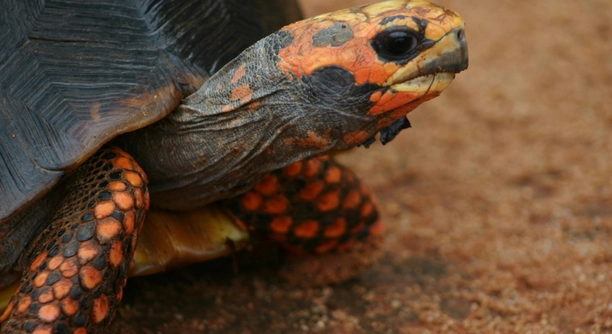
Red-footed tortoises are gentle, fascinating creatures that thrive in environments where they can explore and hide. Creating the right habitat for them requires understanding their need for safety and comfort. One of the most important aspects of their habitat is providing effective hiding spots.
The best hiding spots for a red-footed tortoise habitat include areas like caves, thick foliage, and shaded corners. These spots not only provide security but also mimic their natural environment, offering them a sense of privacy and protection from stress.
With the right hiding spots, your tortoise can feel safe and secure, contributing to a healthier and more natural living space. Keep reading to learn more about the best options for creating the perfect environment for your pet tortoise.
Hiding Spots with Natural Features
A red-footed tortoise naturally seeks refuge in places that offer both shade and shelter. You can easily create such spots using natural materials like large rocks, logs, and dense plants. These items mimic the tortoise’s native habitat, where they find protection from the sun and predators. By adding a variety of these natural elements, you allow your tortoise to feel more at ease, reducing stress.
Creating this natural environment for your tortoise is crucial for their overall well-being. Adding logs or rocks that your pet can hide under gives them a sense of safety, allowing them to rest without feeling exposed. Plants such as ferns or bushes can also provide the necessary cover.
Ensure that these hiding spots are not only attractive but also functional. They should offer easy access for your tortoise to move in and out freely. Avoid overcrowding the area, as your tortoise needs space to roam and explore. Combining natural features with enough space creates a habitat that truly benefits them.
Commercial Hiding Spaces
While natural hiding spots are ideal, commercial products can be a great option as well. Many pet stores offer pre-made tortoise caves or shelters designed to provide a safe space for your pet.
These products often come in various materials, from plastic to ceramic, and are designed to fit the specific needs of reptiles. They can be a simple solution if you are short on time or resources. However, they should still be positioned in an area with access to some natural elements like plants or rocks for added comfort.
Additionally, commercial hiding spaces are easy to clean, which is essential for maintaining a healthy environment for your tortoise. Be sure to choose one that’s large enough for your tortoise to move around in, yet snug enough to provide a feeling of security.
Hiding Spots in Shaded Areas
Shaded areas are essential for providing a comfortable environment for your red-footed tortoise. These spots allow your pet to escape the heat while still being able to explore their surroundings. By using items such as large leaves or shady corners, you ensure that your tortoise can rest without overheating.
You can use outdoor plants like banana trees or palm fronds to create shaded areas. These plants naturally grow large leaves that provide dense cover. You can also place flat rocks or logs in shaded spots to offer additional hiding space. Make sure the shaded areas are cool enough for your tortoise, especially during warmer months.
If you’re keeping your tortoise indoors, you can achieve the same effect by using items like curtains or even indoor plants to block out direct sunlight. It’s essential to rotate the placement of these shaded areas regularly so your tortoise has a fresh space to explore. This keeps the environment engaging and safe.
Elevated Hiding Spots
Elevated hiding spots are another great option for your red-footed tortoise. These structures mimic natural landscapes where tortoises may seek higher ground to observe their surroundings or escape predators. Elevated spots can be created by stacking rocks or logs in a way that creates an elevated platform.
By providing elevated hiding spaces, you encourage your tortoise to climb and explore, which helps in exercise and mental stimulation. These platforms can be placed in the corners of the habitat or near other natural features like plants or water bowls. Elevated hiding spots also add depth to the tortoise’s environment, giving them more options to explore.
Just ensure that the height is not too excessive, as the tortoise could injure itself if it falls. A gentle incline or a small rise in the structure is enough to create the illusion of elevation, providing variety without risking harm.
Digging Areas for Hiding
Tortoises often enjoy digging, and offering them an area to dig can serve as both a hiding spot and an enrichment activity. By providing loose soil or sand, you allow them to express natural behaviors.
You can create a dedicated digging spot in the habitat where the soil is deep enough for them to burrow comfortably. This adds another layer of security for your tortoise, helping them feel protected and at ease.
Water-Edge Hiding Spots
Placing hiding spots near a water source can be beneficial, especially if your red-footed tortoise enjoys soaking. A water-edge hideout allows them to feel secure while also offering the comfort of water.
It’s important to ensure the water is shallow enough for the tortoise to access easily. If the hiding spot is too close to the water, it should still give them space to retreat when they feel the need. Adding rocks or plants around the water’s edge provides both a safe retreat and a place to hydrate.
FAQ
What is the best material for creating hiding spots for a red-footed tortoise?
The best materials for creating hiding spots are natural elements like rocks, logs, and plants. These materials mimic the tortoise’s natural environment, providing a sense of security. Rocks and logs can be used to build caves or raised platforms, while plants like ferns or palms can create thick foliage. Avoid using synthetic materials that might not provide the same comfort or protection. Make sure the materials are safe and non-toxic, ensuring they won’t harm your tortoise if they chew or interact with them.
Can I use a plastic hide for my red-footed tortoise?
Plastic hides can be used but should not be the only option. While plastic is easy to clean and maintain, it doesn’t replicate the natural environment well. Tortoises need variety in their habitat, and too much plastic may not offer the same level of comfort as natural materials. It’s best to use plastic hides in combination with logs, rocks, and plants, so your tortoise has a well-rounded environment that feels safe and natural.
How often should I change or clean the hiding spots?
Hiding spots should be cleaned regularly to maintain a healthy habitat. If you use natural materials like logs or rocks, clean them with a damp cloth to remove dirt or waste. Check for mold or bacteria, especially in humid environments. If you use a plastic hide, wipe it down with a reptile-safe disinfectant weekly. Rotating hiding spots or moving them occasionally helps avoid creating a stale environment and keeps your tortoise engaged. Change the bedding in their digging areas every few weeks to ensure cleanliness.
Should I provide more than one hiding spot for my red-footed tortoise?
Yes, it’s a good idea to provide multiple hiding spots. Red-footed tortoises can be territorial and may prefer to have options. Offering more than one spot allows them to choose where they feel safest, depending on their mood or behavior. It’s especially helpful if you have more than one tortoise, as each animal can claim its own space, reducing stress or conflict. Ensure the spots are placed in different areas of the habitat to encourage exploration.
Can I use indoor plants for hiding spots?
Indoor plants can work well to create hiding spots for your red-footed tortoise. Plants like ferns, spider plants, or pothos vines offer both shelter and greenery, which helps make the environment feel more natural. However, make sure that any plants you introduce are non-toxic to reptiles. It’s important to keep the plants well-maintained, removing any dead leaves or flowers that could create a breeding ground for pests or bacteria. Be cautious of any potential chemicals on store-bought plants that could harm your tortoise.
How do I know if my tortoise is stressed in its habitat?
Signs of stress in a red-footed tortoise include excessive hiding, lack of appetite, or restlessness. If your tortoise is hiding more than usual, it could indicate that it feels insecure or unsafe in its environment. Stress can also cause a tortoise to become more aggressive or withdrawn. Ensure that the habitat is comfortable and that there are enough hiding spots for your tortoise to feel secure. Check for environmental factors, like temperature or humidity, that might be affecting their well-being. Providing a variety of hiding spots can help reduce stress.
Can I create a hiding spot with sand or dirt?
Yes, using sand or dirt can create a natural hiding spot for your tortoise. Digging is a natural behavior for red-footed tortoises, and providing a deep sand or soil area allows them to burrow, which offers both comfort and security. Make sure the substrate is not too coarse or sharp, as it could harm your tortoise. If using sand, mix it with soil to help maintain proper humidity levels and ensure the substrate is soft enough for digging. Change the sand or dirt regularly to prevent it from becoming too compact or dirty.
Do red-footed tortoises need a hiding spot during the day?
While red-footed tortoises are active during the day, they still benefit from having a hiding spot available. Tortoises may seek refuge during the hottest parts of the day, especially if they feel stressed or threatened. Offering a hiding spot gives them the option to retreat when they need rest or relaxation. Having a safe space to hide also helps them feel secure in their environment. Even if your tortoise spends most of the day out and about, ensure they have access to a quiet area when they need it.
How do I make sure my red-footed tortoise’s hiding spots are safe?
To ensure safety, check that the hiding spots are stable and will not collapse or cause injury to your tortoise. Avoid sharp edges or rough surfaces that could hurt them. If you use logs or rocks, ensure they are heavy enough not to move around easily but not so heavy that they could potentially fall on your tortoise. Make sure any commercial hides are appropriately sized, allowing enough space for your tortoise to enter and exit freely. Regularly inspect hiding spots for cleanliness and possible hazards like mold, insects, or deteriorating materials.
Can I use cardboard boxes for hiding spots?
Cardboard boxes can work as a temporary hiding spot, but they are not the best long-term option. While they are inexpensive and easy to set up, they can break down quickly and might not offer the same comfort or security as more durable materials. If you do use cardboard boxes, make sure to replace them regularly, especially if your tortoise chews on them. You can use a cardboard box as part of a more natural setup, where it’s supplemented by other hiding spots made of wood, rock, or plants.
Final Thoughts
Creating the perfect hiding spots for your red-footed tortoise is an essential part of maintaining a healthy and comfortable habitat. These tortoises are naturally curious, but they also need a safe space where they can retreat when they feel threatened or just want some peace. By providing them with a variety of hiding spots made from natural materials like logs, rocks, and plants, you mimic their natural environment and give them the security they need to thrive. Offering a mix of hiding places—such as caves, elevated platforms, and shaded areas—gives them options depending on their mood or needs at the time. This not only ensures they feel safe but also helps reduce stress.
It’s important to remember that tortoises are individuals with different preferences. Some might prefer dark, enclosed spaces, while others may like to hide in open, more airy spots. Experimenting with the placement of hiding spots and the types of materials you use will help you find what works best for your tortoise. Be mindful of cleaning and maintaining the environment, as regular upkeep is crucial for your pet’s health. Keeping hiding spots clean and free from mold or bacteria will prevent illness and ensure your tortoise remains comfortable. Rotating hiding spots occasionally can also add variety to their environment, keeping it interesting and stimulating.
Lastly, always prioritize safety when setting up hiding spots. Avoid sharp objects or anything that could easily fall and hurt your tortoise. The ideal hiding spots should be stable and provide enough space for your tortoise to move around without feeling confined. As with all aspects of tortoise care, providing a variety of hiding spots that meet their needs helps ensure they are well-adjusted and content in their environment. The more you can replicate the conditions they would experience in the wild, the better. By creating a thoughtful habitat with these hiding spots, you give your red-footed tortoise the chance to lead a happy and healthy life.

Hello,
If you enjoy the content that we create, please consider saying a "Thank You!" by leaving a tip.
Every little bit helps us continue crafting quality advice that supports the health, happiness, and well-being of pets around the world, for pets of all shapes, sizes, and species.
We really appreciate the kindness and support that you show us!