
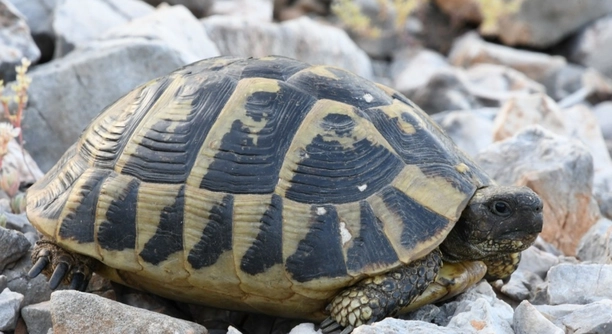
Creating the perfect hideout for your Hermann’s tortoise is essential for its comfort and well-being. The right setup provides a secure, quiet space where your tortoise can retreat, feel safe, and relax.
To create a comfortable Hermann’s tortoise hideout, focus on choosing natural materials that mimic its environment. Ensure the hideout is large enough to allow movement, has ventilation, and maintains appropriate humidity and temperature levels for your tortoise’s comfort.
Understanding these aspects will help you choose the best options to create a cozy and safe space for your tortoise.
Choosing the Right Material for Your Tortoise’s Hideout
When selecting materials for a Hermann’s tortoise hideout, aim for natural, non-toxic options. Wood, ceramic, and stone are excellent choices. They not only provide comfort but also mimic the tortoise’s natural environment. Ensure the materials are sturdy enough to maintain their shape and durability over time. Soft, absorbent materials can be useful for bedding, as they help control humidity and absorb excess moisture.
Wooden hides offer a more natural feel, and ceramic provides a cool, durable surface. Stone can keep the environment balanced in terms of humidity. Ensure that these materials are untreated, as chemicals or paints could harm your tortoise.
An ideal hideout should replicate your tortoise’s outdoor habitat, offering a place for it to retreat and feel secure. The texture, shape, and size all contribute to its comfort. A hideout should provide enough space for the tortoise to move around but remain snug enough to feel enclosed and safe.
The Importance of Proper Size and Space
Size matters when it comes to hideouts for Hermann’s tortoises. The space should be large enough for them to turn around comfortably without feeling confined.
Ventilation and Humidity Control
Proper ventilation is essential to ensure a healthy hideout for your tortoise. It helps prevent excess moisture buildup, which can lead to mold and bacteria growth. The hideout should have small openings that allow airflow without creating a draft. This keeps the environment comfortable without making it too cold or too hot.
Maintaining the right humidity level is key. Hermann’s tortoises need a moderate level of humidity to stay hydrated but not too much, as it can cause shell issues. The ideal range is between 50-60%. You can monitor this with a hygrometer to ensure the hideout stays within the desired range.
Consider the placement of the hideout as well. If you can position it in a more humid part of your tank or outdoor setup, it will help maintain stable conditions. Using a shallow water dish near the hideout can also help manage humidity levels.
Temperature Considerations
The temperature inside the hideout should stay between 75°F and 85°F, with a slight gradient to allow your tortoise to regulate its body heat. If the hideout is too cold, your tortoise may become lethargic, while a hideout that is too warm could stress it out.
An easy way to achieve the right temperature is by using heat mats or ceramic heat emitters, but make sure the hideout itself doesn’t become overly hot. Always monitor temperatures with a thermometer and make adjustments as needed. A basking area with higher heat is important, but the hideout should provide cooler options for your tortoise to retreat to.
Be sure to provide a temperature gradient within the enclosure, so your tortoise has access to both warmer and cooler areas. This allows it to choose a spot that best suits its needs, which is crucial for its overall health and comfort.
Easy-to-Clean Hideouts
A hideout that is easy to clean is important for your tortoise’s health. The materials should not absorb moisture or retain bacteria. Smooth surfaces are ideal as they are easier to wipe down and sanitize. Consider materials like ceramic or plastic for quick cleaning.
Frequent cleaning helps prevent the buildup of mold, feces, and food remnants. This reduces the risk of your tortoise getting sick. Avoid using harsh chemicals that could harm your pet. Instead, use natural disinfectants like vinegar or soap safe for reptiles. A clean environment ensures your tortoise stays healthy and comfortable.
Durability of Materials
Durable materials are essential in a hideout because Hermann’s tortoises may dig or push objects around. Choose materials that won’t crack easily or wear down with time. Ceramic, stone, and thick wood are excellent options for ensuring longevity.
Durability will save you from constantly replacing parts of the hideout. It also reduces the risk of accidental injury if a piece breaks. Make sure to inspect the hideout regularly for any signs of wear. A sturdy, well-made hideout will provide your tortoise with lasting comfort.
Placement within the Enclosure
The hideout should be placed in a quiet, sheltered part of the enclosure. Avoid direct sunlight or places with strong airflow, as these could make the hideout too hot or cold.
FAQ
What is the best material for a Hermann’s tortoise hideout?
The best materials for a Hermann’s tortoise hideout are natural, non-toxic ones like ceramic, stone, and untreated wood. These materials mimic their natural environment and offer durability, which is important for long-term use. Choose materials that are easy to clean, as sanitation is key for a healthy hideout. Avoid materials that might be too soft or break easily, as these could pose a risk to your tortoise’s health.
How big should a hideout be for a Hermann’s tortoise?
A hideout should be large enough for your Hermann’s tortoise to move around freely but still feel cozy. It should allow enough space for your tortoise to turn around comfortably and rest in a curled position. The size will vary depending on the age and size of your tortoise, but the hideout should never be too small, as this could cause stress.
How can I maintain the right temperature inside the hideout?
To maintain the right temperature inside the hideout, ensure there is a heat source, such as a heat mat or ceramic bulb, that provides warmth. Use a thermometer to monitor the temperature, aiming for a range between 75°F and 85°F. It is important to have a gradient of temperatures within the enclosure, so the tortoise can move to warmer or cooler areas as needed. Always avoid direct heat, as it can make the hideout too warm and uncomfortable.
Is ventilation important for a tortoise hideout?
Yes, proper ventilation is crucial to prevent excess moisture buildup, which can lead to mold growth and unhealthy conditions. A hideout should have small openings or gaps to allow for airflow but not so many that it creates drafts. This helps maintain the appropriate humidity level, which is important for your tortoise’s well-being.
How often should I clean the hideout?
The hideout should be cleaned regularly to prevent bacteria and mold buildup. At a minimum, clean it once a week, but you may need to clean more often if you notice any signs of soiling or odor. Use reptile-safe disinfectants or natural options like vinegar to wipe down surfaces, ensuring the hideout is safe and sanitary.
Can I use a plastic hideout for a Hermann’s tortoise?
Plastic hideouts can work, but they should be made of durable, non-toxic plastic. They are easy to clean, but plastic can sometimes be slippery or uncomfortable for the tortoise. Consider adding bedding inside for extra comfort. Make sure the hideout is large enough and offers adequate ventilation.
Should I provide more than one hideout?
It is a good idea to offer more than one hideout, especially if your tortoise has a larger enclosure. This allows them to choose the one they feel most comfortable in. Offering multiple hideouts also provides security, as tortoises may sometimes feel the need to retreat to different places depending on their mood or environmental conditions.
What kind of bedding should I use in the hideout?
Bedding should be absorbent to help manage moisture and humidity. Options like coconut coir, aspen shavings, or grass hay work well. Avoid using sand or wood chips, as they can cause impaction if ingested. Make sure the bedding is cleaned regularly to maintain a healthy environment.
Can I use a hideout for my tortoise outdoors?
Yes, you can provide an outdoor hideout for your tortoise as long as it’s safe and offers protection from the elements. Ensure the hideout is sheltered from extreme weather conditions and predators. Materials like stone or ceramic work well outdoors, but the hideout should be placed in a shaded area to prevent overheating.
How can I tell if the hideout is comfortable for my tortoise?
If your Hermann’s tortoise regularly uses the hideout and seems relaxed, it’s likely comfortable. Tortoises that feel secure in their hideout may spend time resting or retreating to it when they are feeling stressed. On the other hand, if your tortoise avoids the hideout, it may be too small, too hot, or otherwise uncomfortable.
What should I do if my tortoise stops using its hideout?
If your tortoise stops using its hideout, consider reviewing its environment. Check if the temperature, humidity, or ventilation is appropriate. If the hideout is too small or uncomfortable, try replacing it with one that meets your tortoise’s needs. Stress or changes in routine can also cause your tortoise to seek other areas, so ensure it feels safe and secure in its enclosure.
Can a hideout be too big for a tortoise?
A hideout can be too large if it doesn’t provide the secure, enclosed feeling that tortoises need. While it should be spacious enough for your tortoise to move around, if the hideout is too large, it might not feel cozy or safe. A good hideout should balance space and security to make your tortoise feel comfortable.
How do I ensure the hideout is safe for my tortoise?
To ensure the hideout is safe, check for sharp edges, loose parts, or any toxic materials. Make sure there are no small pieces that could be swallowed. The hideout should also have proper ventilation to prevent overheating or humidity issues. Regularly inspect the hideout for any wear or damage to ensure it remains safe over time.
Final Thoughts
Creating the ideal hideout for your Hermann’s tortoise is essential for its overall health and well-being. The right hideout provides a safe and comfortable space for your tortoise to rest, sleep, and feel secure. A proper hideout helps reduce stress and promotes natural behaviors, contributing to a more relaxed and healthy tortoise. The materials you choose, the size of the hideout, and the placement within the enclosure all play important roles in creating the best environment for your pet.
When selecting a hideout, it’s important to keep in mind the natural habitat of Hermann’s tortoises. These animals are accustomed to dry, warm environments, so providing a hideout with the right temperature and ventilation is key. A hideout should not be too large or small, as it needs to provide enough space for your tortoise to turn around but still feel cozy and secure. Make sure to choose materials that are durable, easy to clean, and safe for your tortoise. You can use ceramic, stone, or untreated wood for a long-lasting and comfortable hideout.
Regular maintenance is necessary to keep the hideout clean and free from harmful bacteria. Clean it weekly, and check it for any signs of damage. It’s also beneficial to provide more than one hideout or resting spot, so your tortoise can choose where it feels most comfortable. A hideout that offers both security and comfort will help ensure that your tortoise stays healthy and happy in its enclosure. By paying attention to these details, you can create a safe, relaxing environment for your Hermann’s tortoise to thrive in.

Hello,
If you enjoy the content that we create, please consider saying a "Thank You!" by leaving a tip.
Every little bit helps us continue crafting quality advice that supports the health, happiness, and well-being of pets around the world, for pets of all shapes, sizes, and species.
We really appreciate the kindness and support that you show us!