
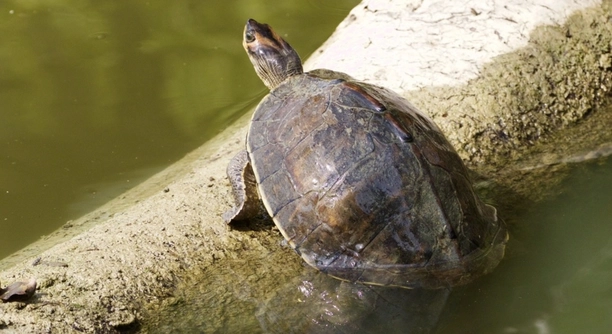
Heating your tortoise tank properly is crucial to maintain a comfortable environment for your pet. The right heating solution can ensure the tank stays warm enough, which is vital for your tortoise’s health and well-being.
The best heating solutions for an Indian roofed tortoise tank include heat lamps, ceramic heat emitters, and under-tank heaters. These options provide consistent warmth and help maintain the necessary temperature gradient for your tortoise to thrive.
Choosing the right heating option can be tricky, but we’ll go over the best methods and solutions to make it easier for you.
Importance of Heating for an Indian Roofed Tortoise
Heating is essential for an Indian roofed tortoise as it helps mimic the natural environment of warmer climates. These tortoises are cold-blooded, meaning they rely on external heat sources to regulate their body temperature. Without adequate heat, they can become lethargic, and their digestive system can slow down.
The right temperature also encourages healthy feeding habits and promotes overall activity. When their environment is too cold, tortoises may refuse to eat, leading to nutritional deficiencies. Maintaining proper heat is not just about comfort; it’s about keeping them healthy and active.
A consistent heat source ensures that the tank provides a proper temperature gradient, where the tortoise can move to warmer or cooler spots as needed. Without this, they can experience stress, which affects their behavior and immune system. A reliable heating system is a must for keeping them healthy in captivity.
Types of Heating Solutions
There are different types of heating solutions available for your tortoise’s tank. Each has its own benefits and can be used based on your tank setup and your tortoise’s needs.
Heat lamps are the most common and provide direct heat, ideal for basking areas. Ceramic heat emitters work well for maintaining a steady background temperature. Under-tank heaters are good for creating warmth from the bottom of the tank.
Choosing the right heating solution is vital for your tortoise’s health. You can combine options to create a balanced environment, offering warmth from different directions.
Heat Lamps for Direct Heating
Heat lamps are a popular choice for providing direct heat in a tortoise tank. They help create basking areas where your tortoise can warm up during the day.
These lamps can be easily adjusted to control the temperature. By positioning the lamp properly, you ensure that your tortoise has access to a warm spot when needed. However, it’s important not to keep the lamp too close as it can overheat the tank.
Heat lamps come in various wattages, so you can choose the right one based on your tank size. They are easy to use but require close monitoring. For the best results, use a thermostat to keep the temperature stable.
Ceramic Heat Emitters
Ceramic heat emitters are a great option if you need continuous heat without light. These are ideal for tortoises that require warmth at night or for those sensitive to bright lights.
They emit heat through infrared radiation, warming the tank without disturbing your tortoise’s sleep cycle. Since they don’t produce light, they are perfect for providing warmth in the dark hours.
You can use ceramic heat emitters in combination with other heat sources for a balanced temperature gradient. Keep in mind that while they are effective, they can be hot to the touch, so always handle with care. You’ll also need a proper fixture to avoid any fire risks.
Under-Tank Heaters
Under-tank heaters are a discreet and effective way to provide heat. They are placed beneath the tank and heat from the bottom, offering a natural warmth.
These heaters are especially useful for maintaining a stable temperature across the tank. They are often used in combination with other heating methods to ensure uniform warmth throughout the enclosure.
Since they’re out of sight, under-tank heaters are a simple way to heat your tortoise tank without creating clutter. Ensure that the surface area of the tank allows for even heat distribution. These heaters work best with tanks that are made of glass or other heat-conducting materials.
Heat Mats
Heat mats are similar to under-tank heaters, but they are flexible and can be applied directly to the bottom or sides of the tank. They provide consistent background warmth.
Placed correctly, heat mats ensure that your tortoise can always find a comfortable spot to rest. Some heat mats come with built-in thermostats for easier temperature management. However, it’s important to avoid using them alone without another heat source to create temperature gradients.
FAQ
What temperature should an Indian roofed tortoise tank be?
The ideal temperature for an Indian roofed tortoise tank should range from 80°F to 90°F (27°C to 32°C) during the day. A basking area should be slightly warmer, reaching about 95°F (35°C). At night, the temperature can drop to around 70°F (21°C). This range helps mimic their natural environment, where they experience warm days and cooler nights. Monitoring the temperature with thermometers placed in different areas of the tank is essential to ensure the tortoise can move between warmer and cooler spots as needed. It’s important to maintain a gradual temperature gradient across the tank.
Can I use a heat lamp and a ceramic heat emitter together?
Yes, you can use a heat lamp and a ceramic heat emitter together. Heat lamps provide direct heat and light, which is essential for basking, while ceramic heat emitters provide consistent warmth without light. Using both together helps create a varied temperature gradient, allowing your tortoise to move between basking areas and cooler zones. However, always make sure to control the temperature carefully with a thermostat to avoid overheating. Balancing both heat sources will ensure that your tortoise has access to the right heat at all times, day and night.
How do I monitor the temperature of my tortoise tank?
To monitor the temperature of your tortoise tank, use multiple thermometers placed in different areas: one in the basking spot, one in the cooler areas, and one in the middle. Digital thermometers or probe thermometers are most accurate. You can also use a thermometer with a humidity gauge for better control over the overall environment. Check the temperatures daily and adjust your heating equipment as necessary. A thermostat can be a helpful addition to automate temperature regulation and prevent overheating or underheating.
Can I use a regular household lamp to heat my tortoise tank?
Regular household lamps are not designed to provide the proper heat for a tortoise tank. Standard lamps can overheat or lack the specific heat output needed to maintain a warm environment. It’s best to use heat lamps that are specifically designed for reptiles, as they provide controlled and consistent warmth. These lamps often have higher wattages and can emit the right spectrum of light to help your tortoise with basking. Ensure that the lamp is rated for reptile use and use a fixture that’s safe for the high temperatures.
How often should I change the heating elements in my tank?
Heating elements, such as bulbs and emitters, should be replaced regularly. Typically, heat lamps should be replaced every 6 to 12 months, depending on the type and how often they are used. Ceramic heat emitters can last longer, but you should still check them every year. It’s important to keep an eye on the performance of your heating elements. If the light output or heat seems inconsistent, it may be time to replace them. Always follow the manufacturer’s recommendations for replacement schedules to ensure safe and effective heating.
Are heat mats safe for my tortoise tank?
Heat mats can be safe for your tortoise tank if used properly. They are designed to provide gentle, even heat from below, which mimics natural sun-warmed surfaces. However, it’s important to use a thermostat with the heat mat to prevent overheating. Never place a heat mat on the sides or top of the tank, as this can lead to unsafe conditions. Make sure the heat mat is appropriately sized for the tank and avoid placing it directly under any part of the enclosure that may become too hot. Regular monitoring is key to keeping your tortoise safe.
How can I create a temperature gradient in my tortoise tank?
To create a proper temperature gradient in your tortoise tank, use different heating sources in different areas. Place a heat lamp or a ceramic emitter in one section to create a basking spot with temperatures around 95°F (35°C). The cooler end of the tank should be maintained at around 80°F to 85°F (27°C to 29°C). Using under-tank heaters or heat mats can also help regulate the temperature on the cooler end. The goal is to offer your tortoise a range of temperatures so it can move around and regulate its body heat as needed. Make sure the gradient is gradual to avoid extreme hot or cold spots.
Can my tortoise tank be too hot?
Yes, your tortoise tank can be too hot, which can lead to health problems. If the basking area becomes too hot, exceeding 100°F (38°C), it can cause heat stress. Signs of overheating include lethargy, excessive drinking, and a lack of appetite. If the entire tank is too hot, your tortoise may struggle to cool off. Ensure that there are cooler areas in the tank where your tortoise can retreat to if needed. Always use a thermostat or heat controller to maintain the correct temperature range and prevent overheating.
How can I ensure my tortoise tank stays warm at night?
To keep your tortoise tank warm at night, you can use a ceramic heat emitter or a heat mat. These options provide heat without light, so they won’t disturb your tortoise’s sleep cycle. Set the nighttime temperature to around 70°F (21°C) and make sure that the heating elements are on a timer or thermostat. Avoid using heat lamps at night, as they emit light, which can interfere with your tortoise’s circadian rhythms. It’s also important to check the overall insulation of the tank; if the room gets cold at night, consider using a tank cover or placing the tank in a warmer room.
What are the risks of improper heating in a tortoise tank?
Improper heating in a tortoise tank can lead to a variety of health issues. If the tank is too cold, your tortoise may become lethargic, lose its appetite, and have difficulty digesting food. Overheating can cause stress, dehydration, and even burns. Additionally, a lack of a temperature gradient can make it difficult for your tortoise to regulate its body temperature. Without proper heating, your tortoise’s immune system may also weaken, making it more susceptible to infections. Always ensure that your tank maintains the appropriate temperature range and provide a variety of heating sources for the best results.
Final Thoughts
Providing the right heating for an Indian roofed tortoise is crucial for their health and well-being. These tortoises come from warmer climates, and maintaining a comfortable temperature in their tank is essential. The right heat helps them digest their food properly, stay active, and regulate their body temperature. Without proper heating, they may become sluggish, lose appetite, or experience stress. A healthy and active tortoise needs both warmth during the day and a cooler area at night to mimic their natural environment.
When choosing heating solutions, it’s important to consider different options like heat lamps, ceramic heat emitters, and under-tank heaters. Each type of heating device has its benefits and can be used in combination to ensure your tortoise has access to the right temperature throughout the day and night. Heat lamps work best for basking areas, while ceramic emitters are great for consistent, nighttime warmth. Under-tank heaters can provide steady heat from below, which helps create a comfortable environment. The key is finding a balance between different heat sources to create a proper temperature gradient that allows your tortoise to move between warmer and cooler spots.
Lastly, maintaining the right temperature and regularly checking the heating elements is vital. Make sure to monitor the temperature in different parts of the tank to avoid hot spots or areas that are too cold. Using a thermostat can help regulate the temperature and keep it stable. Replace heating elements as needed and handle them carefully to avoid any accidents. With the right heating setup, your Indian roofed tortoise will have a healthier, happier life in its tank.

Hello,
If you enjoy the content that we create, please consider saying a "Thank You!" by leaving a tip.
Every little bit helps us continue crafting quality advice that supports the health, happiness, and well-being of pets around the world, for pets of all shapes, sizes, and species.
We really appreciate the kindness and support that you show us!