
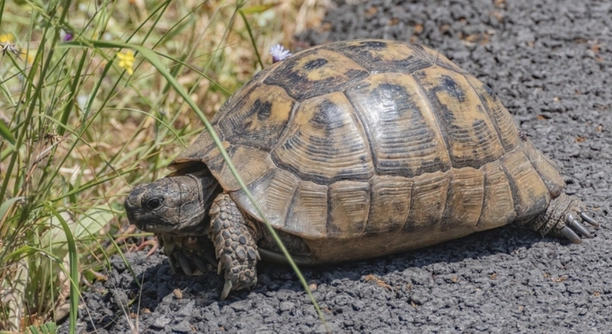
Are your Greek tortoises not getting enough warmth from their current heat lamp? Proper heating is essential for their health, ensuring they stay active and maintain a strong immune system. Choosing the right heat lamp can make all the difference.
The best heat lamps for Greek tortoises provide consistent warmth, mimic natural sunlight, and maintain optimal temperatures in their habitat. Quality lamps should offer both heat and UVB rays, ensuring proper metabolism, shell growth, and overall well-being for your tortoise.
Finding the right heat lamp means considering factors like wattage, durability, and UVB output. Understanding these features will help you create a comfortable and safe environment for your pet.
7 Best Heat Lamps for Greek Tortoises
Providing your Greek tortoise with the right heat lamp is essential for its health. These reptiles need warmth to regulate their body temperature and stay active. Without proper heating, they can become sluggish and develop health problems. A reliable heat lamp ensures they get the warmth and UVB rays necessary for digestion, shell growth, and overall well-being.
Choosing the right lamp depends on factors like wattage, UVB output, and durability. Some lamps provide both heat and UVB, while others focus on warmth alone. A good lamp should last long, offer stable temperatures, and be safe for your tortoise’s enclosure.
In this article, you will find seven tested and reviewed heat lamps that meet these standards. Each option has been carefully selected based on performance, longevity, and safety. These recommendations will help you pick the best lamp for your tortoise’s needs.
Why Heat Lamps Are Essential for Greek Tortoises
Greek tortoises rely on external heat sources to regulate their body temperature. Without proper heating, they struggle with digestion, mobility, and overall health. A quality heat lamp provides the warmth they need to thrive.
Tortoises are ectothermic, meaning they cannot generate their own body heat. In the wild, they bask under the sun to absorb warmth. In captivity, a heat lamp replicates this natural process. It helps with digestion, strengthens their immune system, and supports proper shell growth. Without enough heat, they may develop respiratory infections, metabolic issues, and weakened shells.
A well-balanced heating setup includes a heat lamp for warmth and a UVB lamp for vitamin D3 synthesis. Some lamps offer both in one, making them convenient options. Providing the right lighting ensures your tortoise stays active, healthy, and comfortable in its enclosure.
Factors to Consider When Choosing a Heat Lamp
The right heat lamp should provide consistent warmth, be energy-efficient, and last a long time. It should also be safe for your tortoise’s enclosure, reducing the risk of overheating or burns. A good lamp ensures your tortoise stays comfortable and healthy in its habitat.
Wattage is an important factor when choosing a heat lamp. A lamp that is too weak may not provide enough warmth, while one that is too strong can overheat the enclosure. Most Greek tortoises do well with 50- to 100-watt bulbs, depending on the size of their habitat. Placement also matters—keeping the lamp at a safe distance prevents burns while still maintaining the right temperature.
UVB output is another key consideration. Some heat lamps include UVB rays, which help with calcium absorption and shell development. If your lamp does not provide UVB, you will need a separate bulb to meet your tortoise’s needs.
Best Heat Lamps for Greek Tortoises
A high-quality heat lamp should provide steady warmth without flickering or burning out quickly. It should also be easy to install and adjust. Durability and efficiency are important when selecting the right lamp for your tortoise.
Some of the best heat lamps include models that combine heat and UVB output. These options help simplify your tortoise’s lighting setup while ensuring they get the necessary warmth and vitamins. Others focus solely on heat, requiring a separate UVB lamp. Depending on your setup, you may prefer an all-in-one option or a dedicated heat source. Long-lasting bulbs with sturdy construction are ideal for reducing the need for frequent replacements.
Safety should always be a priority. Look for lamps that distribute heat evenly without creating hot spots. Ceramic heat emitters are a great choice for nighttime warmth, as they do not produce light that could disrupt your tortoise’s sleep.
How to Properly Set Up a Heat Lamp
Position the heat lamp on one side of the enclosure to create a temperature gradient. This allows your tortoise to move between warm and cool areas as needed. The basking spot should reach around 90-95°F, while the cooler side should stay around 75°F.
Use a sturdy lamp fixture that can handle the bulb’s wattage. Clamp lamps and dome fixtures are popular choices. Ensure the lamp is secured to prevent accidents. A thermometer placed in different areas of the enclosure helps monitor temperatures and adjust the lamp’s position if needed.
Common Mistakes to Avoid
Placing the heat lamp too close can cause overheating, leading to dehydration and stress. Keep a safe distance between the lamp and the basking area to prevent burns. Using a thermostat can help maintain a stable temperature and prevent dangerous fluctuations.
Signs Your Tortoise Needs Better Heating
If your tortoise is inactive, refusing to eat, or spending too much time hiding, the enclosure may be too cold. A lack of proper heating can lead to sluggish behavior and digestive issues. Monitoring temperatures daily ensures your tortoise stays warm and healthy.
FAQ
What is the best heat lamp for a Greek tortoise?
The best heat lamps for Greek tortoises provide both heat and UVB. Many options on the market combine these features, such as mercury vapor bulbs or combined heat and UVB bulbs. These lamps simplify the setup and ensure your tortoise gets everything it needs. If you use a heat-only lamp, you will need to add a separate UVB lamp to ensure proper vitamin D3 synthesis. Consider factors like wattage, heat distribution, and durability when selecting the best option for your tortoise’s enclosure.
Can I use a regular light bulb for my tortoise?
A regular light bulb is not recommended because it does not provide the necessary UVB rays that tortoises need for calcium absorption. Tortoises need UVB light for proper shell development and overall health. While a regular bulb might provide heat, it cannot offer the essential UVB radiation that tortoises require.
How many hours a day should my Greek tortoise be exposed to a heat lamp?
Greek tortoises need around 12-14 hours of light and warmth each day, similar to natural daylight hours. This mimics the sun’s cycle, allowing your tortoise to maintain its natural activity levels and regulate its temperature. Using a timer can help ensure that your tortoise gets the right amount of light and warmth each day. At night, a ceramic heat emitter can maintain warmth without disturbing your tortoise’s sleep cycle.
Can I leave the heat lamp on at night?
It is not recommended to leave the heat lamp on overnight. Tortoises need a period of darkness to rest, which is essential for their well-being. However, a ceramic heat emitter can be used to maintain warmth during the night without disrupting their sleep, as it does not produce visible light.
What wattage should I use for a heat lamp for a Greek tortoise?
The wattage you need for a heat lamp depends on the size of the enclosure. For a smaller setup, a 50-watt bulb should be sufficient, while larger enclosures may require 75 or 100-watt bulbs. It’s important to monitor the temperature in the enclosure regularly to ensure it stays within the proper range. Too high or too low of a wattage can cause discomfort for your tortoise, so always check the heat levels after setting up the lamp.
How do I know if the temperature is right for my Greek tortoise?
Use a reliable thermometer to monitor the temperature in different areas of your tortoise’s enclosure. The basking spot should be around 90-95°F, while the cooler side should stay between 75-80°F. This temperature gradient allows your tortoise to regulate its body temperature by moving between the warm and cooler areas. If the temperatures are outside this range, adjust the heat lamp’s position or wattage accordingly.
How do I prevent my heat lamp from overheating?
To prevent overheating, ensure the heat lamp is positioned at the correct distance from your tortoise’s basking area. Use a lamp with a built-in thermostat or a separate external thermostat to regulate the temperature and avoid dangerous fluctuations. Additionally, check the temperature regularly and ensure the lamp is securely fastened to avoid any accidents.
Do heat lamps need to be replaced?
Yes, heat lamps can burn out or lose effectiveness over time, so it’s important to replace them when needed. UVB bulbs generally need to be replaced every 6-12 months, even if they still emit visible light, as their UVB output decreases. Heat bulbs should be checked for wear and tear as well. Regularly inspect the bulb and replace it as necessary to ensure your tortoise’s health and safety.
Can I use a UVB lamp instead of a heat lamp?
No, a UVB lamp alone does not provide sufficient warmth for your tortoise. UVB lamps are essential for calcium absorption and shell health, but they do not emit heat. To provide your tortoise with both heat and UVB, you will need a combination bulb or separate heat and UVB lamps.
What’s the best placement for the heat lamp in the enclosure?
The heat lamp should be placed on one side of the enclosure to create a temperature gradient. This allows your tortoise to choose a warmer or cooler area depending on its needs. Position the lamp at a safe height above the basking spot to avoid overheating or burning your tortoise. Make sure to monitor the temperature regularly to ensure that the basking area remains within the proper range.
Final Thoughts
Choosing the right heat lamp for your Greek tortoise is crucial for its overall health and well-being. A proper heat source not only keeps your tortoise warm but also supports digestion, immune function, and shell growth. A heat lamp that combines both heat and UVB light is ideal, as it provides the warmth your tortoise needs and the UVB radiation required for calcium absorption. This helps avoid health issues like metabolic bone disease and shell deformities, which can result from inadequate lighting.
When selecting a heat lamp, consider factors like wattage, bulb type, and durability. A 50- to 100-watt bulb is usually a good range for most tortoises, but the size of the enclosure and the distance from the basking spot can affect the wattage you need. A quality lamp with reliable temperature control is essential to avoid overheating or underheating the habitat. Make sure the lamp fixture is sturdy and safe to prevent accidents. Also, check the temperature regularly to ensure it remains within the proper range—this will keep your tortoise comfortable and healthy.
It’s also important to remember that lighting is just one part of your tortoise’s care. The environment should offer a temperature gradient, allowing your tortoise to move between warm and cool areas based on its needs. Regularly monitor the health of your tortoise, and adjust the lighting as necessary to meet its requirements. By investing in the right heat lamp and paying attention to other aspects of care, you’ll help ensure your Greek tortoise thrives for years to come.

Hello,
If you enjoy the content that we create, please consider saying a "Thank You!" by leaving a tip.
Every little bit helps us continue crafting quality advice that supports the health, happiness, and well-being of pets around the world, for pets of all shapes, sizes, and species.
We really appreciate the kindness and support that you show us!