
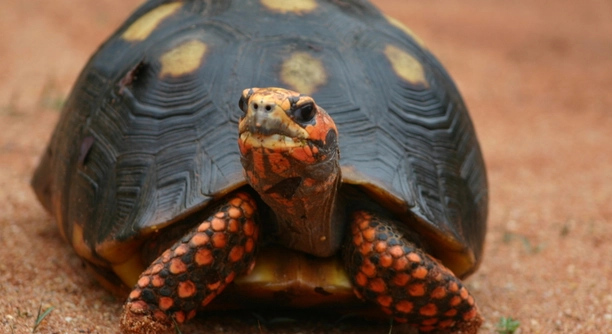
When caring for a red-footed tortoise, ensuring they have the right heat source is essential. A heat lamp plays a crucial role in creating the ideal environment for these reptiles, which thrive in warm conditions.
Choosing the best heat lamp for your red-footed tortoise is vital for their health and comfort. The lamp should provide the necessary temperature gradient, ensuring warmth for basking and cooler areas for resting. A reliable, adjustable heat lamp offers a consistent, controlled temperature.
The right heat lamp helps your tortoise thrive in a suitable habitat. Keep reading to find the top options available for your pet.
Importance of Proper Heat for Red-Footed Tortoises
Red-footed tortoises are native to warmer climates, so they require a specific temperature range to stay healthy. Without a heat source, they can become sluggish, lose appetite, and experience various health issues. A reliable heat lamp helps maintain the right conditions, especially if you live in cooler climates where natural sunlight may not be enough. A good heat lamp mimics the sun’s warmth, providing the tortoise with the basking area it needs to regulate its body temperature. The ability to maintain proper heat is crucial for your tortoise’s digestion, activity levels, and overall well-being.
Choosing the right heat lamp ensures your tortoise stays active, healthy, and comfortable. The lamp you pick should offer adjustable heat levels to provide consistent warmth throughout the day.
It’s important to provide a heat gradient for your tortoise’s enclosure. The basking area should be warmer, while other parts of the enclosure should have cooler spots. This variation allows the tortoise to move between temperatures based on its needs, mimicking its natural environment.
Key Features to Look for in Heat Lamps
Selecting the right heat lamp for your tortoise requires some attention to detail. You’ll want a lamp with adjustable heat settings, ensuring you can fine-tune the temperature for your tortoise’s needs. The lamp should also emit UVA and UVB light, which are crucial for your tortoise’s health. UVB light helps your tortoise process calcium, reducing the risk of metabolic bone disease. Also, choose a lamp that is durable and energy-efficient to save on electricity costs in the long run.
In addition to temperature and lighting, you should consider the lamp’s design and wattage. A higher wattage may be needed for larger enclosures or colder climates, while a lower wattage can suffice for smaller setups. Keep in mind that the heat source should be placed at an appropriate distance from the tortoise to avoid overheating or burning. A lamp with a reflective hood can help direct heat more efficiently and create a focused basking area.
Types of Heat Lamps for Red-Footed Tortoises
When choosing a heat lamp, there are a few options to consider. The most common are incandescent heat bulbs, ceramic heat emitters, and mercury vapor bulbs. Each has its pros and cons based on your specific needs.
Incandescent bulbs are an affordable and widely available option. They provide both light and heat, but their lifespan is shorter compared to other types. These bulbs are ideal for smaller enclosures or when used in combination with other heat sources. However, they may need frequent replacement, adding to long-term costs.
Ceramic heat emitters don’t provide light but offer continuous heat. These are perfect for nighttime use since they won’t disrupt your tortoise’s natural sleep cycle. Ceramic heaters are durable and energy-efficient, making them a great long-term investment. The downside is that they need a separate light source if your tortoise needs visible light during the day.
How to Set Up Your Heat Lamp Properly
Positioning your heat lamp is just as important as choosing the right one. The lamp should be placed at an appropriate height, usually 12-18 inches above the basking area. This allows the heat to reach your tortoise without posing a risk of overheating or burning.
Use a thermometer to regularly check the temperature in the basking area and ensure it stays within the desired range of 85-90°F. You may also want to place a thermometer in cooler areas to maintain a temperature gradient. This gives your tortoise the ability to move between warmer and cooler spots as needed. Proper placement of the heat lamp helps create a stable, comfortable environment for your red-footed tortoise.
Common Heat Lamp Mistakes to Avoid
One common mistake is placing the heat lamp too close to the tortoise. This can lead to overheating, dehydration, and burns. Always ensure there’s enough distance between the lamp and your tortoise to maintain a safe and comfortable basking temperature.
Another mistake is failing to monitor the temperature regularly. Without a thermometer, you might not realize that the temperature fluctuates too much, stressing your tortoise. Check the temperature daily to ensure it stays within the right range.
Best Practices for Using Heat Lamps
It’s crucial to provide your tortoise with a day-night cycle. Use a timer to regulate the lamp’s on and off periods. This ensures your tortoise gets a proper rest period without the disturbance of light or heat.
Don’t leave your heat lamp on 24/7. Your tortoise needs a period of darkness to rest and maintain a healthy sleep cycle. A timer helps maintain a consistent schedule, replicating the natural day-night cycle. Overheating is another issue to avoid, so ensure you place the lamp at the proper height and distance from your tortoise.
Monitoring Your Tortoise’s Health
Regularly observe your tortoise’s behavior and health. If you notice signs of lethargy, loss of appetite, or abnormal behavior, check the temperature. These are signs that the environment might not be optimal for your tortoise’s needs.
A healthy tortoise will show active behavior during the day, especially around basking time. Ensure it’s able to move between the heat and cool areas comfortably, without being exposed to extreme heat for long periods.
FAQ
How long should I leave the heat lamp on for my red-footed tortoise?
It’s recommended to keep the heat lamp on for 10-12 hours a day to mimic the natural sunlight cycle. This will help regulate your tortoise’s body clock, providing warmth during the day and allowing them to rest at night in a cooler environment. Use a timer to ensure consistency, and make sure to turn off the light at night to give your tortoise proper rest.
What is the ideal temperature range for a red-footed tortoise’s basking area?
The basking area should be maintained at a temperature of 85-90°F (29-32°C). This allows your tortoise to regulate its body temperature by moving between the basking spot and cooler areas in the enclosure. It’s essential to have a gradient, with the cooler side of the enclosure staying around 75-80°F (24-27°C).
Can I use a regular light bulb for my tortoise’s heat source?
Regular light bulbs are not ideal because they do not emit the proper heat or light needed for a tortoise. A specialized heat lamp designed for reptiles is best. Incandescent bulbs can work as a heat source, but they also emit visible light, which can disrupt your tortoise’s sleep cycle. Consider using a ceramic heat emitter if you don’t want visible light at night.
How often should I replace the heat lamp?
Heat lamps generally last anywhere from 6 to 12 months, depending on the type and usage. Incandescent bulbs tend to burn out faster, so you may need to replace them more often. Check the bulb regularly to ensure it’s still functioning properly and providing the right amount of heat. If you notice the bulb flickering or producing less heat, it’s time for a replacement.
What happens if my tortoise is exposed to too much heat?
If your tortoise is exposed to too much heat, it can become stressed, dehydrated, or even suffer from heatstroke. Signs of overheating include excessive panting, lethargy, and a lack of appetite. To prevent this, always ensure the heat lamp is at a safe distance from your tortoise and monitor the temperature regularly to avoid any extreme fluctuations.
Should I use a UVB light in addition to the heat lamp?
Yes, UVB lighting is essential for your tortoise’s health. It helps them synthesize vitamin D3, which is crucial for calcium absorption and bone health. UVB bulbs should be used alongside the heat lamp, especially if your tortoise isn’t getting natural sunlight. Make sure to replace the UVB bulb every 6-12 months, as their effectiveness decreases over time.
Can I use a dimmer switch with a heat lamp?
It’s not recommended to use a dimmer switch with a heat lamp, as it can interfere with the bulb’s performance. Heat lamps are designed to work at specific wattages, and altering this with a dimmer may cause uneven heating or burn out the bulb prematurely. It’s better to use a heat lamp with adjustable wattage if you need more control over the temperature.
How can I tell if my tortoise is getting the right amount of heat?
Monitor your tortoise’s behavior. If it’s spending too much time in the cooler areas of its enclosure, it might not be warm enough in the basking area. A healthy tortoise will move between the basking spot and cooler areas depending on its temperature needs. Use a thermometer to regularly check both the basking and cooler areas of the enclosure.
Do I need a heat lamp at night?
Red-footed tortoises do not need heat lamps at night. They need a cooler environment for proper rest. During the night, the temperature in their enclosure should drop to around 70-75°F (21-24°C). Use a ceramic heat emitter or another heat source that doesn’t emit visible light if you live in a cooler climate.
What type of thermometer should I use for monitoring the heat lamp?
A digital thermometer with a probe is the best option for measuring temperatures in your tortoise’s enclosure. Place one thermometer in the basking area and another in the cooler section of the enclosure to ensure the temperature gradient is appropriate. Avoid using glass thermometers, as they can break easily and may not provide accurate readings over time.
Final Thoughts
Choosing the right heat lamp for your red-footed tortoise is crucial to their health and well-being. Heat lamps provide the necessary warmth that helps regulate their body temperature, supporting digestion, metabolism, and overall activity. Without the proper heat, your tortoise can become lethargic, stressed, and may even develop health issues. It’s essential to pick a heat lamp that suits your tortoise’s specific needs, offering the right temperature range for basking and cooling areas in the enclosure. Pay close attention to the wattage and the type of bulb you use to ensure it provides consistent, reliable warmth.
Equally important is monitoring the temperature in your tortoise’s enclosure. Using a thermometer to check both the basking and cooler areas will help you maintain the proper environment. This is vital for your tortoise’s comfort and health. Overheating or inadequate heat can lead to a range of issues, from dehydration to lethargy. By keeping the temperature within the recommended range and offering a gradient between warm and cool areas, you allow your tortoise to move to the area that best suits their needs throughout the day. A reliable thermometer and a heat lamp with a stable, adjustable heat source can make all the difference in providing a comfortable home for your tortoise.
Lastly, don’t forget that a consistent day-night cycle is necessary for your tortoise’s well-being. Use a timer to regulate the heat lamp, allowing for a natural period of darkness each night. The right lighting schedule helps maintain their circadian rhythm, keeping them active and healthy during the day while offering them the chance to rest properly at night. Along with good nutrition, hydration, and proper humidity, the right heat lamp setup is one of the most important elements in creating a suitable environment for your red-footed tortoise. Ensuring that you regularly check your heat source, temperature, and overall enclosure setup will keep your tortoise happy and thriving for years to come.

Hello,
If you enjoy the content that we create, please consider saying a "Thank You!" by leaving a tip.
Every little bit helps us continue crafting quality advice that supports the health, happiness, and well-being of pets around the world, for pets of all shapes, sizes, and species.
We really appreciate the kindness and support that you show us!