
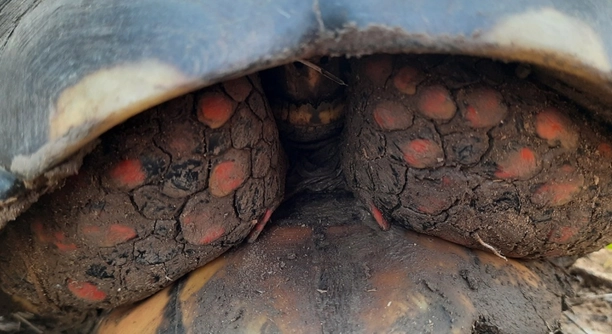
For a red-footed tortoise, maintaining the right temperature is essential for its health and well-being. Heat lamps are often used, but there are alternative options that can provide a more consistent heat source.
The most effective alternatives to heat lamps for red-footed tortoises include ceramic heat emitters, heat mats, and radiant heat panels. These options offer a steady, adjustable heat source without the risks of high-intensity light, ensuring the tortoise’s environment remains comfortable.
Exploring these alternatives will ensure your tortoise thrives in a safe, well-regulated habitat.
Ceramic Heat Emitters: A Reliable Heat Source
Ceramic heat emitters are a popular alternative to traditional heat lamps for red-footed tortoises. These devices provide consistent warmth without emitting visible light, which can help maintain a natural day-night cycle for your tortoise. Unlike heat lamps, ceramic emitters do not dry out the air, ensuring a more stable humidity level in the enclosure. This is crucial for red-footed tortoises, as they thrive in environments with both heat and humidity.
Although ceramic heat emitters are efficient, it’s important to use them with a thermostat to prevent overheating. Without proper regulation, they can make the environment too hot, which could lead to stress for your tortoise. Make sure the emitter is placed in a safe location where the tortoise can move to cooler areas if needed.
Proper placement and temperature control ensure that ceramic heat emitters can provide a steady, comfortable environment for your tortoise. Their long-lasting nature also makes them a more cost-effective option in the long run, as they require less frequent replacements than heat lamps.
Heat Mats for Consistent Warmth
Heat mats are another effective option.
These mats can be placed underneath the enclosure or used to heat specific areas of the habitat. They deliver a gentle, even heat that helps your red-footed tortoise regulate its body temperature. Heat mats are ideal for maintaining a warm substrate, allowing the tortoise to dig and burrow comfortably.
When using heat mats, ensure the substrate is thick enough to prevent the tortoise from coming into direct contact with the mat. Excessive heat directly on the tortoise can be harmful. Place a thermometer inside the enclosure to monitor the temperature and adjust the mat accordingly.
Radiant Heat Panels for Controlled Heat Distribution
Radiant heat panels provide an excellent alternative to heat lamps by offering even heat distribution. These panels generate infrared heat, warming the environment without drying it out. This type of heat can mimic the warmth your tortoise would experience under natural conditions.
The panels are typically mounted on the top or side of the enclosure, providing warmth that radiates down to the tortoise. They are effective in maintaining stable temperatures and are less likely to cause hot spots. This can make the habitat more comfortable, especially during cooler months.
Radiant heat panels are ideal for creating a more natural environment where your tortoise can enjoy consistent warmth, even when moving around. They’re also energy-efficient, as they use less power than traditional heat lamps. Proper placement is key to ensure the tortoise stays within a safe temperature range, preventing overheating or underheating.
Heat Rocks for Localized Heating
Heat rocks offer a localized heat source that can be especially beneficial for red-footed tortoises.
They can be placed on the floor of the enclosure, providing warmth directly to your tortoise’s body when it chooses to rest on them. Heat rocks are easy to use and provide a consistent heat output without requiring much maintenance. However, they should be used carefully to prevent burns, as they can get quite hot.
For best results, monitor the temperature carefully, ensuring it stays within safe levels for your tortoise. Heat rocks should not be the sole heat source, but rather used as a supplement to other methods. It’s important to check for overheating frequently to avoid harm. These rocks should never be placed where the tortoise cannot move away from them if needed.
Under Tank Heaters for Effective Warmth
Under tank heaters provide heat from the bottom of the enclosure, creating a warm area for your tortoise to rest. They are easy to install and efficient in maintaining the right temperature in the substrate.
These heaters are subtle but effective, ensuring that the heat is delivered directly to the substrate, which is vital for your tortoise’s comfort. They help maintain humidity levels while providing steady warmth.
Thermostats for Temperature Control
Using a thermostat with any heat source is crucial for maintaining consistent temperatures.
A thermostat ensures that your tortoise’s habitat stays within a safe temperature range. It prevents overheating or underheating, offering peace of mind that your tortoise is comfortable and healthy. Proper control is key for successful temperature regulation.
Setting Up a Balanced Habitat
Maintaining balance in your tortoise’s habitat requires combining different heat sources and proper ventilation.
You want to create a warm, humid environment that mimics its natural habitat. This requires not only heat but also humidity control, which will support your tortoise’s overall health. Combining heat sources like mats, panels, and emitters can ensure optimal warmth.
FAQ
What is the best heat source for red-footed tortoises?
The best heat source for red-footed tortoises is a combination of heat emitters, heat mats, and radiant heat panels. These options provide stable warmth without drying out the environment. A ceramic heat emitter or radiant heat panel is preferred because it ensures even, long-lasting heat without emitting light, helping maintain a natural day-night cycle.
Can I use a regular heat lamp for my tortoise?
Regular heat lamps can be used, but they are not ideal for red-footed tortoises. Heat lamps emit light, which can disrupt their natural circadian rhythm. Additionally, they can dry out the air, making it harder to maintain proper humidity levels. If you use a heat lamp, ensure it’s paired with a humidity control system.
How do I prevent overheating in my tortoise’s habitat?
Overheating can be avoided by using a thermostat with your heat source to regulate temperature. You should also make sure the heat source is placed high enough to avoid direct contact with your tortoise. Monitor temperatures regularly and adjust the settings to keep the habitat within safe limits, ideally between 75-85°F (24-29°C).
How often should I check the temperature in my tortoise’s enclosure?
It is important to check the temperature at least twice a day, especially if you’re using electric heat sources. Ensure both the warm and cooler areas of the habitat are within the ideal temperature range. A thermometer or digital hygrometer will help you accurately monitor both temperature and humidity levels.
Can I use a heat mat for my tortoise?
Yes, heat mats can be used effectively under the tank or in certain sections of the habitat. They provide gentle, consistent heat that mimics the warmth your tortoise would feel in its natural environment. Make sure the mat is placed under the substrate so your tortoise can move to cooler spots if needed.
What are the risks of using heat rocks?
Heat rocks can pose a risk if they become too hot, as they can cause burns to your tortoise. Always monitor the temperature of the heat rock with a thermometer to ensure it doesn’t exceed safe levels. Heat rocks should be used with caution and never as the primary heat source.
How do I maintain humidity in my tortoise’s enclosure?
Maintaining humidity is important for your tortoise’s health. Use a humidifier or mist the enclosure regularly to keep the humidity levels between 60-80%. Ensure there’s enough ventilation to prevent mold, and consider adding a shallow water dish for extra moisture.
Are heat panels better than heat bulbs for tortoises?
Heat panels are often better than heat bulbs for red-footed tortoises because they provide infrared heat without emitting light. This helps regulate the temperature more evenly and reduces stress on your tortoise. Heat bulbs, while effective, can dry out the habitat and disrupt their natural day-night cycle.
Should I provide a basking spot for my tortoise?
Yes, providing a basking spot is important. Your tortoise needs a warmer area to regulate its body temperature. Basking spots should be set up with a heat source like a ceramic heat emitter, but be sure to offer a cooler area for your tortoise to move to when it needs to cool down.
What temperature should my tortoise’s basking spot be?
The basking spot should be between 90-95°F (32-35°C). This provides your red-footed tortoise with enough warmth for digestion and metabolic functions. Ensure the rest of the enclosure is cooler, allowing your tortoise to move between different temperatures based on its needs.
Final Thoughts
When it comes to providing the right heat for your red-footed tortoise, choosing the proper alternatives to heat lamps is essential for their well-being. While heat lamps can be effective, they can also cause issues such as excessive dryness or disrupting the natural light cycle. It’s important to consider heat sources like radiant heat panels, under-tank heaters, or heat emitters, which provide more stable warmth. These options mimic the natural environment better and help maintain a consistent temperature throughout the day and night.
Incorporating a thermostat is crucial for ensuring the enclosure stays within safe temperature ranges. Monitoring the habitat regularly, using a thermometer, and adjusting the heat sources as needed will prevent temperature fluctuations that could harm your tortoise. Also, balancing humidity levels with heat sources is just as important. Red-footed tortoises thrive in environments where both temperature and humidity are carefully controlled. Using a humidifier or regular misting can help maintain the moisture levels necessary for their health.
Finally, a mix of heat sources, proper placement, and careful monitoring will create a more natural, comfortable home for your tortoise. It’s not just about heat; it’s about the overall habitat. Always prioritize safety and comfort by ensuring the heat sources are not too intense or too weak, allowing your tortoise to feel secure in its environment. By using heat panels, heat mats, and other alternatives, you can create a healthy, thriving space for your red-footed tortoise to enjoy.

Hello,
If you enjoy the content that we create, please consider saying a "Thank You!" by leaving a tip.
Every little bit helps us continue crafting quality advice that supports the health, happiness, and well-being of pets around the world, for pets of all shapes, sizes, and species.
We really appreciate the kindness and support that you show us!