
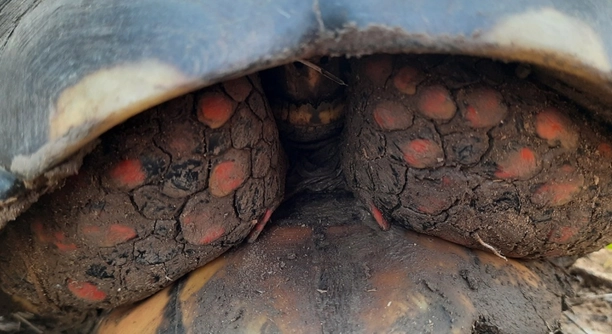
Feeding your red-footed tortoise a healthy diet is essential for its well-being. Choosing the right fruits ensures proper nutrition and supports its overall health. This article will explore the best fruits to feed your tortoise and the recommended frequency.
Red-footed tortoises benefit from a varied diet that includes fruits high in vitamins and fiber. The best fruits to feed them are those rich in calcium and low in oxalates, such as papaya, mango, and berries. Offer fruit in moderation to prevent excess sugar intake.
Feeding your tortoise the right fruits will help maintain its health. Keep reading to learn about the best fruits and how often you should offer them for a balanced diet.
Best Fruits for Red-Footed Tortoises
Red-footed tortoises enjoy a variety of fruits, but not all fruits are equally beneficial. It’s important to offer fruits that are low in sugar but rich in vitamins. Some fruits, like berries, are ideal because they provide a mix of nutrients that help maintain your tortoise’s health. When selecting fruits, ensure they are fresh and pesticide-free, as toxins can harm your tortoise.
You can safely feed your tortoise fruits such as papaya, mango, and berries. These fruits provide essential vitamins and minerals while being gentle on their digestive system. However, it’s crucial to offer them in moderation, as fruits with high sugar content can cause imbalances.
Fruit should complement a tortoise’s overall diet, which should also include leafy greens and some vegetables. Too much fruit can lead to excessive weight gain or other health issues. By offering a mix of fruits alongside appropriate portions of leafy greens, your red-footed tortoise will enjoy a balanced, nutritious diet.
How Often to Feed Your Red-Footed Tortoise Fruits
Fruits should be fed to your tortoise around two to three times a week. This ensures they get the nutrients they need without overloading on sugar.
Moderation is key when feeding red-footed tortoises fruits. While they can enjoy a variety of fruits, overfeeding can lead to obesity and digestive issues. Balancing fruits with other types of food will help maintain their health over time.
Benefits of Papaya for Red-Footed Tortoises
Papaya is an excellent fruit for red-footed tortoises. It’s rich in vitamins A and C, which support their immune system and overall health. The fruit is also packed with fiber, aiding digestion.
Papaya can help boost your tortoise’s digestion due to its high water content and enzyme profile. The fruit’s soft, fleshy texture is easy for tortoises to chew and consume. Papaya also contains carotenoids, which are beneficial for their eye health. Feed it in moderation, as too much can cause diarrhea.
Offering papaya to your tortoise can be a treat they enjoy while providing essential nutrients. It’s a great choice for a balanced diet, but should not replace the leafy greens they need for daily nourishment. Offering it occasionally will help support your tortoise’s health and vitality.
Mango as a Healthy Snack
Mangoes are another great option for red-footed tortoises. Packed with vitamins A, C, and E, mangoes can help maintain healthy skin, boost their immune system, and improve their overall well-being.
This tropical fruit also provides a good amount of fiber, aiding in digestion. The high sugar content means it should be offered sparingly, typically only once a week. Mangoes can help your tortoise absorb other nutrients from their diet more effectively. Be sure to peel the skin before feeding mango, as it can be hard for tortoises to digest.
While mango is a nutritious fruit, it should always be treated as a supplement to their primary food sources, such as leafy greens. Providing a mix of different fruits alongside vegetables will keep their diet balanced and varied.
Berries: A Nutritious Option
Berries such as strawberries, blueberries, and raspberries are great for red-footed tortoises. They provide antioxidants and vitamins, which help keep your tortoise healthy. Berries are also high in water content, keeping them hydrated.
Berries are rich in fiber and help with digestion. However, due to their sugar content, they should only be fed occasionally. You can mix them with other fruits or offer them as a special treat. Always wash them thoroughly to remove any pesticides or chemicals.
These small fruits can be a fun and healthy addition to your tortoise’s diet. Be sure to avoid overfeeding to maintain a balanced nutritional plan.
Apples for Red-Footed Tortoises
Apples can also be a good fruit for red-footed tortoises when given in moderation. They provide essential nutrients like fiber and vitamin C, promoting digestion and overall health.
When feeding apples, remove the seeds as they contain cyanide, which is harmful to tortoises. You can slice the apple into small pieces for easier consumption. While apples are low in oxalates, they are still relatively high in sugar, so they should not be a regular part of their diet.
Offering apples occasionally, as part of a varied fruit selection, will give your tortoise a healthy treat while ensuring they get the right nutrients.
FAQ
How much fruit should I feed my red-footed tortoise?
Fruits should be offered in moderation, about two to three times a week. A small amount is enough to supplement their diet without overloading them with sugar. Too much fruit can lead to digestive issues or obesity. The focus should be on leafy greens and other vegetables to ensure they get the essential nutrients they need.
Can red-footed tortoises eat citrus fruits?
Citrus fruits like oranges and lemons should be avoided. They are too acidic and can cause digestive upset in red-footed tortoises. While the occasional small piece of citrus might not harm them, it’s best to stick to safer fruit options like berries, papayas, and mangoes.
Are grapes safe for red-footed tortoises?
Grapes are not the best choice for tortoises, as they are high in sugar and can cause health problems when eaten in large quantities. If you do feed grapes, make sure to remove the skin and offer them sparingly. Stick to other fruits that are better for digestion and overall health.
Can I feed my tortoise dried fruits?
Dried fruits are not recommended for red-footed tortoises. They are concentrated in sugar, and the drying process removes much of the water content, which can lead to dehydration. Fresh fruits are always a better choice, as they provide the necessary hydration and nutrients.
Should I remove the seeds from fruits?
Yes, you should always remove seeds from fruits before feeding them to your red-footed tortoise. Certain seeds, such as apple seeds, contain cyanide, which is toxic to tortoises. Additionally, seeds may be difficult for your tortoise to digest, so it’s safer to remove them.
Can I feed my tortoise tropical fruits regularly?
Tropical fruits like papayas and mangoes are a good source of vitamins, but they should not be fed daily. They are high in sugars, so it’s best to offer them in moderation. Rotate different fruits to provide variety and ensure a balanced diet for your tortoise.
Is watermelon a good fruit for my tortoise?
Watermelon can be a good occasional treat for red-footed tortoises, especially on hot days. It’s high in water content, which helps with hydration. However, watermelon is also high in sugar and should only be given sparingly. Offering it alongside other fruits like berries or papaya will provide a more balanced snack.
What about bananas? Can red-footed tortoises eat them?
Bananas are safe for tortoises, but they should be fed in moderation. They are high in potassium and fiber, which are beneficial, but the high sugar content means they should not be a regular part of the diet. Slice them into small pieces to make it easier for your tortoise to eat.
Can red-footed tortoises eat fruit with the skin on?
It’s best to remove the skin from fruits like apples, mangoes, or peaches before feeding them to your tortoise. While some skins are safe to eat, they may be harder for your tortoise to digest. If the skin is thin and pesticide-free, you can leave it on, but it’s safer to peel it.
Can I feed my tortoise fruit salads?
Fruit salads can be a great way to offer variety in your tortoise’s diet. Mix fruits like papaya, berries, and mango in small amounts to provide a balanced selection of vitamins. Just remember to avoid fruits that are too sugary or acidic, like citrus, and focus on nutritious options.
Are all fruits safe for red-footed tortoises?
Not all fruits are safe for red-footed tortoises. Avoid feeding them fruits that are too high in sugar or acid, such as citrus fruits or grapes. Stick to fruits like papaya, mango, and berries, which are nutrient-rich and easier on their digestive system.
How can I tell if my tortoise is eating too much fruit?
If your tortoise is eating too much fruit, you may notice signs of obesity, lethargy, or digestive issues such as diarrhea. Keep an eye on their weight and energy levels. If any of these symptoms appear, reduce the amount of fruit and focus more on leafy greens and vegetables.
Can I feed my tortoise fruit if they are sick?
If your tortoise is unwell, consult a veterinarian before making changes to their diet. While fruits can be a nutritious treat, they are not a cure for illness. Depending on the condition, a specific diet may be recommended to support recovery.
Can I feed my tortoise the same fruit every day?
Feeding your tortoise the same fruit daily is not recommended. A varied diet is important for providing a wide range of nutrients. Rotate fruits to avoid overloading them with sugar or other imbalances. Offer fruits in moderation as a supplement to their main diet of leafy greens and vegetables.
Final Thoughts
Red-footed tortoises enjoy a varied diet, and fruits can be a healthy addition to their meals. However, it’s important to remember that fruits should only be given in moderation. While they offer essential vitamins and nutrients, too much fruit can lead to digestive problems or obesity. Keeping their diet balanced by focusing on leafy greens and other vegetables will ensure they stay healthy and strong.
Fruits like berries, papayas, and melons provide hydration and are rich in antioxidants, which support overall well-being. However, fruits with high sugar content, like grapes or bananas, should only be offered occasionally. It’s crucial to be mindful of the types of fruit you feed your tortoise and how often you offer them. Avoid fruits that are too acidic, such as citrus, which can upset their stomach and cause discomfort.
By following these guidelines, you can create a nutritious diet for your red-footed tortoise. Providing a variety of fruits along with leafy greens and vegetables will keep your tortoise happy and healthy. Always remember to remove seeds from fruits and wash them thoroughly before serving. Monitoring their health and adjusting their diet as needed will help ensure a long and healthy life for your pet.

Hello,
If you enjoy the content that we create, please consider saying a "Thank You!" by leaving a tip.
Every little bit helps us continue crafting quality advice that supports the health, happiness, and well-being of pets around the world, for pets of all shapes, sizes, and species.
We really appreciate the kindness and support that you show us!