
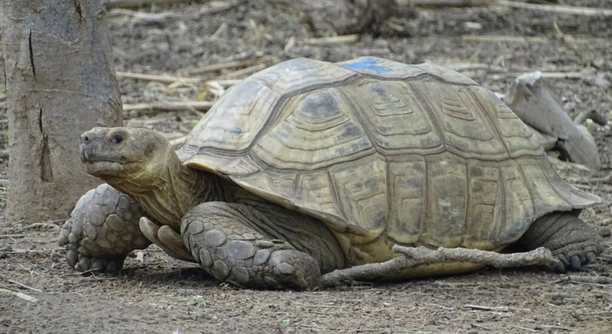
Are your tortoises getting the proper nutrients they need to grow strong and healthy? As their diet plays a crucial role in their overall well-being, providing the right foods is essential for supporting their growth and development.
Tortoises require a variety of nutrient-rich foods to support their growth. The best options include leafy greens, vegetables, fruits, and certain proteins. These foods provide the necessary vitamins, minerals, and fiber to maintain their health and vitality.
Feeding your tortoise the right foods will ensure they grow properly and remain active. Proper nutrition is key to their long-term health.
Leafy Greens for Healthy Growth
Leafy greens should be a primary part of your tortoise’s diet. These vegetables are rich in fiber and essential nutrients like calcium and vitamins A and C. Common choices include dandelion greens, collard greens, mustard greens, and kale. These greens are not only highly nutritious but also help with digestion, which is crucial for tortoises’ well-being.
Incorporating a variety of greens ensures your tortoise gets a wide range of vitamins and minerals. You can rotate between these options to keep their meals interesting and balanced. Just be cautious with spinach, as it can interfere with calcium absorption.
Leafy greens also mimic the types of vegetation tortoises would naturally consume in the wild, supporting their instinctual dietary habits. They are easy to prepare, can be served raw, and can be mixed with other vegetables or fruits for variety. Just make sure they are thoroughly washed to remove any pesticides or harmful chemicals before feeding them to your pet.
Vegetables: The Foundation of a Healthy Diet
Vegetables are a great source of vitamins and minerals for tortoises. Carrots, bell peppers, and zucchini are popular choices.
Including a variety of vegetables helps meet your tortoise’s nutritional needs. These foods provide vitamins, such as vitamin A, which helps maintain good eyesight. Vegetables also support proper growth and help prevent nutritional deficiencies. While tortoises need mostly plant-based food, the right vegetable mix supports their overall health. When preparing vegetables, chop them into manageable pieces for easy consumption. Avoid starchy vegetables like potatoes or corn as they do not contribute much to a balanced diet.
Fruits: A Tasty Treat
Fruits are a great way to provide your tortoise with natural sugars and extra hydration. Options like strawberries, apples, and melons are excellent choices. However, fruits should be given in moderation due to their sugar content.
Fruit can be served as a special treat or mixed with leafy greens. Just be sure to remove any seeds or pits, as they could pose a choking hazard. Fresh fruits like watermelon and cantaloupe also help hydrate your tortoise, especially during warmer months. However, it’s important to avoid fruits high in oxalates, like rhubarb, which can affect calcium absorption.
Offer a variety of fruits throughout the week, ensuring they remain balanced with vegetables and greens. This keeps their diet diverse and appealing. As with any food, it’s essential to avoid overfeeding. A small portion of fruit a few times a week is sufficient to keep your tortoise happy and healthy.
Protein for Growth
Adding a small amount of protein to your tortoise’s diet can support muscle growth and overall health. While tortoises are mostly herbivores, some species may require occasional protein.
You can provide protein through insects such as mealworms, crickets, and worms. These should only be given in moderation, as too much protein can lead to health issues like kidney strain. Additionally, some tortoises may enjoy small amounts of cooked egg or tofu. It’s important not to overdo it, as excess protein can cause imbalances in their diet.
Ensure the protein you provide is appropriately sized for your tortoise, and avoid feeding them anything too large. Once or twice a week is usually enough for most tortoises, depending on their species. Stick to high-quality, natural sources of protein to keep their diet safe and beneficial.
Flowers and Plants
Edible flowers like hibiscus, dandelions, and pansies make a great addition to your tortoise’s diet. They’re packed with nutrients and are safe for most species. These flowers can be picked fresh from your garden, but make sure they haven’t been exposed to pesticides.
You can add these flowers to their meals for a colorful, nutritious treat. Many tortoises enjoy the variety and texture that edible flowers provide. However, always ensure that the flowers you choose are non-toxic and safe for consumption. This extra addition to their diet can help keep their meals exciting.
Cactus and Succulents
Cactus pads and succulents are another excellent food choice for your tortoise. They’re low in oxalates and high in fiber, making them beneficial for digestion. Prickly pear cactus, for example, is a nutritious option that many tortoises enjoy.
Be sure to remove the spines before feeding them to your pet. The fleshy pads of cacti are rich in water, which can help keep your tortoise hydrated. This is especially beneficial during hot weather. Offering cactus and succulents can also provide a variety of textures and flavors, making it an enjoyable part of their diet.
FAQ
What foods should I avoid feeding my tortoise?
Avoid feeding your tortoise foods high in oxalates, such as spinach and rhubarb. These can interfere with calcium absorption and lead to kidney issues over time. Additionally, avoid feeding them iceberg lettuce, as it has little nutritional value and can cause digestive problems. Similarly, citrus fruits like oranges can upset their stomach and cause digestive distress. Processed human food, dairy, and high-fat items should also be excluded from their diet. Stick to natural, fresh options to ensure they get the nutrients they need.
How often should I feed my tortoise?
The frequency of feeding depends on your tortoise’s age and species. Younger tortoises typically require daily feeding, while adults may only need food every other day. You should aim for a balanced meal of vegetables, fruits, and greens. Providing food every day for young tortoises helps promote proper growth and development. For adults, reducing the frequency can help prevent overeating and obesity. Always observe your tortoise’s behavior and adjust their feeding schedule based on their activity level and appetite.
Can I feed my tortoise only one type of food?
Feeding your tortoise only one type of food is not ideal. A varied diet is essential for their overall health. Different foods offer different nutrients, and relying on one food could result in nutritional deficiencies. For example, while leafy greens are excellent, they don’t provide all the necessary vitamins and minerals. Offering a mix of greens, vegetables, fruits, and proteins ensures your tortoise gets a wide range of nutrients, which supports their growth and health in the long run. Variety also keeps their meals interesting and enjoyable.
Should I wash the food before feeding it to my tortoise?
Yes, it’s important to wash the food before feeding it to your tortoise. Fresh fruits and vegetables may contain pesticides, bacteria, or other harmful chemicals that could harm your pet. Rinsing the food thoroughly helps remove these residues and ensures it is safe to eat. If you’re using store-bought produce, consider buying organic or washing the food with a mild vinegar solution to further reduce pesticide exposure. Cleaning the food also helps remove dirt or insects, ensuring a cleaner and healthier meal.
Can I feed my tortoise fruits every day?
Fruits should be fed to your tortoise in moderation. While fruits provide a good source of vitamins and hydration, they are also high in natural sugars. Overfeeding fruits can lead to digestive issues and obesity. It’s best to limit fruit intake to two or three times a week, ensuring the rest of their diet consists of vegetables, leafy greens, and other essential foods. You can offer fruits as a treat or mix them with their regular diet to provide variety, but always be mindful of the portion sizes.
Can my tortoise eat grass from my yard?
Grass from your yard can be a good source of food for your tortoise, but only if it has not been treated with pesticides, herbicides, or other chemicals. Many tortoises enjoy grazing on grass, and it can help mimic their natural feeding behavior. However, always ensure the grass is free of harmful substances. If you’re unsure whether the grass is safe, it’s better to stick with commercially available grass hays like timothy hay. Be sure to supervise your tortoise while they graze to ensure they are eating safe and healthy food.
Is it okay to feed my tortoise dried food?
Dried food, such as dried vegetables or fruits, can be fed to your tortoise, but it should not replace fresh food. While dried food may be convenient, it can lack the necessary moisture content that fresh produce provides. It’s best to use dried food as a supplement or treat, rather than as a main food source. If using dried foods, always rehydrate them before offering them to your tortoise to ensure they get enough water. Fresh, hydrated food should always be the primary component of their diet.
How can I tell if my tortoise is overfed or underfed?
An overfed tortoise may show signs of obesity, such as a lack of mobility or a visibly rounded body shape. They may also become lethargic or have difficulty moving around. An underfed tortoise, on the other hand, may appear thin with a sunken shell or lack of energy. You should also monitor your tortoise’s eating habits; if they are not finishing their food, they may not be hungry or are getting too much. Regularly weighing your tortoise and checking their overall body condition can help determine if their diet is appropriate.
Should I supplement my tortoise’s diet with vitamins or calcium?
Supplementing your tortoise’s diet with calcium is essential, especially for species that require higher calcium intake for proper shell and bone development. Dusting their food with calcium powder is a common practice. Some tortoises also benefit from vitamin D3 supplementation, particularly if they don’t get enough natural sunlight or UVB light. However, it’s important not to over-supplement, as excess vitamins or minerals can cause health problems. Always consult a veterinarian to determine the specific needs of your tortoise and whether supplementation is necessary.
Can I feed my tortoise protein every day?
Protein should not be a daily part of your tortoise’s diet. While some tortoises, like omnivores, can tolerate occasional protein, the majority of their diet should come from plant-based sources. Overfeeding protein can lead to kidney problems, shell deformities, and other health issues. It’s best to offer protein, such as insects or cooked eggs, once or twice a week, depending on your tortoise’s species and age. Too much protein can upset the balance of their diet, so moderation is key. Always research the specific needs of your tortoise’s species.
Final Thoughts
When caring for a growing tortoise, understanding its dietary needs is crucial to maintaining its health and well-being. A well-balanced diet helps ensure that your tortoise grows strong, maintains a healthy shell, and stays active. The right foods can provide the essential vitamins, minerals, and hydration necessary for its development. By offering a variety of safe foods, you can keep your tortoise engaged and satisfied with its meals.
Remember to focus on fresh, natural foods and avoid processed items, which can lead to health problems over time. Vegetables, leafy greens, flowers, and fruits should be included in their daily meals in moderation. Foods rich in calcium and fiber, such as dandelions and cactus pads, are particularly beneficial. While offering treats like fruits and edible flowers is a great way to add variety, it’s important not to overdo it, as too many sugary foods can upset the balance of your tortoise’s diet.
Lastly, always stay mindful of the specific needs of your tortoise’s species. Not all tortoises have the same dietary requirements, so it’s important to research your pet’s particular needs. For example, some species might require more protein, while others thrive on mostly plant-based diets. Adjusting their meals based on their age, size, and species ensures they get the best possible care. Keeping their environment clean and ensuring proper hydration are also vital components of a healthy tortoise lifestyle. By providing the right foods and taking good care of their overall needs, you can help your tortoise thrive for many years to come.

Hello,
If you enjoy the content that we create, please consider saying a "Thank You!" by leaving a tip.
Every little bit helps us continue crafting quality advice that supports the health, happiness, and well-being of pets around the world, for pets of all shapes, sizes, and species.
We really appreciate the kindness and support that you show us!