
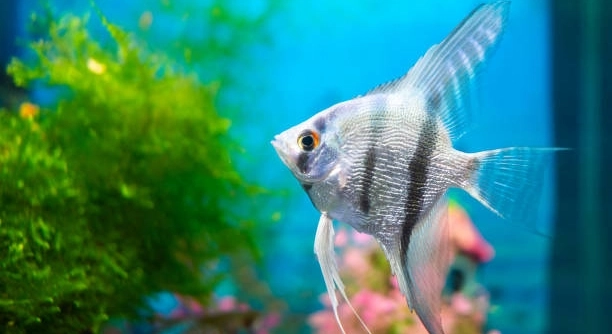
Angelfish are beautiful, vibrant creatures that require proper care to thrive. A key part of their well-being is maintaining a balanced diet. What you feed them directly impacts their health, energy, and happiness in the tank.
The best foods for keeping angelfish healthy and happy include a mix of high-quality flakes, pellets, live food, and occasional treats like brine shrimp. Providing a variety of options ensures they receive essential nutrients for their growth and vitality.
The right food choices can help prevent common health issues and keep your angelfish active and content. Understanding these will guide you in creating a well-rounded diet plan for your fish.
High-Quality Flakes and Pellets
Feeding angelfish flakes and pellets offers a convenient way to provide them with balanced nutrition. High-quality flakes are specially formulated with essential vitamins and minerals that promote growth and overall health. Pellets can be a great supplement, offering a dense source of nutrients that your angelfish can nibble on throughout the day. Opting for flakes and pellets that cater to their specific dietary needs helps maintain their energy levels and bright colors.
When selecting flakes or pellets, look for those that are made with fishmeal as a primary ingredient. This ensures a protein-rich diet, which is vital for your angelfish’s muscle development and immune system support. Also, consider using a mix of floating and sinking varieties to encourage natural foraging behavior.
It’s important not to overfeed your angelfish. Offering the right portion helps avoid water pollution and health issues caused by excess food. Make sure they have access to fresh, high-quality options regularly to keep them healthy.
Live Food for Angelfish
Live food is a great addition to your angelfish’s diet. It mimics their natural feeding habits and provides excellent nutrition. Live foods like brine shrimp, daphnia, and bloodworms offer high levels of protein, promoting healthy growth and maintaining vibrant colors.
Live food should be offered in moderation. Too much live food can lead to an unbalanced diet, causing nutritional deficiencies. It’s best to provide it a few times a week as a treat or supplement to their regular diet. Always ensure the live food is properly sourced to avoid introducing harmful parasites or contaminants.
Including live food in your angelfish’s diet encourages natural hunting behavior, keeping them active and mentally stimulated. Just remember to rinse the food thoroughly before feeding to maintain water quality and avoid any potential risks.
Freeze-Dried Foods
Freeze-dried foods are another excellent option for feeding angelfish. They’re easy to store and can be a great alternative to live food. Freeze-dried brine shrimp, bloodworms, and other offerings retain most of their nutritional value, making them a reliable food source for your fish.
These foods are lightweight and can be stored for long periods without refrigeration. However, it’s important to soak freeze-dried food in water before feeding it to prevent it from expanding inside your fish’s digestive system. This ensures they can digest it properly, avoiding potential health problems caused by blockages.
Freeze-dried foods can also be a convenient option for quick feeding. It’s a great way to add variety to your angelfish’s diet without the need to maintain live cultures. Still, like other foods, they should be offered in moderation alongside other balanced meal options.
Vegetables for Angelfish
While angelfish are primarily carnivorous, they do benefit from the occasional vegetable. Offering blanched spinach, zucchini, or peas provides essential nutrients and fiber that aid digestion. These vegetables are a natural supplement to their protein-rich diet.
Angelfish can be picky eaters, and not all vegetables will be accepted. Introducing vegetables gradually and in small portions helps them adjust. Cutting them into small pieces ensures they’re easy to consume, and blanching softens the texture, making them more appealing to your fish.
Including vegetables can help balance your angelfish’s diet and prevent potential constipation caused by a lack of fiber. Offering vegetables a couple of times a week can improve their digestion and contribute to better overall health.
Homemade Fish Food
Making homemade food for angelfish can be a rewarding way to ensure they receive the best nutrition. Blending a variety of ingredients like shrimp, spinach, and fish flakes provides a fresh, balanced meal. This gives you control over what goes into their diet.
Homemade fish food is easy to prepare and can be stored in ice cube trays for later use. Simply blend the ingredients together, freeze, and serve small portions as needed. This eliminates the risk of unnecessary additives or preservatives found in some store-bought options, promoting healthier fish.
By making your own fish food, you can customize the nutrition to meet the specific needs of your angelfish. It also ensures that they get a varied and fresh diet, which can lead to improved health and vibrant colors.
Garlic for Angelfish
Garlic is a natural supplement that can benefit angelfish. It has antibacterial properties and can help boost their immune system. Adding a small amount of garlic to their food can promote overall health and prevent some common fish diseases.
Garlic can also encourage finicky eaters to try new foods. If your angelfish are hesitant to eat certain items, adding a small amount of garlic can make the food more appealing. It’s essential not to overdo it, though, as too much garlic can be harmful.
Using garlic as an occasional supplement can enhance your angelfish’s health while helping them maintain their appetite and energy levels. Just be sure to use it in moderation to avoid any negative effects.
FAQ
What are the best foods for angelfish?
The best foods for angelfish are high-quality flakes, pellets, and a variety of live and freeze-dried foods. Offering them a balanced diet that includes protein from fishmeal, vitamins, and minerals is essential for their health. Adding vegetables like spinach or peas can also be beneficial, as they help with digestion and provide fiber.
Can I feed angelfish only flakes?
While flakes are a convenient and nutritious option, feeding angelfish only flakes may not provide the variety they need. Including live food, freeze-dried options, and occasional vegetables ensures they receive a well-rounded diet. Flakes should be a staple, but diversity is important for their overall health.
How often should I feed my angelfish?
Angelfish should be fed two to three times a day, offering small amounts that they can consume within a few minutes. Overfeeding can lead to water quality issues, so it’s important to monitor portion sizes. Adjust feeding frequency based on the fish’s activity and appetite levels.
Can I feed angelfish vegetables?
Yes, angelfish can eat vegetables, though they are primarily carnivorous. Offering vegetables like spinach, zucchini, or peas in small portions helps provide additional nutrients and fiber. Blanching the vegetables makes them softer and easier for your angelfish to eat.
What live food is best for angelfish?
Live food like brine shrimp, daphnia, and bloodworms are excellent choices for angelfish. These options are rich in protein and promote healthy growth and vibrant colors. Live food should be offered a few times a week as a supplement to their regular diet, not as their primary food source.
How do I feed my angelfish freeze-dried food?
Freeze-dried food should be soaked in water before feeding it to your angelfish. This helps prevent it from expanding in their digestive system, which can cause discomfort or health issues. Offer freeze-dried food in moderation, alongside other balanced diet options like flakes and pellets.
Can I make homemade food for my angelfish?
Homemade fish food is a great way to ensure your angelfish get the best nutrition. You can blend ingredients like shrimp, spinach, and fish flakes, then freeze them for later use. Homemade food allows you to customize the ingredients to suit your fish’s specific needs, ensuring a varied and fresh diet.
How often should I feed live food to angelfish?
Live food should be fed to angelfish two to three times a week as a treat or supplement. It provides protein and encourages natural hunting behaviors, keeping your fish active. Be careful not to rely too heavily on live food, as an unbalanced diet can lead to health problems.
Is garlic good for angelfish?
Garlic is beneficial for angelfish when used in moderation. It has natural antibacterial properties and can help boost their immune system. Adding a small amount of garlic to their food can also encourage them to eat if they are picky eaters. However, it should not be overused.
What should I avoid feeding my angelfish?
Avoid feeding angelfish foods that are high in fat, such as oily fish or processed human food. Also, steer clear of feeding them food that could pollute the tank, like leftover or uneaten food. Foods like onions, citrus fruits, or anything too acidic should be avoided, as they can harm your fish.
Can angelfish eat flakes and pellets exclusively?
Flakes and pellets can make up the bulk of an angelfish’s diet, but variety is key. Feeding only flakes and pellets can lead to nutritional imbalances over time. Supplementing with live or freeze-dried foods, vegetables, and occasional treats helps to ensure a more well-rounded diet for your angelfish.
Final Thoughts
Providing the right food for your angelfish is key to keeping them healthy and happy. A well-balanced diet, consisting of high-quality flakes, pellets, live foods, and occasional vegetables, ensures your angelfish get the nutrition they need for proper growth and vibrant colors. Incorporating variety into their meals not only prevents them from becoming picky eaters but also helps maintain their energy levels and supports their immune system. It’s important to remember that overfeeding can lead to water quality problems, so always offer appropriate portion sizes and remove any uneaten food after a few minutes.
In addition to providing quality food, it’s also important to consider the feeding habits and preferences of your angelfish. Some may prefer certain types of food over others, and it may take some time for them to adjust to new options. Offering a mix of live, frozen, and freeze-dried foods, along with occasional vegetables, will give them a balanced diet that mimics what they would naturally consume in the wild. Homemade food is another great option to ensure your fish are getting the best, most natural ingredients without unnecessary additives.
Lastly, consistency in feeding and water maintenance is essential to the overall health of your angelfish. Regular water changes and monitoring tank conditions help keep the environment stable, reducing the risk of illness. Remember that fish, like all pets, require proper care and attention. By offering the right foods and maintaining a clean, stable environment, your angelfish will thrive and remain active and beautiful for years to come.

Hello,
If you enjoy the content that we create, please consider saying a "Thank You!" by leaving a tip.
Every little bit helps us continue crafting quality advice that supports the health, happiness, and well-being of pets around the world, for pets of all shapes, sizes, and species.
We really appreciate the kindness and support that you show us!