
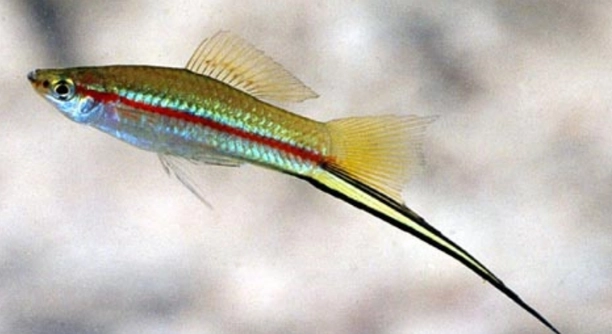
Swordtails are active, vibrant fish that require a balanced diet to stay healthy. Providing the right foods can help enhance their color, boost energy, and improve overall well-being. The right nutrition is key to their longevity.
The best foods for swordtails are those rich in protein, vitamins, and minerals. Foods like brine shrimp, daphnia, and high-quality flakes or pellets contribute to their overall health. A varied diet supports their immune system and promotes vibrant colors.
Offering the right mix of food helps maintain your swordtail’s health and vitality. These foods support their immune system and encourage a long, happy life in your aquarium.
Brine Shrimp: A Protein Boost for Your Swordtail
Brine shrimp are a fantastic protein-packed food for swordtails. They help with muscle development, growth, and overall vitality. These tiny creatures are rich in essential fatty acids and amino acids that support your swordtail’s energy levels. Feeding brine shrimp to your fish will encourage natural hunting behavior and provide a much-needed nutritional boost.
While they are excellent for your fish, you should feed brine shrimp in moderation. Offering too many can cause your swordtail to become overweight. It’s best to balance brine shrimp with other foods, such as vegetables or fish flakes, to maintain a healthy diet.
Brine shrimp are easy to find, either frozen or live, making them a convenient addition to your swordtail’s diet. They are particularly helpful for breeding swordtails as they support the growth of young fish. Make sure to offer them alongside a variety of other foods to give your fish the best possible nutrition.
Daphnia: A Natural Supplement
Daphnia, also known as water fleas, are a great supplement to swordtail diets. They provide essential minerals and vitamins.
Daphnia can be fed live or frozen, and they help support your swordtail’s digestive system. Their small size makes them easy for swordtails to eat, encouraging natural hunting behavior.
High-Quality Fish Pellets
High-quality fish pellets are an essential part of a swordtail’s diet. They provide a balanced mix of protein, vitamins, and minerals. Swordtails thrive on pellets that are specifically formulated for freshwater fish, ensuring they get all the nutrients they need to stay healthy.
Pellets are easy to feed and convenient. They float on the surface, allowing swordtails to nibble throughout the day. Make sure to select a pellet that includes spirulina, which supports your swordtail’s immune system. These pellets also contribute to healthy digestion and promote vibrant colors in your fish.
To get the best results, feed your swordtail a small amount of pellets daily. Overfeeding can lead to water quality issues, so it’s important to avoid excess food. A varied diet, including pellets, ensures they get all the necessary nutrients for long-term health.
Vegetables: A Healthy Supplement
Vegetables are an important addition to your swordtail’s diet. Leafy greens such as spinach, kale, and lettuce provide essential fiber and vitamins.
Vegetables help to enhance digestion and prevent constipation in swordtails. They also promote healthy skin and scale growth, which is crucial for their overall well-being. Offering vegetables encourages natural grazing behavior, allowing swordtails to enjoy a varied diet. Always blanch vegetables before feeding them to make them easier for your fish to eat.
Frozen Bloodworms
Frozen bloodworms are another excellent food choice for swordtails. They provide a rich source of protein, making them ideal for growth and muscle development. Swordtails love the taste of bloodworms, which makes it an easy way to add variety to their diet.
They also contain nutrients that support the immune system. Just be sure to thaw them properly before feeding to avoid disrupting your tank’s water quality. Bloodworms can be offered as a treat a few times a week, balancing out the rest of their diet.
Live Worms
Live worms, such as blackworms or earthworms, are a great way to keep your swordtails active and engaged. They stimulate natural hunting instincts.
Worms are rich in protein and essential nutrients, promoting muscle growth and overall health. Offering live worms occasionally can help maintain your swordtail’s natural behaviors and provide a fun feeding experience.
FAQ
What are the best foods for swordtails?
The best foods for swordtails include protein-rich options like brine shrimp, bloodworms, and live worms. You should also offer high-quality fish pellets, supplemented with vegetables like spinach or kale. A varied diet ensures your swordtail gets the essential nutrients it needs to thrive. Fresh or frozen foods, along with carefully selected pellets, will help maintain their health and vibrancy.
Can swordtails eat vegetables?
Yes, swordtails can eat vegetables, and they benefit from the fiber and vitamins found in leafy greens like spinach, lettuce, and kale. Offering vegetables regularly helps with digestion and supports overall health. Be sure to blanch the vegetables before feeding to make them easier for your swordtail to eat.
How often should I feed my swordtail?
Swordtails should be fed two to three times a day in small amounts. Overfeeding can lead to water quality issues and obesity. Make sure to provide a variety of foods, and adjust the quantity based on your swordtail’s size and activity level. Remove any uneaten food after a few minutes to maintain water quality.
What size should I feed my swordtail?
Feed your swordtail food that is appropriate for its size. Small pellets or finely chopped vegetables are ideal for younger fish, while adult swordtails can handle larger pellets or whole worms. Adjust the food size to ensure your fish can easily consume it without overfeeding.
Is live food better than frozen food?
Live food offers a more natural feeding experience for swordtails, stimulating their hunting instincts. However, frozen foods can be just as nutritious, especially when properly thawed and served. Both live and frozen foods have their benefits, so a mix of both is ideal for maintaining variety in your swordtail’s diet.
Can I feed my swordtail only pellets?
While high-quality pellets are an important part of a swordtail’s diet, they should not be the only food source. A varied diet that includes live or frozen foods and vegetables will ensure your swordtail gets all the essential nutrients. Pellets alone can lack certain vitamins or nutrients that swordtails need to stay healthy.
How do I know if my swordtail is overfed?
Signs of overfeeding in swordtails include bloating, sluggishness, or excessive waste in the tank. Overfed swordtails may also become overweight. If you notice these signs, reduce the amount of food you’re offering and avoid leaving uneaten food in the tank. Regular water changes will help maintain water quality and prevent any negative effects from overfeeding.
What temperature should the water be for feeding swordtails?
Swordtails thrive in water temperatures between 72°F and 82°F (22°C to 28°C). At these temperatures, they are more likely to be active and hungry, making feeding time more effective. Make sure the tank temperature is stable to keep your swordtail comfortable and healthy.
Can swordtails eat shrimp?
Swordtails can eat shrimp, including brine shrimp and small pieces of other freshwater shrimp. Shrimp can be a great protein source and will encourage natural hunting behaviors. However, larger swordtails may try to eat smaller shrimp, so ensure that the shrimp are an appropriate size for your swordtail.
What should I do if my swordtail is not eating?
If your swordtail isn’t eating, check the water quality first. Poor water conditions can make fish lose their appetite. Ensure the water is within the correct pH, temperature, and hardness range. If water quality is good, try offering a variety of foods, such as live food, pellets, or vegetables, to see what they prefer.
How long can swordtails go without food?
Swordtails can survive for about 2 to 3 days without food, but it’s not ideal to leave them unfed for extended periods. If you’re going on vacation or need to leave for a few days, make sure to have someone feed them or use an automatic feeder to provide food in your absence.
Can swordtails eat too much protein?
Yes, swordtails can have too much protein. An excess of protein can cause health issues like kidney stress, fatty deposits, and obesity. Balance protein with vegetables and other foods that are lower in fat and protein. Offering a variety of foods will ensure they get all the nutrients they need without overdoing any one type.
Are there any foods swordtails should avoid?
Swordtails should avoid foods that are high in fat, salt, or sugar. These include processed human foods like chips or sweets. Additionally, avoid feeding them foods that are not suited for freshwater fish, such as saltwater species or foods high in preservatives. Stick to fish-specific food sources for the best results.
How do I prepare live food for my swordtail?
Live food should be cleaned thoroughly before feeding to your swordtail. Rinse any live worms or insects to remove dirt or contaminants. If you’re feeding live food like brine shrimp, ensure that it is properly cultured in clean water. It’s essential to maintain hygiene to prevent introducing harmful bacteria into your tank.
Can swordtails eat fish flakes?
Fish flakes can be a good option for swordtails as long as they are high-quality and formulated for freshwater fish. Look for flakes that are rich in vitamins and protein. Fish flakes should not be the sole food source, but they can be an easy way to supplement your swordtail’s diet.
Final Thoughts
Maintaining a healthy diet for your swordtail is essential for its overall well-being. A balanced diet, which includes a mix of high-quality pellets, live or frozen food, and vegetables, ensures your swordtail gets the right nutrients. Each food type offers specific benefits, whether it’s protein for growth, fiber for digestion, or vitamins for general health. By providing a variety of foods, you help prevent nutritional deficiencies and support a longer, healthier life for your fish.
While feeding your swordtail, it’s important to focus on portion control. Overfeeding can lead to water quality problems and potential health issues, such as obesity. Monitoring how much food you offer and adjusting portions based on your swordtail’s size and activity level will keep them in good shape. Avoid leaving uneaten food in the tank, as this can affect both the water quality and your fish’s health.
Overall, swordtails are relatively easy to care for, but their diet plays a significant role in their health. By providing them with a variety of fresh, high-quality foods and maintaining proper feeding practices, you ensure they remain vibrant and active. Keep in mind that small adjustments to their diet may be needed over time, depending on their growth or any changes in behavior. With the right care, your swordtail will thrive for years to come.

Hello,
If you enjoy the content that we create, please consider saying a "Thank You!" by leaving a tip.
Every little bit helps us continue crafting quality advice that supports the health, happiness, and well-being of pets around the world, for pets of all shapes, sizes, and species.
We really appreciate the kindness and support that you show us!