
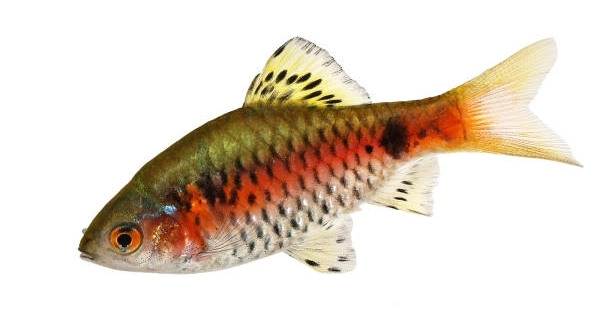
Rosy barbs are popular freshwater fish known for their vibrant colors and active behavior. Caring for them involves more than just a clean tank. Proper nutrition plays a crucial role in maintaining their health and appearance.
Feeding rosy barbs a varied diet rich in protein, vitamins, and minerals supports their immune system, enhances coloration, and promotes overall vitality. Incorporating quality flakes, live or frozen foods, and plant matter ensures balanced nutrition tailored to their needs.
Knowing which foods best support rosy barb health helps maintain a lively and colorful aquarium. The following guide highlights the top options for their diet and wellbeing.
High-Protein Flakes for Daily Feeding
High-protein flakes are a convenient staple in the diet of rosy barbs. These flakes contain essential proteins that help support muscle growth and maintain energy levels. Feeding flakes daily provides a consistent source of nutrition and can be easily combined with other food types. It is important to choose flakes formulated specifically for tropical fish to ensure the right balance of nutrients. Overfeeding should be avoided, as it can lead to water quality issues and health problems for the fish. A moderate portion twice a day is usually sufficient to meet their dietary needs while keeping the tank environment stable.
Supplementing flakes with other food options can boost the variety in your rosy barb’s diet. It also helps prevent boredom and encourages natural foraging behavior. Using flakes as a base diet simplifies feeding routines without sacrificing nutrition.
To keep your rosy barbs healthy, offer flakes that contain at least 40% protein and vitamins like A and C. Rotate feeding with live or frozen foods to improve diet diversity and support immune health.
Live and Frozen Foods
Live and frozen foods add essential nutrients and encourage natural feeding habits in rosy barbs. These options provide proteins, fats, and micronutrients difficult to replicate in flakes alone.
Including live or frozen bloodworms, brine shrimp, or daphnia two to three times per week enriches your fish’s diet. These foods improve coloration and boost immune function. Handling frozen food properly prevents nutrient loss and contamination. Thaw frozen options in tank water before feeding to maintain water quality. Live foods stimulate activity and mimic natural prey, which benefits the fish’s mental and physical health.
Feeding live or frozen foods requires attention to portion size and tank cleanliness. Excess uneaten food should be removed quickly to avoid pollution. Balancing these foods with flakes helps maintain overall health while keeping feeding simple and effective.
Vegetables and Plant Matter
Vegetables provide essential fiber and nutrients that rosy barbs need for digestion and overall health. Including greens in their diet helps maintain a balanced nutrient intake.
Common vegetables like spinach, peas, and zucchini should be blanched before feeding to soften them. These veggies supply vitamins and minerals that support digestion and prevent constipation. Peas are especially useful for clearing the digestive tract. Offering plant matter a few times a week ensures your fish receive nutrients missing from protein-heavy foods.
Incorporating vegetables also mimics the natural diet of rosy barbs, which graze on algae and plants in the wild. This variety promotes better gut health and helps maintain vibrant coloration. Avoid overfeeding to keep the tank clean and prevent leftover food buildup.
Quality Commercial Pellets
Commercial pellets offer a balanced and nutritious option for feeding rosy barbs regularly. Pellets designed specifically for tropical fish provide proteins, fats, and essential vitamins in one package.
Pellets sink slower than flakes, encouraging fish to feed at different water levels. This variety benefits their natural feeding instincts and exercise. Selecting pellets with high-quality ingredients and avoiding fillers ensures optimal health support. Regular use of pellets can enhance growth, immune response, and color vibrancy.
Pellets are easy to store and measure for portion control, reducing waste and water contamination. Including them in the diet alongside flakes and live foods creates a well-rounded feeding routine. Paying attention to ingredient quality will make a difference in your rosy barbs’ wellbeing.
Algae and Natural Grazing
Algae is a natural part of a rosy barb’s diet and provides important nutrients. It is rich in vitamins and minerals that support overall health.
Allowing algae to grow in the tank gives your fish a natural grazing source. This encourages healthy foraging behavior and supplements their diet naturally.
Vitamin Supplements
Vitamin supplements can help fill gaps in your rosy barbs’ diet. These supplements improve immune function and support coloration when added correctly.
Use liquid or powdered vitamins designed for aquarium fish. Follow dosage instructions carefully to avoid overdosing. Adding vitamins occasionally boosts health during stressful times like illness or breeding.
Avoid Overfeeding
Overfeeding can harm your fish and damage water quality. Feeding small portions twice a day helps maintain a clean tank and healthy fish.
FAQ
What is the best food to feed rosy barbs daily?
A high-quality, high-protein flake food made for tropical fish is ideal for daily feeding. These flakes provide essential nutrients, vitamins, and minerals to keep rosy barbs healthy. Using flakes as the main diet simplifies feeding while ensuring balanced nutrition.
Can rosy barbs eat live food?
Yes, live foods like bloodworms, brine shrimp, and daphnia are excellent for rosy barbs. They provide extra protein and stimulate natural hunting instincts. Feeding live food two to three times a week improves coloration and supports immune health.
How often should I feed my rosy barbs?
Feed your rosy barbs small portions twice daily. Overfeeding can pollute the tank and harm the fish. Feeding multiple small meals helps maintain water quality and prevents digestive problems.
Are vegetables necessary in their diet?
Vegetables like peas, spinach, and zucchini are beneficial for rosy barbs. They provide fiber and vitamins that aid digestion and prevent constipation. Offer vegetables a few times a week after blanching to soften them.
Can rosy barbs eat algae?
Yes, rosy barbs naturally graze on algae. Allowing some algae growth in the tank gives them a healthy, natural food source rich in nutrients. It also encourages natural foraging behavior.
Should I use pellets or flakes?
Both pellets and flakes can be part of a balanced diet. Pellets sink slower, encouraging varied feeding behaviors, while flakes are easy to feed daily. Choosing high-quality options ensures proper nutrition.
Do I need to give vitamin supplements?
Vitamin supplements can help fill nutritional gaps, especially during stress or illness. Use fish-specific supplements occasionally and follow dosage instructions carefully to avoid overdosing.
What foods should I avoid?
Avoid feeding rosy barbs fatty human foods, bread, or processed snacks. These can cause health problems and pollute the tank. Stick to fish-specific foods and fresh vegetables for optimal health.
How do I prevent overfeeding?
Feed small portions that your rosy barbs can finish within a few minutes. Remove any leftover food promptly to avoid water quality issues. Consistent portion control keeps fish healthy and tank clean.
Is variety important in their diet?
Yes, variety supports balanced nutrition and keeps rosy barbs interested in food. Rotating flakes, pellets, live or frozen foods, and vegetables provides a full range of nutrients essential for their wellbeing.
Can rosy barbs survive on flakes alone?
While flakes can sustain rosy barbs, relying on them exclusively may limit nutrition. Supplementing with live, frozen, or vegetable foods ensures better health, color, and immune function.
How do I prepare frozen foods?
Thaw frozen foods in tank water before feeding. This prevents temperature shock and nutrient loss. Offer small amounts to avoid overfeeding and maintain tank cleanliness.
What signs show poor diet in rosy barbs?
Signs include faded colors, lethargy, slow growth, and digestive issues. These often indicate nutritional deficiencies or overfeeding. Adjusting the diet with more variety and balanced portions usually helps.
Can rosy barbs eat flakes meant for other fish?
It is best to feed flakes formulated for tropical or community fish. Flakes designed for species with different dietary needs may not provide the correct nutrition and could affect their health.
How do I store fish food properly?
Keep fish food in a cool, dry place away from sunlight. Seal containers tightly to preserve freshness and prevent contamination. Proper storage helps maintain nutrient quality.
Are homemade foods safe for rosy barbs?
Homemade foods can be safe if they include appropriate ingredients like vegetables, protein, and minimal additives. However, commercial foods are generally better balanced and easier to feed consistently.
This FAQ covers essential questions about feeding rosy barbs. Following these guidelines helps maintain their health, coloration, and activity levels in your aquarium.
Providing the right food is essential for keeping rosy barbs healthy and vibrant. A well-balanced diet should include high-protein flakes or pellets as a daily staple, combined with live or frozen foods several times a week. Vegetables and algae add necessary fiber and vitamins to support digestion and overall wellness. Feeding small portions twice a day helps avoid overfeeding, which can harm the fish and pollute the tank. Consistency and variety in the diet improve the fish’s immune system, coloration, and energy levels.
It is important to pay attention to the quality of food offered. Choosing products formulated for tropical fish ensures the nutrients meet the needs of rosy barbs. Live and frozen foods provide natural proteins and encourage active feeding behaviors, while vegetables add essential nutrients not found in protein-rich foods. Vitamin supplements can also be used occasionally to help boost health, especially during times of stress or illness. Avoid feeding human foods or anything processed, as these can lead to health problems and poor water quality.
Overall, maintaining a proper diet is one of the simplest ways to ensure rosy barbs thrive in an aquarium environment. A balanced feeding routine with varied food types promotes healthy growth, vibrant color, and strong immune defenses. By controlling portions and offering nutritious choices, you create a stable and healthy habitat for your fish. Proper feeding is an investment in their long-term health and enjoyment.

Hello,
If you enjoy the content that we create, please consider saying a "Thank You!" by leaving a tip.
Every little bit helps us continue crafting quality advice that supports the health, happiness, and well-being of pets around the world, for pets of all shapes, sizes, and species.
We really appreciate the kindness and support that you show us!