
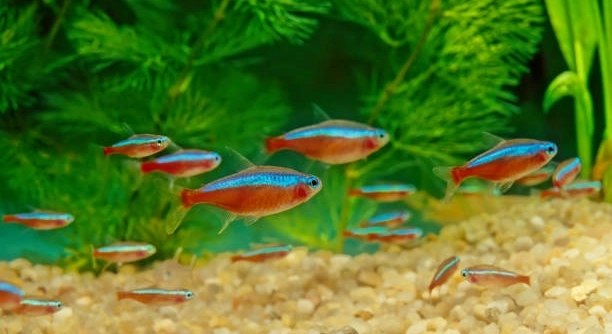
Newly hatched tetra fry need the right foods to grow strong and healthy in their early days. Providing proper nutrition helps improve their survival rate and supports steady development during this delicate stage. Choosing suitable foods is key to their success.
The best foods for newly hatched tetra fry include infusoria, newly hatched brine shrimp, micro worms, crushed flakes, and liquid fry food. These options provide essential nutrients and are appropriately sized for the fry to eat and digest easily.
Knowing which foods work best can make a big difference in raising healthy tetra fry. This guide will help you select the top choices for their early feeding needs.
Infusoria: The Ideal First Food
Infusoria is a microscopic aquatic organism that works perfectly as the first food for newly hatched tetra fry. Its tiny size makes it easy for the fry to consume and digest without strain. Many breeders culture infusoria at home because it is readily available and provides essential nutrients. It helps the fry develop their digestive systems and adapt to eating outside the egg. Without infusoria, very young fry may struggle to find suitable food, leading to slower growth or even mortality. Maintaining clean water while cultivating infusoria is important to avoid harmful bacteria. Feeding small amounts frequently encourages better intake and reduces waste. This food source also promotes healthy activity levels and overall vitality during the crucial early days after hatching.
Using infusoria sets a strong foundation for the fry’s growth and prepares them for transitioning to larger foods later.
Infusoria is easy to culture, nutritious, and highly effective for supporting fragile tetra fry at the start.
Newly Hatched Brine Shrimp (Artemia)
Newly hatched brine shrimp are a popular choice for feeding tetra fry due to their high protein content and appropriate size. They promote fast growth and strengthen the fry’s immune system. Brine shrimp hatch quickly, making them a reliable food source when timing is crucial. Their movement stimulates the fry’s natural hunting instincts, encouraging active feeding behavior. Brine shrimp can be fed live or frozen, but live is preferred for better nutrition and stimulation. It’s important to rinse frozen shrimp well before feeding to avoid water contamination. Overfeeding can foul the water, so small, frequent feedings are best to maintain water quality. Regular use of brine shrimp supports healthy development and prepares the fry for gradual introduction to other foods.
Brine shrimp provide essential nutrients that enhance survival and growth in young tetra fry during their critical early stages.
Micro Worms
Micro worms are tiny nematodes that serve as an excellent food source for tetra fry. They are soft-bodied, easy to digest, and move slowly, making them ideal for small mouths. Many breeders use micro worms to supplement their fry’s diet in the early stages.
Micro worms can be cultured at home with simple materials like oatmeal or mashed potatoes. They provide a good balance of protein and fat necessary for healthy growth. Because of their slow movement, fry can catch and eat micro worms without much effort. This reduces stress and supports steady development. Regular feeding with micro worms helps improve fry survival and growth rates. Their size and texture also help the fry get accustomed to hunting live food, which is important for natural feeding behavior.
Using micro worms alongside other foods creates a varied diet, which is beneficial for the overall health of newly hatched tetra fry.
Crushed Flake Food
Crushed flake food is an easy and accessible option to feed tetra fry when they grow a bit larger. Breaking the flakes into very small pieces ensures the food is manageable for their tiny mouths. It is often used as a supplement to live food.
High-quality flake food contains essential vitamins and minerals that support growth. When crushed finely, it becomes a good alternative if live food is unavailable. To avoid water pollution, feed only small amounts that the fry can consume quickly. It is best to mix crushed flakes with live or frozen foods to keep the diet balanced. Although flakes don’t move like live food, their nutritional content makes them valuable for fry transitioning to solid foods.
Incorporating crushed flakes gradually helps prepare tetra fry for more varied diets as they mature.
Liquid Fry Food
Liquid fry food is specially formulated to provide essential nutrients in a form easy for tiny tetra fry to consume. It’s often used when live food is not available or as a supplement to other foods. This food helps support early development effectively.
Because liquid fry food is finely ground and suspended in liquid, it reduces the risk of choking or digestive issues for very small fry. It can be added directly to the water or fed with a pipette, making feeding convenient and controlled.
Daphnia
Daphnia, also known as water fleas, are rich in nutrients and slightly larger than brine shrimp. They serve as excellent food for older tetra fry that can handle bigger prey. Their movement encourages active feeding and exercise.
Egg Yolk
Egg yolk is an affordable and nutrient-rich option for feeding tetra fry. It should be boiled and mashed finely before offering it in very small amounts to avoid water fouling.
What is the best way to feed newly hatched tetra fry?
Feeding newly hatched tetra fry requires providing very small, nutrient-rich foods several times a day. Start with infusoria or liquid fry food for the first few days, as these are tiny enough for the fry to eat easily. As they grow, gradually introduce newly hatched brine shrimp, micro worms, and finely crushed flakes. Feeding small amounts often helps avoid water quality issues and ensures the fry get enough nutrition without overfeeding. Removing uneaten food and maintaining clean water supports healthy development.
How often should tetra fry be fed?
Tetra fry need to be fed frequently, ideally four to six times per day. Their small stomachs cannot hold much food at once, so frequent, small feedings encourage consistent growth and reduce waste. Overfeeding can pollute the water and harm the fry, so it’s important to offer only what they can consume within a few minutes. Maintaining a regular feeding schedule helps the fry build energy and develop properly during these critical early stages.
Can I feed my tetra fry only flake food?
Feeding only crushed flake food is not recommended for newly hatched tetra fry. While crushed flakes contain important vitamins and minerals, they lack the movement and live nutrients that stimulate natural feeding behaviors and support digestion. Flake food works better when combined with live or liquid foods during early development. As the fry grow and their mouths get bigger, crushed flakes can be introduced more regularly to help them transition to adult diets.
Is it necessary to culture live food like infusoria or brine shrimp at home?
Culturing live food such as infusoria and brine shrimp at home is highly beneficial but not absolutely necessary. Live food offers superior nutrition and stimulates natural hunting instincts in fry. If culturing is not possible, high-quality frozen or liquid alternatives can be used temporarily. However, fresh live food generally promotes better growth rates and health. Setting up a simple culture tank for infusoria or hatching brine shrimp eggs is affordable and greatly improves feeding success.
How do I prevent water quality problems when feeding fry?
To maintain good water quality, feed fry small portions that they can consume quickly. Remove any uneaten food promptly to avoid decomposition that can produce harmful ammonia and nitrites. Regular partial water changes are essential during the fry stage because waste builds up quickly. Using a gentle filter that does not create strong currents also helps keep the environment stable. Monitoring water parameters frequently ensures the fry remain in healthy conditions.
When can tetra fry start eating larger foods like daphnia or crushed flakes?
Tetra fry can begin eating larger foods such as daphnia or crushed flakes after about two to three weeks, once their mouths are large enough to handle bigger particles. Introducing these foods gradually prevents digestive problems and encourages natural feeding habits. At this stage, continue offering smaller live foods alongside to maintain variety and nutritional balance. Observing the fry’s behavior helps determine readiness for these changes.
Are there any homemade food options for tetra fry besides egg yolk?
Besides egg yolk, other homemade food options include finely mashed peas, spirulina powder mixed in water, or soaked and ground dry fish flakes. These options provide protein and essential nutrients but should be given in small amounts and fed carefully to avoid fouling the water. Homemade foods can supplement live and commercial fry foods but should not replace them completely, as balanced nutrition is key for healthy growth.
What signs show that tetra fry are not getting proper nutrition?
Signs that tetra fry are not receiving proper nutrition include slow growth, lethargy, faded coloration, and increased mortality. Fry may also refuse food or show difficulty swimming. Poor nutrition weakens their immune system, making them prone to disease. If these signs appear, reevaluate the feeding routine, water quality, and food types. Providing diverse, nutrient-rich foods and maintaining a clean tank usually helps the fry recover quickly.
Can I use powdered fish food for feeding tetra fry?
Powdered fish food can be used for tetra fry but must be very finely ground to avoid choking or digestive issues. It is best used as a supplement rather than the main diet. Mixing powdered food with water to create a slurry or combining it with liquid fry food improves feeding ease. Powdered foods often lack the stimulation and variety of live foods, so using them alongside other feeding options ensures better nutrition.
How long does it take for tetra fry to become fully independent feeders?
Tetra fry usually become fully independent feeders within three to four weeks after hatching. During this time, they transition from microscopic foods like infusoria to larger, solid foods such as crushed flakes and small live prey. Monitoring their growth and feeding behavior is important to adjust food types and amounts accordingly. Ensuring a gradual change supports their digestion and overall health during this critical period.
Raising newly hatched tetra fry can feel challenging at first, but choosing the right foods makes a big difference. Feeding tiny, nutritious foods like infusoria and newly hatched brine shrimp gives the fry the best start. These foods are easy for the fry to eat and help support their early growth and development. Providing the right nutrition during these first weeks helps improve survival rates and keeps the fry healthy as they grow.
As the fry get bigger, it’s important to introduce other foods gradually. Options like micro worms, crushed flakes, and liquid fry food add variety and additional nutrients to their diet. Feeding small amounts frequently helps prevent water quality problems and ensures the fry can digest their food properly. Watching how the fry respond to different foods lets you adjust feeding routines to meet their needs. Keeping the tank clean and monitoring water conditions also play an important role in raising healthy fry.
Overall, raising tetra fry takes patience and attention, but it is rewarding to see them grow strong and active. Using a combination of live and prepared foods provides balanced nutrition and supports their natural feeding behavior. With consistent care, clean water, and suitable foods, your tetra fry will have a good chance to thrive. These early steps set the foundation for healthy adult fish and a successful aquarium experience.

Hello,
If you enjoy the content that we create, please consider saying a "Thank You!" by leaving a tip.
Every little bit helps us continue crafting quality advice that supports the health, happiness, and well-being of pets around the world, for pets of all shapes, sizes, and species.
We really appreciate the kindness and support that you show us!