
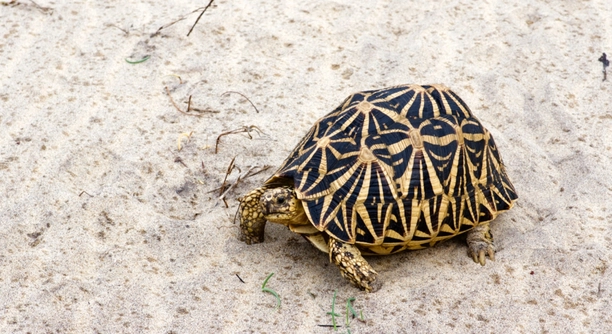
Baby turtles need a balanced and nutritious diet to grow strong and healthy. Choosing the right foods for them is key to their development. Knowing which foods are best will ensure your turtle thrives as it grows.
The best foods for growing baby turtles include a variety of proteins, vegetables, and aquatic plants. Offer them high-quality turtle pellets, as well as insects, fish, leafy greens, and fruits for a balanced diet that supports their growth and health.
Providing a range of these foods will help your baby turtle grow stronger and healthier. Keep reading to learn about the best choices for feeding your turtle.
High-Quality Turtle Pellets
Turtle pellets are a convenient and reliable way to provide your baby turtle with a well-balanced diet. They are designed to meet the nutritional needs of growing turtles, offering essential vitamins, minerals, and proteins. These pellets should be the foundation of your turtle’s diet, as they supply a consistent source of nutrition. Most high-quality pellets are formulated to support healthy shell and bone growth, while also aiding in overall health. Be sure to choose a reputable brand, as some lower-quality pellets may contain fillers or harmful additives.
Including pellets in your baby turtle’s daily diet ensures they get the nutrients they need for proper development. However, it’s important not to rely on them exclusively.
While pellets are a good primary food source, supplementing with live food and vegetables helps provide variety and additional nutrients. Regularly rotating your baby turtle’s diet will help prevent any potential nutritional gaps and ensure they stay healthy as they grow.
Insects and Small Fish
Insects and small fish provide essential protein to support your baby turtle’s growth. Offer your turtle insects like crickets, worms, or small aquatic creatures such as minnows. These foods are rich in protein, which helps promote healthy muscle and shell development.
It’s important to feed live insects to your baby turtle to encourage natural hunting behavior. Live prey also contains more nutrients than frozen or dried options, so it’s a better choice for growing turtles. Small fish like guppies or goldfish can be fed in moderation, as long as they are appropriately sized for your turtle.
Additionally, ensure the insects and fish are free from pesticides or other harmful chemicals. This will reduce the risk of your baby turtle ingesting toxins. A good balance of insects, fish, and other foods will give your turtle the necessary nutrients for healthy development.
Leafy Greens and Vegetables
Leafy greens like kale, collard greens, and dandelion greens are a great addition to your baby turtle’s diet. These vegetables are packed with essential vitamins and minerals that support overall health. Offer them fresh and chopped into smaller pieces to make it easier for your turtle to eat.
In addition to greens, you can also feed your baby turtle other vegetables like squash, carrots, and bell peppers. These provide extra nutrients that help with digestion and boost your turtle’s immune system. Avoid feeding them too much spinach or lettuce, as these can cause health issues if given in excess.
Rotating the types of leafy greens and vegetables will ensure your turtle gets a variety of nutrients. Always wash the vegetables thoroughly to remove pesticides or contaminants. Offering a range of vegetables alongside other food options will keep your baby turtle healthy and satisfied.
Fruits
Fruits should be offered as occasional treats for your baby turtle. Fruits like strawberries, blueberries, and apples are rich in vitamins and antioxidants, which support your turtle’s health. Be careful not to overfeed fruits, as their high sugar content may lead to digestive issues.
Cut the fruit into small, manageable pieces for easy consumption. Avoid feeding fruits with pits or seeds, as these can be a choking hazard. Offering a small amount once or twice a week is plenty. Fruits should complement the rest of your turtle’s diet, not replace essential foods like pellets and greens.
Introducing a variety of fruits also helps keep your baby turtle interested in their meals. However, always ensure that fruits are safe and free from pesticides. Moderation is key when feeding fruits to ensure your turtle’s diet remains balanced.
Aquatic Plants
Aquatic plants such as water lettuce, duckweed, and elodea are excellent food options for baby turtles. These plants provide natural fibers and nutrients that support digestion. They also offer your turtle a more natural foraging experience, which is important for their mental stimulation.
These plants should be available for your baby turtle to nibble on throughout the day. You can grow them in the tank or purchase them from pet stores. Make sure the plants are pesticide-free. Aquatic plants help your turtle feel more comfortable in their environment, providing a natural source of food.
Protein-Rich Snacks
Protein-rich snacks like mealworms, waxworms, and small shrimp can be fed to your baby turtle as occasional treats. These foods provide a high source of protein, which helps in muscle and shell development. Offer these snacks in moderation to prevent overfeeding.
Too much protein can lead to health problems, so it’s important to keep protein-based snacks as a small part of the diet. Offering a mix of protein and other food types will help maintain balance. Always ensure the snacks are appropriately sized for your baby turtle to avoid choking hazards.
Foods to Avoid
Avoid feeding your baby turtle foods that are high in fats, such as processed meats or dairy products. These can cause digestive issues and lead to obesity. Never feed your turtle human food or foods that are not specifically meant for reptiles.
FAQ
What should I feed my baby turtle daily?
For a balanced diet, feed your baby turtle a mix of high-quality turtle pellets, leafy greens, and protein-rich snacks like insects or small fish. It’s important to provide a variety of foods to ensure they get all the nutrients needed for growth. A combination of these foods will promote healthy shell and bone development. You can also offer aquatic plants like water lettuce or duckweed, which provide natural fiber. Be sure to rotate the food options to keep things interesting for your turtle and prevent boredom.
How often should I feed my baby turtle?
Baby turtles need to be fed daily, but it’s important to monitor how much they’re eating. In the wild, they may eat more frequently, but in captivity, overfeeding can lead to obesity. Offer food once or twice a day in small amounts. Ensure the food is consumed within a couple of hours, as leftover food can cause water contamination in their habitat. If you notice your turtle is not eating, consider adjusting their diet or check their environment for stress factors.
Can I feed my baby turtle vegetables only?
Vegetables alone cannot provide the necessary nutrients your baby turtle needs to grow properly. While leafy greens and vegetables are important, they should be combined with protein sources, such as insects or fish, to support their growth. A diet focused solely on vegetables can lead to nutritional deficiencies, so always make sure to offer a balance of plant-based foods and proteins. Protein is especially vital for the development of strong muscles and shells.
Are fruits safe for baby turtles?
Fruits can be fed to baby turtles in moderation. They are rich in vitamins and antioxidants but should only make up a small part of their diet due to their high sugar content. Excessive sugar can lead to digestive issues, so limit fruits to a few times a week. Always cut fruits into small, manageable pieces to avoid choking hazards. Never feed fruits with seeds or pits, as these can be harmful to your turtle.
How do I know if I’m feeding my baby turtle the right amount?
The amount of food a baby turtle needs depends on its size and age. As a general rule, feed your turtle as much as they can eat in 15-30 minutes, and remove any uneaten food afterward. Baby turtles have smaller appetites than adults, but they still need a lot of energy for growth. A good sign that your baby turtle is getting the right amount is if it appears active, has a healthy appetite, and shows consistent growth. If your turtle is not eating or seems lethargic, it may be a sign of an issue with their diet or environment.
Can baby turtles eat fish?
Yes, baby turtles can eat small fish. Fish are an excellent source of protein, which is important for muscle and shell development. Offer them small, live fish like guppies or minnows, as these encourage natural hunting behaviors. It’s essential to ensure the fish are small enough for your turtle to eat without choking. Also, avoid feeding them fish that are too high in fat, as this could lead to health problems. Fish should be offered in moderation as part of a balanced diet.
How do I prepare vegetables for my baby turtle?
When feeding vegetables to your baby turtle, always wash them thoroughly to remove pesticides or chemicals. Chop the vegetables into small, bite-sized pieces to make them easier for your turtle to eat. Offering a variety of vegetables like kale, dandelion greens, and bell peppers is best, as this helps provide a range of vitamins and minerals. Some vegetables, like spinach, should be given sparingly, as they contain compounds that can interfere with calcium absorption.
Is it okay to feed my baby turtle only pellets?
While high-quality turtle pellets can be a main part of your baby turtle’s diet, they should not be the only food offered. Pellets are convenient and balanced, but they lack the variety that helps keep your turtle healthy. Supplement their diet with fresh vegetables, live food, and occasional fruits. A varied diet will provide all the necessary nutrients, and the different textures will keep your baby turtle engaged during mealtime.
Can I feed my baby turtle bread or other human food?
No, you should never feed your baby turtle bread or any other human food. These foods are not nutritionally suitable for turtles and can lead to digestive problems or obesity. Stick to foods specifically designed for reptiles or those that mimic their natural diet. Baby turtles have very specific dietary needs that human food cannot fulfill, so always avoid feeding them processed snacks or table scraps.
Why is my baby turtle not eating?
There are several reasons why your baby turtle may not be eating. Stress from changes in environment, temperature fluctuations, or improper tank conditions could cause loss of appetite. Ensure that their habitat is clean, the water temperature is within the correct range (75-80°F), and that they have plenty of hiding spots. Additionally, check that you’re offering a varied diet of appropriate foods, as boredom with their meals may also be a factor. If your turtle continues to refuse food, consider seeking advice from a veterinarian.
Final Thoughts
Feeding your baby turtle the right foods is crucial for its health and growth. A balanced diet that includes high-quality turtle pellets, leafy greens, protein-rich insects, and occasional fruits will provide the necessary nutrients for strong bones, a healthy shell, and overall well-being. You should also remember that variety is key to a turtle’s diet. Rotating different foods not only prevents boredom but ensures that your turtle gets a wide range of nutrients.
Maintaining proper feeding habits means also being mindful of portion sizes and not overfeeding your turtle. Baby turtles can be small, and it’s easy to assume they need large portions, but too much food can lead to obesity or water contamination. Feed your baby turtle small amounts once or twice a day, depending on its size, and monitor how much they eat. Removing any uneaten food after 30 minutes will help keep their tank clean and prevent the water from getting polluted.
Finally, creating a comfortable and clean environment for your turtle is just as important as its diet. Proper water temperature, a clean tank, and UV lighting will help your turtle digest food properly and stay healthy. Always be patient and observe how your turtle responds to its diet and environment. If you notice any changes in behavior, it might be a sign that something is off, and adjusting their food or tank conditions may be necessary. Proper care and attention will ensure that your baby turtle thrives and grows into a healthy adult.

Hello,
If you enjoy the content that we create, please consider saying a "Thank You!" by leaving a tip.
Every little bit helps us continue crafting quality advice that supports the health, happiness, and well-being of pets around the world, for pets of all shapes, sizes, and species.
We really appreciate the kindness and support that you show us!