
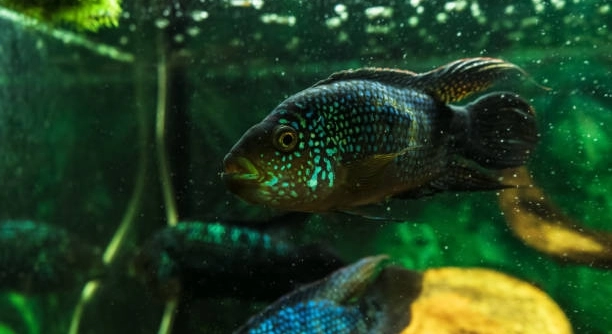
Jack Dempsey fish are admired for their striking colors and lively presence in home aquariums. Maintaining their vivid appearance requires more than just clean water; nutrition plays a crucial role in enhancing their natural hues. Feeding the right foods can significantly improve their coloration over time.
Providing a diet rich in specific nutrients directly influences the brightness and intensity of Jack Dempsey coloration. Foods high in carotenoids, proteins, and essential fatty acids support pigment development, immune health, and overall vitality, ensuring the fish display optimal visual appeal.
Incorporating these foods consistently can transform your fish’s appearance and boost their health. Understanding which options are most effective is key to vibrant, healthy Jack Dempseys.
High-Carotenoid Foods for Vibrant Color
Carotenoids are essential for brightening Jack Dempsey fish. Foods like red bell peppers, carrots, and shrimp naturally contain these pigments. Feeding these regularly can enhance red, orange, and yellow tones in your fish. Consistency is key, as gradual changes in coloration are more sustainable than sudden shifts. Fresh or lightly cooked options preserve nutrient content, providing the most benefit. Freeze-dried or high-quality pellet alternatives with added carotenoids can also support color development when fresh sources are unavailable. Including a mix ensures your fish receives a variety of nutrients while keeping them interested in their diet. Avoid overfeeding to prevent water quality issues, which can negatively affect their appearance. Observing your fish daily helps track progress and adjust portion sizes as needed. Combining carotenoid-rich foods with a balanced diet of protein and healthy fats ensures your Jack Dempsey maintains both health and vivid coloration.
High-carotenoid foods boost pigment absorption efficiently. They directly influence the intensity of red and orange hues in Jack Dempsey fish.
Adding these foods consistently supports deeper color expression while keeping the fish healthy and active, enhancing their overall presence in the tank.
Protein-Rich Diets to Support Color
High-quality protein strengthens muscle and promotes vibrant coloration. A protein-focused diet helps maintain growth and overall health.
Protein is vital for pigment formation and tissue repair. Foods like earthworms, krill, and small insects supply essential amino acids, improving coloration naturally over time. Feeding varied protein sources ensures your fish receives balanced nutrition. Over-reliance on one type can limit pigment development. Combining proteins with carotenoid-rich foods enhances red and orange hues more effectively than feeding either alone. Fresh sources are preferable, but high-quality pellets with protein additives can work when fresh foods are unavailable. Observing your fish’s response helps refine feeding schedules and portion sizes. Providing protein at multiple intervals throughout the week maintains energy levels and supports healthy color growth.
In addition to color, protein-rich diets strengthen immunity, improve resilience, and support active behavior. Proper feeding practices enhance both appearance and longevity. Incorporating these strategies helps your Jack Dempsey remain healthy and vibrantly colored.
Omega-3 Rich Foods for Healthy Skin
Omega-3 fatty acids support healthy skin and scales, which enhances the brightness of Jack Dempsey coloration. Foods like krill, salmon, and brine shrimp are excellent sources. Including these in the diet promotes both color intensity and overall well-being.
Regular intake of omega-3s strengthens cell membranes and reduces inflammation, helping your fish maintain smooth, vibrant scales. A diet rich in these fatty acids enhances natural coloration and keeps the skin from appearing dull or patchy. Frozen or live options retain the highest nutrient levels, but high-quality pellets enriched with omega-3 can supplement their diet effectively. Proper portion control prevents water quality issues while ensuring the fish receives enough nutrients. Combining omega-3s with carotenoid and protein sources maximizes coloration potential, making the fish appear healthier and more active in the tank environment.
Including omega-3-rich foods consistently improves both appearance and vitality. The enhanced pigmentation is noticeable over several weeks, giving Jack Dempseys a more striking and energetic look. Careful observation helps adjust quantities and maintain balance in their diet.
Vegetables and Plant Matter for Balanced Color
Vegetables provide essential vitamins and fibers that support overall health and coloration in Jack Dempsey fish. Leafy greens, peas, and zucchini are practical choices, contributing nutrients often missing from protein-only diets.
Plant matter aids digestion and adds natural pigments, complementing carotenoid-rich and protein-heavy foods. Feeding small, manageable portions prevents waste buildup and keeps water conditions optimal. Lightly blanching vegetables makes them easier to eat while preserving nutrients. Integrating plant matter two to three times a week ensures balanced nutrition without overwhelming their digestive system. Variety is crucial; mixing different vegetables maintains interest and delivers a wider nutrient spectrum, indirectly supporting pigment development and overall vitality. Observing how the fish responds helps determine portion sizes and combinations that work best for their health and coloration.
Consistent inclusion of vegetables balances the diet while enhancing subtle shades in coloration. Over time, this approach supports long-term health and keeps your Jack Dempsey active, alert, and visually striking. Proper preparation, variety, and frequency are essential for maximizing these benefits.
Live Foods for Natural Color Boost
Live foods like bloodworms, daphnia, and brine shrimp stimulate appetite while providing essential nutrients. These foods contain natural pigments that enhance red and orange tones, making Jack Dempsey coloration more vivid.
Feeding live foods occasionally encourages natural hunting behavior. It also improves digestion and keeps the fish active. Combining live foods with regular pellets supports both color and overall health.
High-Quality Pellets with Color Enhancers
Premium pellets formulated with carotenoids, astaxanthin, and vitamins can consistently improve Jack Dempsey coloration. They provide a balanced diet and ensure essential nutrients are delivered in controlled amounts.
Regular use of color-enhancing pellets supports pigment development while maintaining overall health. They are convenient for supplementing live and fresh foods, helping achieve a bright, even coloration across all areas of the fish’s body. Proper portioning prevents overfeeding and water quality issues.
Small Invertebrates for Pigment Variety
Small invertebrates like copepods and amphipods add unique pigments to the diet. They contribute to red, orange, and yellow hues in Jack Dempsey fish, supporting vibrant coloration naturally.
FAQ
How often should I feed my Jack Dempsey to enhance coloration?
Feeding frequency plays a crucial role in maintaining bright colors. For adult fish, feeding small portions two to three times a day is ideal. Juveniles may require slightly more frequent meals. Overfeeding can lead to poor water quality, which dulls coloration. Alternating between high-quality pellets, live foods, and fresh vegetables ensures a balanced diet while keeping your fish active and healthy. Regular observation helps you adjust portions based on appetite and activity levels, ensuring your Jack Dempsey develops vivid, consistent coloration.
Can I rely only on pellets for color improvement?
Pellets with added carotenoids and nutrients are effective for supporting color, but they work best when combined with live foods or fresh vegetables. Solely using pellets may limit pigment variety and natural behavior stimulation. Feeding a mix ensures balanced nutrition, better color intensity, and more active fish. It also prevents deficiencies in essential fatty acids and proteins that pellets alone may not fully provide. Incorporating occasional live foods or frozen options maximizes pigment development and keeps the fish engaged in feeding routines.
Are certain foods better for red or orange tones?
Yes, foods rich in natural carotenoids enhance red, orange, and yellow pigmentation. Shrimp, krill, red bell peppers, and carrots are excellent choices. These foods deposit pigments directly into scales, gradually increasing brightness. Combining them with a protein-rich diet ensures optimal absorption and maintains overall health. Regular inclusion in meals strengthens coloration without overloading the digestive system. Observing the fish’s response helps adjust quantities and food combinations for the best visual impact.
Do vegetables actually affect coloration?
Vegetables provide vitamins, fibers, and minor pigments that indirectly support color. Leafy greens, peas, and zucchini aid digestion and overall health, which contributes to brighter scales. While they don’t produce dramatic color changes on their own, combining them with carotenoid-rich and protein-heavy foods creates a complete diet that enhances natural coloration over time. Lightly blanching vegetables ensures they are easier to eat while retaining nutrients. Feeding variety also prevents boredom and encourages consistent eating habits.
Will live foods make my Jack Dempsey more colorful?
Live foods stimulate appetite, encourage natural hunting behavior, and provide nutrients that enhance pigmentation. Bloodworms, daphnia, and brine shrimp contain natural pigments that promote red and orange tones. Occasional feeding of live foods also improves digestion and activity, indirectly supporting health and coloration. Using live foods in combination with quality pellets ensures a consistent, nutrient-rich diet that maximizes brightness while keeping your fish active and engaged in the tank environment.
How long does it take to see color changes?
Color changes in Jack Dempsey fish are gradual. Depending on diet, age, and tank conditions, noticeable improvements may appear within a few weeks to a couple of months. Consistent feeding of carotenoid-rich foods, proteins, and vegetables is essential. Sudden changes in water quality or overfeeding can slow pigment development. Patience and careful observation are key. Maintaining stable conditions, balanced nutrition, and proper feeding schedules ensures long-term improvements in coloration without stressing the fish.
Is it safe to mix live foods, vegetables, and pellets?
Yes, a mixed diet is the most effective way to maintain vibrant coloration. Each food type contributes unique nutrients: pellets provide balanced vitamins, live foods supply natural pigments and proteins, and vegetables support digestion and overall health. Rotating between these options prevents dietary gaps and keeps the fish interested in feeding. Always monitor portion sizes and water quality to avoid overfeeding, which can harm health and dull coloration. A varied diet ensures your Jack Dempsey remains bright, healthy, and active over time.
Can overfeeding affect color?
Overfeeding can negatively impact water quality, leading to stress and dull coloration. Excess food decomposes, releasing waste that clouds the water and encourages algae growth. Even nutrient-rich foods lose effectiveness if water conditions are poor. Feeding controlled portions, observing appetite, and maintaining a clean tank ensures that pigments are absorbed efficiently and colors remain bright. Balanced feeding habits support long-term health, activity, and consistent color expression in Jack Dempsey fish.
Do frozen or freeze-dried foods work as well as live foods?
Frozen or freeze-dried options retain most nutrients and pigments, making them effective alternatives when live foods aren’t available. Proper rehydration and storage preserve carotenoids and proteins. While live foods stimulate natural hunting, frozen or freeze-dried foods offer convenience and consistent nutrition. Combining these with fresh vegetables and quality pellets ensures a complete diet that maintains vibrant coloration and overall health. Using a mix of food types maximizes pigment absorption and keeps feeding engaging for the fish.
How important is water quality for coloration?
Water quality directly affects pigmentation. Poor conditions cause stress, weakening the immune system and dulling colors. Regular water changes, proper filtration, and stable parameters allow pigments to develop fully. Even the best diet can’t compensate for dirty or unstable water. Monitoring pH, temperature, and nitrate levels, combined with a nutrient-rich diet, ensures your Jack Dempsey displays maximum brightness and remains healthy over time.
Maintaining bright and vibrant coloration in Jack Dempsey fish relies on a combination of proper diet, consistent care, and attention to their environment. The foods you provide play a key role in enhancing natural pigments and supporting overall health. Incorporating carotenoid-rich foods like shrimp, red bell peppers, and carrots can gradually bring out red, orange, and yellow tones in the scales. Protein-rich foods, including small insects, earthworms, and high-quality pellets, contribute to muscle development and pigment formation, which also improves color intensity. Additionally, including vegetables and plant matter ensures that your fish receives essential vitamins and fiber, supporting digestion and overall vitality. A varied diet prevents nutritional gaps while keeping feeding routines interesting for your fish. Consistency is crucial, as gradual improvements in coloration are more effective and sustainable than sudden changes.
Live foods and high-quality pellets with added color enhancers are important tools for maintaining bright scales. Live foods stimulate natural hunting behavior and provide additional pigments that promote vivid hues. Bloodworms, daphnia, and brine shrimp not only enhance color but also encourage activity, which supports overall health. High-quality pellets enriched with carotenoids, astaxanthin, and essential vitamins deliver consistent nutrients in controlled amounts. Using these options together ensures a balanced approach that strengthens immune function, encourages natural behaviors, and enhances coloration evenly across the body. Omega-3-rich foods, such as krill and salmon, contribute to healthy skin and scales, preventing dullness and improving shine. Rotating different types of food, including fresh, frozen, and live options, maintains variety while maximizing the benefits of pigments and nutrients. Observing how your Jack Dempsey responds to different foods helps fine-tune portion sizes and combinations for optimal results.
Beyond diet, maintaining stable water quality and proper tank conditions is essential for color development. Stress from poor water quality, overcrowding, or inconsistent parameters can dull coloration even if the fish is well-fed. Regular water changes, adequate filtration, and monitoring temperature, pH, and nitrate levels are all necessary to provide an environment where your fish can thrive. Feeding routines, portion control, and observing daily activity also play a role in keeping the fish healthy and active. By combining a nutrient-rich diet, variety in food types, and proper tank management, Jack Dempsey fish can display vivid, eye-catching colors while remaining energetic and healthy. Attention to both nutrition and environment ensures long-term success in maintaining vibrant, natural coloration over time.

Hello,
If you enjoy the content that we create, please consider saying a "Thank You!" by leaving a tip.
Every little bit helps us continue crafting quality advice that supports the health, happiness, and well-being of pets around the world, for pets of all shapes, sizes, and species.
We really appreciate the kindness and support that you show us!