
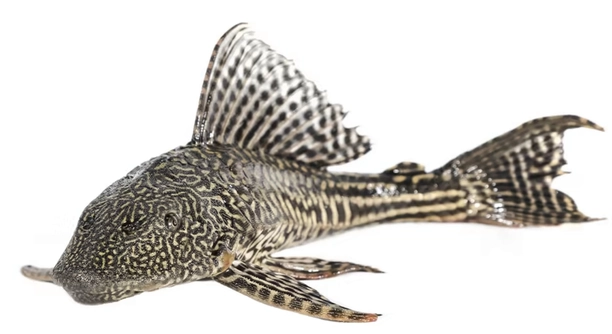
Is your plecostomus not looking as vibrant or active as usual? Nutrition might be playing a bigger role than you think. A balanced, species-appropriate diet can greatly improve their energy levels, color, and overall health.
The best foods for a healthy plecostomus include algae wafers, blanched vegetables, driftwood, and protein-rich treats like shrimp pellets. These options offer essential nutrients that support digestion, immune function, and natural behavior, helping your pleco thrive in its environment.
Knowing what to feed your pleco makes caring for them much easier and more rewarding in the long run.
Algae Wafers: A Reliable Staple
Algae wafers are one of the most common and reliable food choices for plecostomus. These wafers are specially made to sink quickly and dissolve slowly, giving your pleco time to feed properly. They provide a good balance of protein and plant-based nutrients, especially spirulina, which supports color and digestion. Algae wafers also help mimic the natural diet of plecos in the wild, which mainly consists of biofilm and plant matter. Choose high-quality wafers with minimal fillers and avoid overfeeding, as leftover food can cloud the tank and affect water quality. Feeding your plecostomus once or twice a day is enough.
Algae wafers should make up a core part of your pleco’s diet, especially for younger or herbivorous species.
When feeding algae wafers, drop them into the tank after lights go out. Plecos are nocturnal, and this helps reduce competition from other fish. Always remove any uneaten bits the next morning.
Blanched Vegetables: Nutritious and Easy
Blanched vegetables are a cheap and healthy way to support your plecostomus’s nutritional needs.
Zucchini, cucumber, spinach, kale, and peas are great choices. These vegetables are rich in fiber and vitamins and help keep your pleco’s digestive system functioning properly. Blanching softens the vegetables, making them easier to eat and digest. Simply boil for a few minutes, let cool, and secure them at the bottom of the tank using a clip or weight. Avoid using any salt, oil, or seasonings. Offer small portions to prevent waste. Rotating the vegetables helps provide a broader range of nutrients. You might notice your pleco rasping on the veggies overnight, which is a natural and healthy behavior. Feeding blanched vegetables two or three times per week is enough. Store leftovers in the fridge for up to three days.
This feeding method also helps you observe your pleco’s feeding behavior and check for signs of health.
Driftwood: A Natural Must-Have
Driftwood is more than just decoration—it plays an essential role in your plecostomus’s diet. Some plecos, especially wood-eating varieties like the Panaque, rely on driftwood to help break down food and aid digestion.
Driftwood provides dietary fiber and helps mimic a pleco’s natural habitat. It supports the growth of biofilm, which many plecos love to graze on. Choose aquarium-safe driftwood like Malaysian or Mopani, and soak it beforehand to remove excess tannins. Some discoloration of the water is normal and not harmful. Adding driftwood also encourages natural rasping behavior, which reduces boredom and stress. Avoid sharp or treated woods that may harm your fish. Once placed in the tank, driftwood can last for years and requires very little maintenance. Just rinse occasionally during water changes and check for soft or splintering areas that may need replacing.
Keeping driftwood in the tank helps support healthy digestion while also adding shelter and enrichment.
Protein Treats: Occasional but Important
Protein is a helpful supplement for plecos, especially those with omnivorous diets. While most plecos do well on a plant-based diet, adding shrimp pellets or bloodworms once or twice a week can help round things out.
Too much protein can stress your pleco’s digestive system, so moderation is key. Stick to small portions—just enough for them to eat within a few minutes. Sinking protein pellets are best since they go right to the bottom where plecos feed. Frozen or freeze-dried options work well, but always thaw before feeding. This extra protein can be especially helpful for breeding plecos or those recovering from illness. Watch for signs of overfeeding, like bloating or cloudy water. Balanced feeding habits make a noticeable difference over time.
Including protein treats now and then adds variety and supports your pleco’s growth and overall vitality without putting extra strain on their system.
Fresh Romaine and Spinach
Fresh romaine and spinach are excellent leafy greens for plecos. They’re easy to prepare and full of nutrients like calcium and fiber. Always rinse thoroughly and blanch before feeding to soften the leaves and make them easier to digest.
Avoid iceberg lettuce, as it lacks nutritional value and breaks down too quickly. Secure greens using veggie clips to keep them in place. Remove leftovers after a few hours to maintain good water quality. Feed these once or twice a week as a supplement to algae wafers or other staple foods.
Sinking Pellets with Spirulina
Sinking pellets that contain spirulina are a strong addition to your pleco’s diet. Spirulina is a nutrient-rich algae packed with protein, vitamins, and antioxidants that help support immune function and improve coloration. Choose pellets formulated for bottom-feeders, as they’re easier for plecos to access. These should sink quickly and stay intact without clouding the water. Look for short ingredient lists without excessive fillers. Feed in small amounts—enough to be eaten within 30 minutes. Overfeeding pellets can cause tank issues, so keep a regular schedule. This type of food works well for both juvenile and adult plecos, especially those with mixed diets.
Slices of Cucumber
Cucumber slices are a simple, low-cost treat that many plecos enjoy. They’re mostly water but still offer hydration and fiber. Blanch briefly and weigh them down so your pleco can feed more easily.
FAQ
What can I feed my plecostomus besides algae wafers?
In addition to algae wafers, plecostomus can eat blanched vegetables like zucchini, cucumber, and spinach. You can also offer protein-rich foods like shrimp pellets or bloodworms. Fresh romaine and spinach provide additional nutrients. The key is variety and moderation—make sure to rotate these foods regularly to provide a balanced diet.
How often should I feed my plecostomus?
Plecostomus should be fed once or twice a day, depending on their age and size. Juveniles might need more frequent feedings, while adults do well with one meal daily. Be mindful of overfeeding; remove any uneaten food after a few hours to avoid water quality issues.
Can plecostomus eat fruit?
Fruit isn’t a natural part of a plecostomus’s diet, but some can tolerate small amounts occasionally. Offer a slice of banana or apple once in a while, but keep it to a minimum. Fruit is high in sugar, which isn’t ideal for their digestive system in large quantities.
Is driftwood necessary for plecostomus?
Driftwood is highly beneficial for many species of plecostomus, especially wood-eating varieties like the Panaque. It provides necessary fiber and helps with digestion. Additionally, it encourages natural behaviors and helps maintain healthy biofilm growth. While not all plecos require driftwood, it’s a good addition to most tanks.
Can I feed my plecostomus vegetables raw?
While some vegetables can be fed raw, it’s best to blanch them first. Blanching softens the vegetables and makes them easier for plecos to eat and digest. Raw vegetables like cucumber or zucchini are okay in small amounts, but blanched options are more effective for nutritional absorption.
Do plecostomus need protein in their diet?
Yes, plecostomus do need protein, but the amount varies depending on the species. Some plecos, like those with more omnivorous tendencies, benefit from occasional protein sources like shrimp pellets or bloodworms. Be cautious not to overfeed protein, as it can cause digestive issues or water quality problems.
How can I tell if I’m overfeeding my plecostomus?
Overfeeding can lead to excess food in the tank, causing water quality issues and harming your pleco. If you notice uneaten food collecting at the bottom or your pleco appears bloated, it’s likely you’re feeding too much. Stick to small portions that your pleco can finish within a few hours.
Are there any foods I should avoid feeding my plecostomus?
Yes, avoid feeding plecos high-sugar fruits, processed foods, or anything with added salt, seasoning, or oil. These ingredients can upset their digestive systems and harm their health. Also, steer clear of iceberg lettuce, as it offers little nutritional value and breaks down too quickly in the water.
How do I feed my plecostomus without polluting the water?
To prevent polluting the water, always feed your plecostomus small portions that they can finish in one feeding. Use sinking food, such as sinking pellets or algae wafers, to prevent food from floating around. Remove any leftover food after a few hours, and ensure that food is weighed down or clipped to the tank’s surface for easy access.
How do I prepare vegetables for my plecostomus?
To prepare vegetables like zucchini or spinach, rinse them thoroughly, then blanch them in hot water for a few minutes. After blanching, cool the vegetables and place them in the tank using a clip to secure them in place. This process softens the veggies, making them easier for your pleco to eat.
Can I feed my plecostomus fish flakes or pellets?
Fish flakes and pellets are not ideal for plecostomus since they are usually designed for surface-feeding species. Plecos are bottom feeders, and they do better with sinking food options. If you choose to offer pellets, make sure they are specifically formulated for bottom feeders to ensure your pleco gets the nutrients it needs.
Can I feed my plecostomus shrimp?
Yes, shrimp is a good protein source for plecostomus. You can offer them small pieces of shrimp or shrimp pellets, but it’s important to feed shrimp in moderation. Too much protein can cause digestive problems and affect water quality, so only offer shrimp treats once or twice a week.
Should I feed my plecostomus every day?
Feeding every day is generally fine, but be sure to provide small portions to avoid overfeeding. Younger plecos or those still growing may need more frequent feedings, while adults typically do well with one feeding per day. Adjust feeding schedules based on your pleco’s needs, and remember to remove uneaten food promptly.
Do plecostomus need any special supplements?
In most cases, plecostomus don’t require additional supplements if they’re eating a balanced diet with algae wafers, vegetables, and protein sources. However, some plecos may benefit from additional calcium to support their bones. You can add a cuttlebone to the tank, but this is typically unnecessary for well-fed plecos.
How can I keep my plecostomus healthy long-term?
To keep your plecostomus healthy, feed a variety of appropriate foods, maintain stable water conditions, and avoid overfeeding. Make regular water changes and ensure that the tank is well-filtered. Adding natural elements like driftwood and providing hiding spots can also improve your pleco’s overall well-being. Regularly observe your pleco for signs of illness, such as lethargy or changes in behavior.
Final Thoughts
Taking care of a plecostomus involves providing a balanced diet, maintaining a clean tank, and understanding their natural behaviors. Offering a variety of foods, like vegetables, sinking pellets, and occasional protein, ensures your pleco receives the nutrients it needs for good health. It’s essential to avoid overfeeding, as this can lead to water quality issues and stress for the fish. Keeping a close eye on what your pleco is eating and removing uneaten food after each feeding will help maintain a healthy tank environment.
In addition to diet, other factors like water conditions, tank size, and regular maintenance play a big role in the health of your pleco. A larger tank with proper filtration will reduce the risk of water pollution, and frequent water changes will keep the environment stable. Plecos tend to thrive in tanks that replicate their natural habitat, which includes hiding spots, smooth rocks, and driftwood. Driftwood not only provides natural fiber, but it also encourages the pleco’s natural behavior of scraping algae.
Plecostomus can live long, healthy lives if provided the right care. By offering a diverse diet, maintaining clean water, and observing your fish’s behavior, you can ensure your pleco thrives in its environment. Regularly check for signs of stress or illness and make adjustments as needed. With proper care, your plecostomus will not only stay healthy but also become an active and interesting part of your aquarium.

Hello,
If you enjoy the content that we create, please consider saying a "Thank You!" by leaving a tip.
Every little bit helps us continue crafting quality advice that supports the health, happiness, and well-being of pets around the world, for pets of all shapes, sizes, and species.
We really appreciate the kindness and support that you show us!