
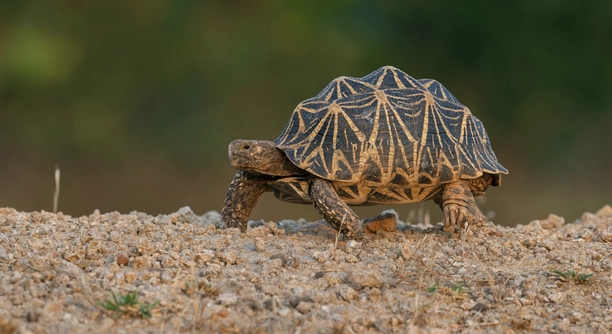
Turtle tanks are unique and require thoughtful care to keep your pets happy and healthy. One aspect that can make a difference is adding floating plants to their environment. These plants not only provide hiding spots but also improve water quality.
Floating plants help maintain a healthy environment in turtle tanks by offering shade, oxygen, and hiding spots. These plants help reduce algae buildup and improve water conditions, creating a natural and comfortable habitat for turtles.
Adding floating plants to your turtle tank can enhance its appearance and functionality. Keep reading to discover the best options to consider for your tank.
Why Floating Plants are Essential for Turtle Tanks
Floating plants are not just a decorative addition to turtle tanks. They serve practical purposes, such as providing shade for your turtles and helping maintain the water’s balance. Turtles are naturally sun-seeking creatures, but too much light can heat up the water or promote algae growth. Floating plants help to block out some of that light, keeping the water temperature more stable and reducing algae buildup.
Additionally, these plants create a natural hiding spot for turtles, which can help them feel safer in their habitat. This is important for their mental well-being. Floating plants also help with oxygenation, improving water quality and making it easier for turtles to breathe comfortably.
Overall, floating plants make for a more vibrant, healthier environment. A tank with a combination of proper filtration and well-chosen floating plants will help mimic a turtle’s natural habitat, keeping both your pet and tank in great condition.
Best Floating Plants for Turtle Tanks
Several floating plants can thrive in turtle tanks, each offering different benefits. The right choice depends on the space available and the specific needs of your turtles.
Water Lettuce is one of the top options. This plant has large, soft leaves that provide plenty of cover for turtles. It also helps in reducing algae growth by absorbing excess nutrients. Another popular choice is Duckweed, a tiny plant that spreads quickly and offers excellent shade. It also reduces light penetration, keeping your tank cooler and more comfortable for your turtles.
Both plants are easy to care for and help maintain a natural, balanced ecosystem. However, some plants may need occasional pruning as they can grow fast and cover the water’s surface.
Water Lettuce: A Top Choice
Water Lettuce is an ideal floating plant for turtle tanks due to its broad, soft leaves. It creates a safe hiding spot and reduces light, preventing excess algae growth. Its rapid growth helps keep the tank cooler, providing comfort for your turtles.
This plant is very easy to care for and can adapt to most tank conditions. It does need a bit of space to thrive, so ensure your tank has room for it to spread. Water Lettuce doesn’t need a lot of attention but may require some trimming if it grows too large.
In addition to providing shade, Water Lettuce helps with water quality. It absorbs excess nutrients, such as nitrogen and phosphorus, which can contribute to algae problems. By removing these nutrients from the water, it helps prevent your tank from becoming overrun with algae.
Duckweed: Small But Powerful
Duckweed is another excellent floating plant for turtle tanks. Its small size makes it easy to manage, but it’s effective at improving water conditions. This plant thrives in most conditions and can grow quickly, providing a thick cover on the water’s surface.
Due to its fast growth, Duckweed helps absorb nutrients that might otherwise contribute to algae growth. It also provides shade for your turtles, offering them a break from the light. While Duckweed can be beneficial, it may need to be thinned out regularly. It spreads fast and may cover the entire surface of your tank in a short time.
Duckweed can also be a great addition to tanks with multiple turtles, as its dense covering creates hiding spots and offers a sense of security. Its simplicity and effectiveness make it a go-to choice for turtle owners who want to keep their tanks in balance.
Amazon Frogbit: Easy and Efficient
Amazon Frogbit is a great floating plant for turtle tanks. It grows in a rosette shape with thick leaves that turtles love to rest on. This plant helps shade the tank and reduces algae buildup. It’s also easy to care for and grows quickly.
Though it’s hardy, Amazon Frogbit can become too large for small tanks. If the plant spreads too much, it may block the light and reduce oxygen flow. Regular trimming ensures it doesn’t overcrowd the tank. As it grows, it will continue to help with water quality and keep the environment stable.
Water Hyacinth: Fast Growing and Beautiful
Water Hyacinth is another popular floating plant, known for its beautiful purple flowers and large green leaves. It grows quickly and provides excellent coverage for your tank, offering shade and a place for turtles to hide. Water Hyacinth also absorbs excess nutrients in the water, helping maintain the balance.
However, Water Hyacinth can become invasive in your tank. If not managed properly, it may cover the entire surface of the water, blocking out necessary light for other plants and the turtles themselves. Regular pruning and removal of excess growth are essential to prevent it from becoming overwhelming.
Frogbit: A Low-Maintenance Option
Frogbit is another excellent option for turtle tanks. It provides shade and hides potential algae by absorbing extra nutrients from the water. Its small, round leaves make it easy to manage. Frogbit does not require constant care, making it perfect for beginner turtle owners.
FAQ
What are the benefits of floating plants for turtle tanks?
Floating plants are beneficial for turtle tanks because they provide shade, hideouts, and natural water filtration. The shade from these plants helps regulate the water temperature and reduces the growth of algae. They also absorb excess nutrients, which keeps the water cleaner and improves the overall tank environment. Floating plants offer turtles a more natural habitat, helping them feel secure and reducing stress.
How do floating plants help with algae control in turtle tanks?
Floating plants help reduce algae by limiting the amount of light that reaches the water surface, preventing excessive algae growth. They also absorb nutrients like nitrogen and phosphorus, which are often the primary food sources for algae. By taking up these nutrients, floating plants limit algae’s ability to thrive, creating a more balanced and cleaner tank environment.
Can floating plants be used with all types of turtles?
Yes, floating plants can be used with most types of turtles. However, the type of turtle and its specific needs should be considered when choosing plants. Some turtles might nibble on the plants, while others may not interact with them much. It’s important to select plants that can withstand some nibbling or are safe for turtles to consume. Smaller tanks may need plants that grow more slowly to avoid overcrowding.
Do floating plants require a lot of maintenance?
The maintenance required for floating plants varies depending on the type. Some plants, like Duckweed and Frogbit, grow quickly and may need frequent thinning to prevent them from overtaking the tank. Water Lettuce and Amazon Frogbit may need occasional trimming, but they generally require minimal care. Regular checking to ensure the plants aren’t covering the tank’s surface too much is usually all that’s needed.
Are floating plants safe for turtles to eat?
Some floating plants are safe for turtles to eat, while others are not. Common safe plants for turtles include Duckweed, Water Lettuce, and Amazon Frogbit. Turtles may nibble on these plants, but they will also benefit from the cover and shade they provide. Be cautious with plants that are not edible for turtles, as they may cause digestive issues if consumed. Always check if the plant is non-toxic before adding it to the tank.
How fast do floating plants grow in turtle tanks?
Floating plants can grow quite quickly in turtle tanks, depending on the species. Duckweed, for example, can double in size in just a few days, while Water Lettuce and Amazon Frogbit grow more slowly. The growth rate of these plants depends on the lighting, temperature, and nutrient levels in the tank. The quicker the plant grows, the more maintenance it will require to keep the tank balanced and prevent overcrowding.
Do floating plants need special lighting in a turtle tank?
Most floating plants don’t require special lighting. However, they do need some light to grow. Providing moderate light is usually sufficient for them to thrive. Avoid too much direct light, which could overheat the tank or promote excessive algae growth. LED or fluorescent lights are typically fine for promoting plant growth without heating the water too much.
Can floating plants survive in cold water turtle tanks?
Some floating plants can survive in cold water turtle tanks, but it depends on the plant species. Water Lettuce and Duckweed, for example, prefer warmer water, so they may struggle in colder conditions. However, plants like Frogbit and Amazon Frogbit can adapt to cooler temperatures and will do better in cold water environments. Always check the ideal temperature range for each plant before adding it to a cold water tank.
Do I need to add fertilizers for my floating plants to grow?
In most cases, floating plants can thrive without additional fertilizers, as they naturally absorb nutrients from the water. However, if your tank water is relatively clean or has low nutrient levels, you may need to add liquid fertilizers to ensure healthy plant growth. Be cautious not to overfertilize, as this can cause excessive algae growth or water quality issues.
How do I remove excess floating plants from the tank?
Removing excess floating plants is simple. You can use your hands to gently scoop out any plants that have grown too large or are overcrowding the tank. Alternatively, a fine mesh net can be used to remove smaller plants like Duckweed. Regular removal will help prevent the plants from blocking too much light or oxygen from reaching the tank’s water.
Are floating plants necessary for a turtle’s health?
While floating plants are not absolutely necessary for a turtle’s health, they do offer significant benefits. They help create a more natural environment, providing shade, oxygenation, and hiding spots, which can reduce stress and improve the overall well-being of your turtle. Additionally, they contribute to cleaner water, which is vital for maintaining your turtle’s health in the long run.
Can floating plants survive in aquariums with turtles?
Yes, floating plants can survive in aquariums with turtles. However, some turtles may chew on or disrupt the plants, especially if the plants are small or fragile. To prevent damage, choose more resilient plant varieties, such as Water Lettuce or Amazon Frogbit, which are harder for turtles to destroy. Keep an eye on the plants and replace any that are eaten or damaged.
Will floating plants improve the appearance of my turtle tank?
Floating plants can enhance the visual appeal of your turtle tank by adding natural greenery, making it look more vibrant and inviting. The plants also create a more natural, balanced ecosystem that mimics the turtle’s natural habitat. This visual improvement can make your turtle’s environment feel more comfortable and engaging.
Final Thoughts
Floating plants offer several benefits for turtle tanks, from improving water quality to providing shade and hiding spots for your pets. These plants create a more natural environment, helping turtles feel secure and comfortable. Whether you choose Water Lettuce, Duckweed, or Amazon Frogbit, each plant brings its own set of advantages. Floating plants help maintain a balance in the tank by absorbing excess nutrients and reducing algae growth, which can improve the overall health of the water.
The right floating plants can also reduce stress in turtles. Many turtles feel more comfortable when they have hiding spots to retreat to, and plants provide this shelter. The plants also offer shade, keeping the water temperature stable and preventing overheating. This is especially important in tanks that may receive a lot of direct light. Over time, the plants can also help oxygenate the water, promoting a healthier environment for both turtles and other aquatic life.
However, it’s important to remember that floating plants require some maintenance. While most of them are easy to care for, they can grow quickly and need occasional pruning. Regularly removing excess growth helps maintain the right balance in your tank. With the right care, floating plants can make your turtle tank more beautiful, healthier, and enjoyable for your pets. Taking the time to choose the best plants and properly maintain them can make a big difference in the long-term success of your turtle’s habitat.

Hello,
If you enjoy the content that we create, please consider saying a "Thank You!" by leaving a tip.
Every little bit helps us continue crafting quality advice that supports the health, happiness, and well-being of pets around the world, for pets of all shapes, sizes, and species.
We really appreciate the kindness and support that you show us!