
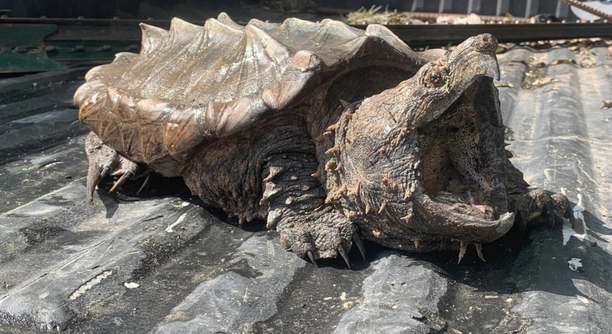
Floating plants play a significant role in creating a balanced, natural environment for your alligator snapping turtle tank. Not only do they add beauty, but they also provide essential benefits for the turtle’s habitat.
The best floating plants for an alligator snapping turtle tank are those that provide cover, filtration, and improve water quality. These plants help to reduce algae growth and maintain a healthy ecosystem while offering a place for your turtle to rest.
Choosing the right floating plants is an easy and effective way to enhance your turtle’s environment and ensure their well-being.
Why Floating Plants Are Essential for an Alligator Snapping Turtle Tank
Floating plants help create a healthier and more natural environment for alligator snapping turtles. They provide shade, shelter, and help improve water quality by absorbing excess nutrients and reducing algae growth. With their dense leaves and roots, these plants also offer the turtles a safe place to rest, hide, and explore. The plants’ ability to block sunlight prevents algae blooms and encourages a balanced ecosystem. As a result, your turtle will have a more comfortable and stress-free environment to thrive in. Additionally, floating plants act as a natural filter by removing toxins from the water, improving overall water quality.
Floating plants also contribute to the tank’s aesthetics. Their movement and vibrant colors create a more dynamic and visually appealing environment. The plants help simulate a more natural habitat, allowing your alligator snapping turtle to feel more at ease.
It is important to choose plants that are easy to care for, as some can grow too quickly or require special maintenance. With the right floating plants, your tank will remain clean, vibrant, and suitable for your turtle’s well-being.
7 Best Floating Plants for Your Turtle Tank
Floating plants can be divided into a few categories, depending on the types that work best in a turtle tank. For alligator snapping turtles, you want plants that are resilient, slow-growing, and non-toxic.
Duckweed, water lettuce, water hyacinth, and Amazon frogbit are excellent choices. These plants are easy to care for and thrive in low to medium light. Duckweed can quickly cover the surface of the water, helping reduce algae growth. Water lettuce and hyacinth provide additional shade and oxygenation. Amazon frogbit has broad, thick leaves that give your turtle plenty of resting space.
These plants also help maintain water quality by absorbing excess nutrients, which benefits both the turtle and the plants. While they don’t require much maintenance, you will still need to trim them periodically to prevent them from taking over the tank. This ensures that the plants won’t compete with your turtle for space and light.
Choosing the best floating plants depends on your tank’s needs, but these seven options provide a solid foundation.
Duckweed: A Tiny Powerhouse for Your Turtle Tank
Duckweed is an excellent floating plant for alligator snapping turtle tanks. It grows quickly, providing plenty of cover while helping maintain clean water. Its small size allows it to cover large areas, reducing sunlight and controlling algae growth.
While duckweed is low-maintenance, it can quickly multiply and may need frequent thinning. If left unchecked, it can cover the surface entirely, blocking out too much light for your turtle. However, its ability to absorb excess nutrients makes it an ideal plant for water filtration. Regularly removing the excess will help keep your tank’s ecosystem balanced. Duckweed also adds a natural touch to your tank, offering a peaceful, flowing look.
If you’re looking for a plant that keeps your water clean and provides shelter, duckweed is a solid choice. It requires little care but adds a lot of value to your turtle’s habitat.
Water Lettuce: Floating Beauty with Practical Benefits
Water lettuce is another great addition to an alligator snapping turtle tank. It has large, attractive leaves that float on the water’s surface and provide excellent shade. This shade helps reduce algae buildup, keeping the water cleaner for longer.
The plant thrives in bright, indirect light and is very easy to care for. It grows slowly, making it a perfect choice for those who prefer low-maintenance plants. The roots hang down into the water, offering hiding spots and resting places for your turtle. Water lettuce also helps with water filtration, absorbing excess nutrients.
However, be mindful of the plant’s tendency to spread quickly. It is important to keep the tank’s surface clear to allow your turtle space to move around. Trimming the water lettuce regularly ensures it doesn’t overcrowd the tank. This way, the plant will continue to provide the benefits of shade and filtration without overwhelming the space.
Water Hyacinth: A Beautiful Floating Plant
Water hyacinth is an attractive, easy-to-care-for floating plant. Its large, vibrant purple flowers add color to your turtle’s tank. The leaves float gracefully on the surface, while the long roots help filter the water and offer hiding spots for your turtle.
While water hyacinth is a great addition, it can grow quickly and may need to be trimmed regularly. If left unchecked, it can cover the surface entirely, blocking light from reaching the rest of the tank. Regular pruning ensures that the plant continues to provide shade, filtration, and aesthetic appeal without overwhelming the space.
This plant does well in warm water, making it a good match for a turtle tank. With proper care, water hyacinth helps maintain water quality and gives your alligator snapping turtle a natural, healthy environment.
Amazon Frogbit: Perfect for Turtle Tanks
Amazon frogbit is another floating plant that suits turtle tanks perfectly. Its broad leaves float on the water’s surface, offering shelter and shade. The long roots reach down into the water, providing a safe hiding place for your turtle while improving water quality.
It’s a low-maintenance plant, thriving in medium to bright indirect light. Unlike some floating plants, Amazon frogbit grows slowly, meaning it won’t quickly overwhelm your tank. However, regular trimming may still be necessary to prevent overcrowding. The plant works well in tanks of various sizes, making it versatile for different setups.
When choosing plants for your alligator snapping turtle, Amazon frogbit is an ideal option due to its simplicity and effectiveness in both aesthetics and water filtration.
FAQ
How do floating plants benefit an alligator snapping turtle tank?
Floating plants offer several benefits for your alligator snapping turtle tank. They help maintain water quality by absorbing excess nutrients and filtering the water. This process reduces algae growth and keeps the tank clean. Floating plants also provide shade, which is essential for controlling water temperature and reducing stress for your turtle. Additionally, they create hiding spots and resting areas, offering your turtle a more natural environment. Overall, these plants contribute to a healthier and more comfortable habitat for your snapping turtle.
Do floating plants require a lot of care?
Floating plants are generally low-maintenance, but they still require some attention. Plants like duckweed, water lettuce, and Amazon frogbit grow quickly and may need to be trimmed periodically to prevent them from overcrowding the tank. Regular pruning is essential to maintain balance in the tank and allow your turtle the space it needs. Be sure to remove any decaying or dead leaves to prevent water quality from deteriorating. While these plants don’t require special care, it’s important to keep an eye on them to ensure they’re thriving and not overwhelming the tank.
Can floating plants survive in a turtle tank?
Yes, floating plants can thrive in a turtle tank. Many of the plants recommended for alligator snapping turtles, like water lettuce and Amazon frogbit, grow well in such environments. These plants are adaptable and can handle the water conditions typically found in turtle tanks, such as moderate to strong water flow and varying temperatures. However, turtles may nibble on the plants from time to time, so it’s essential to choose plants that can tolerate some consumption. With proper care, floating plants can grow and survive in a turtle tank.
What should I do if the plants are growing too fast?
If your floating plants are growing too quickly, regular trimming is key. Plants like duckweed and water lettuce can spread rapidly, covering the surface of the tank. This can block light from reaching other plants and reduce the space your turtle has to swim. To manage plant growth, remove excess plants and cut back any overgrown leaves or roots. It’s a good idea to remove any decaying plant matter as well to ensure it doesn’t negatively affect the water quality. Consistent maintenance will help keep the plants under control while still providing their benefits.
Do floating plants provide enough oxygen for my turtle?
Floating plants can contribute to oxygen levels in the tank, but they should not be relied on as the sole source. As plants photosynthesize, they release oxygen, which is beneficial for both the plants and your turtle. However, depending on the size of your tank and the number of plants, it might be necessary to supplement with a proper filtration system or air pump to ensure oxygen levels remain high. Having a good balance of plants and proper filtration ensures your alligator snapping turtle’s health and well-being.
Are all floating plants safe for my alligator snapping turtle?
Not all floating plants are safe for your alligator snapping turtle. It’s important to choose plants that are non-toxic and can withstand some nibbling. Plants like duckweed, water lettuce, water hyacinth, and Amazon frogbit are generally safe and suitable for turtle tanks. Avoid plants that are toxic or harmful to turtles, such as certain types of lilies or those with sharp leaves that may cause injury. Always double-check the safety of any new plant before introducing it to your turtle’s habitat.
Can floating plants help reduce algae growth in my turtle tank?
Yes, floating plants can help reduce algae growth in your turtle tank. By absorbing excess nutrients like nitrates and phosphates, these plants limit the resources available for algae to grow. Additionally, the shade they provide helps block light from reaching algae, slowing down its growth. Floating plants, such as water lettuce and Amazon frogbit, create a balanced ecosystem that encourages healthy water conditions and reduces algae blooms. However, it’s still important to perform regular tank maintenance to keep algae levels in check.
How often should I clean the floating plants?
Floating plants should be cleaned regularly to ensure they are free from debris and algae. Gently rinse the plants with dechlorinated water or aquarium water to remove any build-up of waste or dirt. You may also need to trim dead or decaying leaves to prevent them from polluting the tank. For plants with long roots, such as water hyacinth, check for any rotting roots and remove them to avoid affecting the water quality. Regular cleaning and pruning ensure the plants continue to thrive and provide the benefits your turtle needs.
What are the best floating plants for beginners?
For beginners, duckweed, Amazon frogbit, and water lettuce are great options. These plants are easy to care for and provide essential benefits to your turtle tank, including shade, filtration, and shelter. Duckweed is fast-growing and requires little maintenance, while Amazon frogbit and water lettuce grow slowly and are perfect for keeping the water clean. These plants also tolerate the conditions found in turtle tanks, making them ideal for those new to aquatic plant care. They’re perfect for creating a balanced and thriving environment with minimal effort.
Can my turtle eat the floating plants?
Yes, your alligator snapping turtle may nibble on the floating plants. While they primarily eat animal matter, such as fish and insects, they can also enjoy some plants as part of their diet. Plants like water lettuce, duckweed, and Amazon frogbit are safe for turtles to consume in moderation. However, if your turtle starts eating too many plants, it could impact the plant’s growth and the overall balance in the tank. Ensure that there’s plenty of food available for your turtle so that it doesn’t rely too heavily on plants for nutrition.
Final Thoughts
Choosing the right floating plants for an alligator snapping turtle tank is essential for creating a healthy and comfortable environment. These plants not only add beauty to the tank but also serve functional purposes such as water filtration, shading, and offering hiding spots for the turtle. When selecting plants, consider factors like growth rate, water conditions, and how much space your turtle has to move around. It’s important to balance plant growth with the needs of your turtle, ensuring that the tank doesn’t become overcrowded and that your turtle has enough space to swim freely.
Floating plants like Amazon frogbit, water lettuce, and water hyacinth are excellent choices for an alligator snapping turtle tank. They grow well in warm water and help maintain water quality by absorbing excess nutrients. These plants also provide shade, which can reduce stress for your turtle, especially if it’s sensitive to light. Additionally, they create natural hiding spots, allowing your turtle to feel secure in its habitat. While floating plants are low-maintenance, they do require some care to ensure they don’t take over the tank or impact water conditions negatively.
Overall, adding floating plants to your turtle’s tank offers numerous benefits, from improving water quality to providing a more natural and visually appealing environment. As long as you keep an eye on the plant growth and make sure it doesn’t overcrowd the tank, you can enjoy the benefits of a healthy, balanced ecosystem. Remember that every tank is unique, and what works for one setup may not work for another. Experiment with different plants and find what works best for both your alligator snapping turtle and its habitat.

Hello,
If you enjoy the content that we create, please consider saying a "Thank You!" by leaving a tip.
Every little bit helps us continue crafting quality advice that supports the health, happiness, and well-being of pets around the world, for pets of all shapes, sizes, and species.
We really appreciate the kindness and support that you show us!