
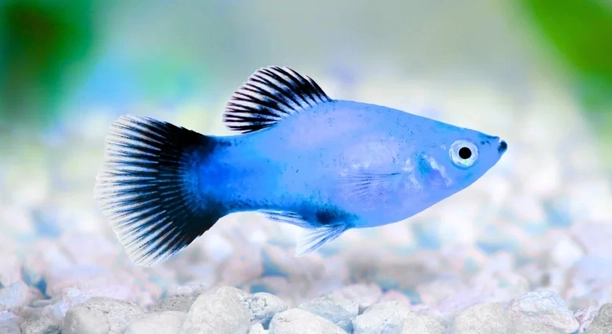
Are your small platy tanks feeling a bit cloudy or under-filtered despite your best efforts to keep the water clean and safe?
The best filters for small platy tanks combine efficient water circulation, mechanical and biological filtration, and compact designs. These options ensure clean water, stable parameters, and a healthy environment for your fish, even in limited tank space.
Each filter listed offers a balance of performance, ease of use, and value, making them ideal choices for small-scale aquatic setups.
Best Filters for Small Platy Tanks
Choosing the right filter for a small platy tank matters more than most realize. Platys are hardy fish, but clean, stable water is key to keeping them healthy. Small tanks need compact filters that don’t create too much current. Platy fish prefer gentle water movement and well-oxygenated conditions. Many basic filters can struggle to handle small volumes effectively, leading to cloudy water and unwanted buildup. Internal filters, sponge filters, and small hang-on-back models tend to work best. These options are easier to maintain, don’t take up much space, and still provide strong biological filtration, which is essential for breaking down waste. Look for filters with adjustable flow rates and quiet motors. Also, consider ease of cleaning and replacement parts. A good filter not only keeps the tank looking nice but also reduces stress for your platys, helping them stay active and vibrant. Clean water leads to healthy fish and fewer problems.
Sponge filters are great for small tanks. They’re affordable, easy to use, and provide gentle filtration without disturbing fish or plants.
Another reliable option is a small hang-on-back filter. These are ideal for hobbyists who want low maintenance but efficient mechanical and biological filtration in a compact unit. Some even include adjustable flow settings.
Top Picks and What Makes Them Work
Internal filters with adjustable flow rates are also good for small tanks. They stay submerged, save space, and provide good circulation.
One excellent choice is the AquaClear 20 Hang-On-Back Filter. It’s known for its flexible three-stage filtration system and adjustable flow rate. This makes it ideal for smaller aquariums with sensitive fish like platys. You can customize the filter media for specific needs, and it runs quietly, which is perfect for rooms where noise might be an issue. Another solid option is the Tetra Whisper Internal Filter. It’s designed for tanks up to 10 gallons and mounts easily inside the tank, offering decent biological and mechanical filtration. For those who prefer air-powered options, sponge filters like the AquaNeat Bio Sponge Filter provide both aeration and filtration. These are especially helpful for breeding or fry tanks. All of these models are reliable, easy to clean, and gentle on small fish. They help maintain water quality, reduce stress, and improve overall tank stability, making them top picks for any platy setup.
Maintenance and Cleaning Tips
Keeping your filter clean is just as important as choosing the right one. Dirty filters can’t do their job and may even harm water quality. Rinse media in tank water, not tap, to preserve helpful bacteria.
Cleaning should be done regularly, usually every two to four weeks depending on the filter type and tank load. Avoid over-cleaning or replacing all filter media at once, as that removes the beneficial bacteria your tank needs. Instead, rinse sponge or cartridge filters in a bowl of tank water to remove debris while keeping bacterial colonies alive. Check impellers and tubing for clogs or buildup. For hang-on-back filters, clean the intake tube and change or rinse the media. Make sure to unplug everything before you begin. Keeping up with small maintenance tasks can prevent larger water issues down the line and help keep your platy tank balanced and healthy with less effort overall.
Use a soft brush to clean tight areas or filter parts that gather grime over time. Avoid soap or harsh cleaners, which can be harmful to your fish. Always double-check that all parts are reassembled properly before turning the filter back on. A clean, working filter supports better water flow and healthier fish.
Choosing Based on Tank Size
Not all filters work equally well for every small tank. For tanks under 10 gallons, size and water flow become even more important. You’ll want a quiet, compact filter that won’t create too much movement.
Filters should match both the tank size and how many fish you keep. Overpowered filters may stir up debris and stress your platys. Underpowered ones won’t clean the water enough. For 5-gallon tanks, sponge filters or small internal models are usually best, as they offer gentle circulation. In 10-gallon tanks, hang-on-back filters with flow control features provide better filtration without overwhelming the space. Also, consider how many platys you have—more fish means more waste. It’s better to slightly oversize your filter rather than undersize it, as long as the flow can be adjusted. Compact filters that allow for media customization can help maintain good water quality without taking up too much space inside the tank.
Filter Features to Look For
Choose filters with adjustable flow rates, especially for small tanks. Platys prefer calm water, so having control helps avoid stress and keeps the environment comfortable. Adjustable flow also allows flexibility if you change tank size or add more fish.
Look for filters that are easy to clean and come with replaceable or reusable media. A quiet motor is also important, especially in bedrooms or shared spaces. Filters with layered media setups—mechanical, biological, and chemical—offer better water quality and reduce how often deep cleaning is needed.
How Filtration Affects Platy Health
Filtration has a direct impact on platy health. Good filters remove waste, uneaten food, and harmful chemicals like ammonia and nitrites. These toxins can quickly build up in small tanks and cause stress, illness, or even death. Filters that support biological media help beneficial bacteria grow, which helps balance the nitrogen cycle. Consistent, clean water reduces the risk of fin rot, ich, and other common problems. Platys also become more active, display better color, and tend to breed more readily when the water is stable. A proper filter doesn’t just clean the water—it supports the overall environment your platys rely on to thrive.
Common Mistakes to Avoid
Avoid overfeeding, as it clogs filters quickly. Don’t place the filter too low or too high—positioning matters for flow and oxygen levels.
FAQ
What type of filter is best for a 5-gallon platy tank?
A sponge filter is often the best choice for a 5-gallon platy tank. It provides gentle filtration, which is ideal for small tanks and delicate fish like platys. Sponge filters use air pumps to create water movement, offering both mechanical and biological filtration. They’re also quiet, easy to clean, and inexpensive. These filters won’t stir up debris or stress your fish, which is important in a limited space. For very lightly stocked tanks, even a nano internal filter with a slow flow setting can also work well if you prefer a more compact design.
Can I use a hang-on-back filter in a small tank?
Yes, you can use a hang-on-back (HOB) filter in a small tank, as long as it’s rated for your tank size. Look for one that has adjustable flow and isn’t too bulky. HOB filters are good at removing debris, supporting beneficial bacteria, and improving oxygen levels. Make sure to monitor the water flow, as too strong a current can stress platys. If needed, you can place a sponge or pre-filter over the intake or outflow to reduce the flow and make it gentler for your fish. These filters also tend to be easy to maintain and are often very reliable.
How often should I clean my platy tank filter?
Clean your platy tank filter every two to four weeks, depending on how heavily stocked the tank is and how much debris builds up. Don’t rinse the filter media in tap water, as this can kill the helpful bacteria living on it. Instead, use old tank water when doing a partial water change. Check the intake tube for clogs and rinse any foam or sponge inserts gently. If your filter starts making noise or water flow seems reduced, it’s a good time to check for blockages. Regular maintenance keeps the filter running efficiently and helps your fish stay healthy.
Do platys need a filter if I have live plants?
Even with live plants, platys still benefit from a filter. While plants help absorb waste and improve water quality, they can’t replace the full role of a filter. Filters remove solid debris, support the nitrogen cycle, and increase oxygen exchange. Live plants complement the filter but don’t take over its function. In very small, heavily planted tanks with a very light bio-load, some people run sponge filters on low settings just to maintain gentle movement. This helps with water clarity and circulation without disturbing the plants or fish. A balanced setup includes both plants and a reliable filter.
Is it okay to turn the filter off at night?
No, filters should not be turned off at night. Filters provide continuous water movement and oxygen exchange, both of which are vital for fish health. Turning it off stops the flow, reducing oxygen levels and disrupting beneficial bacteria colonies that help break down waste. This can lead to sudden ammonia or nitrite spikes, which are dangerous for platys. If your filter is too noisy, consider replacing it with a quieter model or placing a sponge under it to absorb vibrations. Running your filter 24/7 ensures stable conditions and keeps the tank safe for your fish at all times.
Can a filter be too strong for platys?
Yes, a filter that’s too strong can create too much current, making it difficult for platys to swim comfortably. Strong flow can also disturb substrate, plants, and uneaten food, which affects water clarity. Look for filters with adjustable flow or those rated specifically for small tanks. If the current is too strong, you can reduce it by placing a sponge over the outflow, using a baffle, or choosing a different model. Platys thrive in gentle water movement, so managing flow is essential for their comfort. Observing your fish will help—if they struggle to swim, the flow may be too high.
What should I do if the filter stops working?
First, unplug it and check for visible clogs in the intake or impeller area. Sometimes debris or buildup causes the filter to stop running. Clean all parts with tank water to avoid killing bacteria. If the motor is humming but nothing’s moving, the impeller might be jammed or misaligned. Reassembling the parts properly can fix the issue. If nothing works, you may need a replacement. In the meantime, do extra partial water changes to maintain water quality. Also, keep an air stone running to ensure oxygen circulation. Acting quickly helps protect your platys from sudden drops in water quality.
Final Thoughts
Choosing the right filter for a small platy tank is one of the most important parts of setting up a healthy environment. Filters help remove waste, keep the water clear, and support the growth of good bacteria. Without proper filtration, harmful substances like ammonia and nitrites can build up quickly, especially in small tanks. This can lead to stress, illness, or even death for your platys. A good filter makes tank care easier and helps your fish live in a cleaner, more stable environment. Whether you prefer sponge filters, internal filters, or quiet hang-on-back models, the goal is always the same—steady, reliable water movement and cleaner conditions for your fish.
Many small tank filters today come with features that make care simpler. Adjustable flow, quiet motors, and media options help you find a filter that works best for your space and setup. It’s also important to match the filter to the size of your tank and number of fish. Strong water movement can be harmful in small tanks, while weak filters may not clean the water well enough. Maintenance also matters. Cleaning your filter regularly—without removing all the beneficial bacteria—keeps it running well and protects your fish from water quality issues. Paying attention to both filter choice and care helps build a stable tank environment.
A well-chosen and well-maintained filter supports healthy, active platys that display bright colors and natural behavior. It also gives you peace of mind, knowing the water is being cleaned constantly. There’s no one perfect filter for every tank, but by understanding what your platys need and keeping their environment consistent, you can make better choices. A reliable filter becomes part of your weekly routine and helps keep the tank balanced with less effort. In the end, filters are more than equipment—they’re an essential part of caring for your fish and giving them a safe place to thrive. Keep things simple, stay consistent with maintenance, and choose a filter that fits both your tank size and the needs of your fish.

Hello,
If you enjoy the content that we create, please consider saying a "Thank You!" by leaving a tip.
Every little bit helps us continue crafting quality advice that supports the health, happiness, and well-being of pets around the world, for pets of all shapes, sizes, and species.
We really appreciate the kindness and support that you show us!