
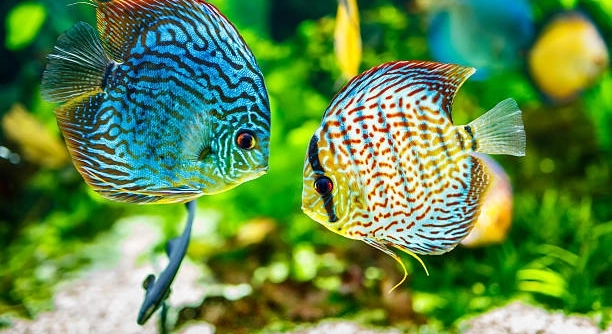
Do your discus tanks always seem a bit cloudy no matter how often you clean them? A clear tank is important for both beauty and fish health. Using the right filter can make a big difference.
The best filters for crystal clear discus tanks include canister, sponge, and hang-on-back filters with high-quality biological and mechanical filtration. These systems help remove debris, control ammonia, and maintain optimal water clarity for delicate discus fish.
Each filter option brings unique benefits and supports different tank setups. Understanding how they work will help you choose the best fit for your fish and your routine.
Canister Filters for Deep Cleaning
Canister filters are one of the best options for discus tanks. They sit outside the aquarium and use strong water flow to push water through layers of media. This setup allows for excellent mechanical, biological, and chemical filtration. You can easily customize the filter media inside, which makes it easier to meet the needs of your tank. Canister filters are also great for larger tanks because they have a high flow rate and can handle more waste. This is helpful for discus, which need clean, stable water. One downside is that they can be bulky and take time to clean. However, many fish keepers prefer them for their power and performance. With regular maintenance, they keep the tank water clear and healthy without much daily effort. For those who want a reliable system that handles a lot of waste, canister filters are often a top pick for discus setups.
Canister filters also help reduce the frequency of water changes by supporting strong biological filtration.
If you’re running a heavily stocked discus tank or have a larger setup, a canister filter can really help manage waste and keep your water parameters stable. Many options come with adjustable flow settings, which is helpful for discus since they prefer calm water. While they do cost more than other types, they offer value through strong, consistent performance and customizable media. Make sure to clean the filter media regularly and check for clogs to maintain efficiency. With proper use, your discus will thrive in clearer, more stable water conditions. Some of the popular brands include Fluval, Eheim, and Penn-Plax. These brands are known for dependable build quality and strong flow rates. You’ll notice cleaner water and fewer particles floating around.
Sponge Filters for Gentle Flow
Sponge filters are perfect for smaller discus tanks or breeding setups. They provide gentle filtration that doesn’t disturb fish.
Sponge filters use an air pump to pull water through a porous sponge, trapping debris and allowing good bacteria to grow. This helps break down fish waste naturally. They are a great choice for tanks with baby discus or shy adults, since the flow is soft and non-disruptive. These filters are very affordable and easy to maintain. Just rinse the sponge in tank water every few weeks. While they don’t offer the strongest filtration, they’re very helpful as a backup or when paired with another filter. They’re also quiet and use little electricity. Many people like them for quarantine tanks or low-maintenance tanks. Though simple in design, they work well when used correctly. They help maintain clear water without stressing the fish, which is important for sensitive discus.
Hang-On-Back Filters for Easy Maintenance
Hang-on-back filters are good for smaller discus tanks and are easy to set up. They hang on the rim of the aquarium and use cartridges to filter the water. Most models combine mechanical, chemical, and biological filtration in one compact system.
These filters are ideal if you want something that’s simple and easy to access. They don’t take up space inside the tank, and you can replace or clean the filter media quickly. While not as powerful as canister filters, they still keep water clear in moderately stocked tanks. Look for models with adjustable flow, since discus don’t enjoy strong currents. Some also come with extra compartments for adding custom media. Just remember to clean the intake tube and replace cartridges regularly. These filters work well if you want to keep things low-effort while still maintaining good water quality. They’re a practical choice for both beginners and experienced fish keepers.
For best results, pair hang-on-back filters with regular water changes. Discus produce a lot of waste, and these filters help reduce the buildup of toxins between cleanings. Brands like AquaClear and Marineland are known for reliable performance. They’re also quiet and energy-efficient. Just make sure to choose a model rated for your tank size. If you have a 55-gallon tank, for example, pick a filter made for that volume or slightly above. Many come with removable parts, so you can rinse them without needing to replace everything. That saves money in the long run. These filters won’t match a canister in power, but they’re more than enough for lightly to moderately stocked discus tanks.
Internal Filters for Small Spaces
Internal filters work well in tanks where you don’t want external equipment. They stay inside the tank and are good for compact spaces. Some models include media trays and adjustable flow settings to better suit discus.
These filters are easy to install by attaching them to the tank wall using suction cups. They often come with sponges and activated carbon inserts to clean the water. While they don’t handle large bioloads, they do a decent job in small or medium tanks. If you’re running a discus grow-out tank or a quarantine setup, internal filters are practical. Just make sure to clean them regularly to avoid clogging. They’re quiet and don’t require much maintenance beyond a rinse. Many fish keepers use them as a backup filter in larger tanks. If you need an extra layer of filtration or something low-cost and reliable, these are a solid option for clear water.
Undergravel Filters for Basic Filtration
Undergravel filters sit beneath the substrate and use uplift tubes to pull water through the gravel. This helps support beneficial bacteria and provides simple biological filtration. They’re quiet, hidden, and work best in tanks with a light bioload.
While they’re not ideal for heavy waste, undergravel filters can work in small discus tanks with good maintenance. They need regular gravel vacuuming to prevent buildup, and they don’t offer much mechanical or chemical filtration on their own.
Fluidized Bed Filters for Biological Support
Fluidized bed filters are excellent for boosting biological filtration. They use sand or similar media suspended in a constant flow of water. This setup creates a large surface area for beneficial bacteria to grow. These filters are placed outside the tank and usually work alongside another filter. They’re very efficient and help stabilize ammonia and nitrite levels. For discus tanks with high waste output, fluidized bed filters help improve long-term water quality. They don’t clog easily and need little maintenance. If your main concern is biofiltration, they’re a strong addition to your system. Pair with mechanical filtration for best results.
Power Filters with UV
Power filters with UV help reduce algae and clear cloudy water. The built-in UV sterilizer targets free-floating bacteria and parasites. This helps keep discus tanks cleaner and can reduce the risk of disease.
What type of filter is best for discus tanks?
The best filter for discus tanks combines strong biological and mechanical filtration with gentle water flow. Canister filters often meet these needs because they offer customizable media, high capacity, and adjustable flow rates. Sponge filters are also popular for their gentle flow and biological support, especially in smaller or breeding tanks. Hang-on-back filters can work well for moderate setups but may need flow adjustment. Ultimately, a filter that maintains clean water without stressing the fish is best, since discus are sensitive to poor water quality and strong currents.
How often should I clean my discus tank filter?
Cleaning frequency depends on the filter type and tank bioload. Canister filters generally need media rinsed every 3-4 weeks to avoid clogging and maintain flow. Sponge filters should be rinsed in tank water every 2-3 weeks to preserve beneficial bacteria. Hang-on-back filters often require cartridge changes or rinsing every 2-4 weeks, depending on how dirty they get. Over-cleaning can reduce beneficial bacteria, so always use tank water to rinse filter media instead of tap water. Regular cleaning helps keep water clear and supports healthy fish.
Can I use more than one filter in a discus tank?
Yes, many discus keepers use multiple filters to improve water quality. Combining a powerful mechanical filter like a canister with a sponge filter can balance flow and filtration types. Multiple filters provide redundancy, so if one filter slows or fails, the other continues working. It also spreads out the filtration workload, which helps maintain stable water parameters. Just be sure to monitor water flow so it doesn’t become too strong for the discus, who prefer calm conditions. Using more than one filter often results in cleaner, healthier tanks.
Are biological filters necessary for discus tanks?
Biological filtration is essential for discus tanks. Beneficial bacteria convert toxic ammonia and nitrite, produced by fish waste, into less harmful nitrate. Without biological filtration, ammonia and nitrite can quickly reach dangerous levels. Filters that provide a large surface area for bacteria, like sponge filters or fluidized bed filters, support this process. Even mechanical or chemical filters usually include biological media. Proper biological filtration keeps water chemistry stable, helping discus thrive and reducing stress-related illnesses.
How do I choose the right filter size for my discus tank?
Filter size depends on the tank volume and fish load. A good rule of thumb is selecting a filter rated for at least the tank’s volume, preferably 1.5 to 2 times the water capacity per hour. For example, a 50-gallon tank should have a filter that processes 75 to 100 gallons per hour. This ensures enough water turnover to remove waste and keep water clear. Avoid filters with too strong a flow, as discus prefer gentle water movement. Adjustable flow filters or using spray bars can help control water current.
Can a filter alone keep discus tanks clean without water changes?
Filters help maintain water quality but cannot replace regular water changes. Even the best filters can only process so much waste before nitrates build up. Water changes remove excess nitrates, replenish minerals, and keep the environment stable. For discus tanks, weekly water changes of 25-50% are recommended. This frequency keeps the tank healthy and water crystal clear. Relying solely on filters risks poor water quality, which can harm your fish in the long run.
Is a UV sterilizer necessary for discus tanks?
UV sterilizers are not strictly necessary but can benefit discus tanks by controlling free-floating algae, bacteria, and parasites. They help reduce cloudy water and lower disease risk by killing harmful microorganisms. UV sterilizers work best when combined with good filtration and maintenance. They don’t replace water changes or proper tank care but add an extra layer of protection. If you experience frequent algae blooms or infections, a UV sterilizer might be worth adding to your filtration system.
What maintenance tips help keep discus filters working well?
To keep filters working well, rinse filter media gently in tank water during cleaning to preserve beneficial bacteria. Avoid over-cleaning or replacing all media at once. Check for blockages in intake tubes and impellers to maintain water flow. Replace worn parts as needed. Monitor water parameters regularly to catch issues early. Keep the filter’s flow rate suitable for discus by adjusting it or adding spray bars to reduce current. Consistent, gentle maintenance keeps filters efficient and water conditions stable for healthy discus.
Choosing the right filter for your discus tank is important for keeping the water clean and safe. Discus fish are sensitive and need stable water conditions to stay healthy. A good filter helps remove waste, controls harmful chemicals, and keeps the water clear. Different types of filters offer different benefits, so it’s important to find one that fits your tank size, fish load, and your maintenance routine. Whether you choose a canister filter for strong, customizable filtration or a sponge filter for gentle, biological support, the goal is to create a healthy environment for your discus.
Regular care and maintenance of your filter will also make a big difference. Filters need to be cleaned carefully to keep beneficial bacteria alive and to avoid clogging. This helps maintain water flow and keeps the tank clear. At the same time, filters alone are not enough to keep the tank clean. You should also do regular water changes to remove nitrates and refresh the water. Monitoring water quality and adjusting your filtration as needed helps ensure your discus thrive. Over time, you may find that combining two types of filters or adding extras like UV sterilizers can improve water quality even more.
Remember that every discus tank is different. What works well for one setup may not be perfect for another. Take time to observe your fish and water conditions and adjust your filtration accordingly. Investing in a good filter and keeping up with maintenance will reward you with clear water and healthy discus. When your tank is well-filtered and cared for, your discus will be more vibrant and active. Good filtration is one of the key steps toward enjoying a beautiful, crystal-clear discus aquarium.

Hello,
If you enjoy the content that we create, please consider saying a "Thank You!" by leaving a tip.
Every little bit helps us continue crafting quality advice that supports the health, happiness, and well-being of pets around the world, for pets of all shapes, sizes, and species.
We really appreciate the kindness and support that you show us!