
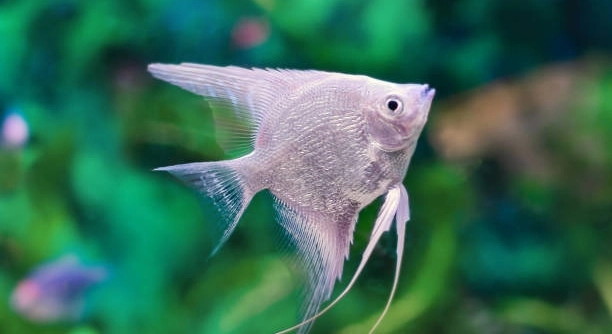
Angelfish are beautiful, delicate creatures that thrive in aquariums. Their diet plays a crucial role in ensuring they remain healthy and vibrant. With the right nutrition, you can enhance their colors and overall well-being.
A balanced diet for angelfish includes a variety of high-quality flakes, pellets, and live foods. Essential nutrients, like protein and vitamins, are key to their growth, immune system, and reproduction. A consistent feeding routine promotes longevity and vitality.
Understanding the best foods for your angelfish will help you provide them with a healthier, happier life.
The Importance of a Varied Diet for Angelfish
A well-rounded diet for angelfish is essential for their health and longevity. Providing a variety of foods ensures they receive the full spectrum of nutrients they need. These fish are omnivores, so their diet should include a mix of proteins, vegetables, and essential vitamins. A diverse diet also helps prevent nutritional deficiencies that can lead to illness. Whether it’s high-quality flake food, live foods, or frozen options, variety keeps them engaged and promotes their natural behaviors.
Incorporating different types of food encourages better digestion, enhances their natural colors, and supports overall well-being. Additionally, it provides them with the necessary energy to stay active in your aquarium.
Be mindful of the quantity and frequency of feeding to avoid overfeeding, which can lead to water quality issues. A balanced approach to feeding will help maintain healthy angelfish in your aquarium.
Best Foods for Angelfish
The ideal foods for angelfish should mimic their natural diet.
High-quality pellets or flakes designed for omnivores work well.
These foods provide essential nutrients for growth and energy.
Live Foods for Angelfish
Live foods are one of the best ways to enrich your angelfish’s diet. These foods stimulate natural hunting behavior and provide an excellent source of protein. Common live foods like brine shrimp, bloodworms, and daphnia also boost your fish’s immune system, helping them stay healthy.
These foods are rich in essential fatty acids and other nutrients that are often missing in dried or frozen alternatives. Live foods should be fed in moderation to prevent overfeeding and the risk of excess waste in your tank. It’s also important to ensure that the live food is clean and free from parasites.
For a balanced diet, live foods can be offered once or twice a week alongside other staple foods like flakes or pellets. This mix helps maintain a healthy and vibrant angelfish.
Frozen Foods for Angelfish
Frozen foods are a convenient alternative to live foods.
These options still retain much of their nutritional value.
You can choose from frozen brine shrimp, bloodworms, and daphnia, which angelfish enjoy. Frozen foods can be stored easily, offering a long shelf life.
Pellet Foods for Angelfish
Pellets are a staple in many angelfish diets. They are easy to feed, provide balanced nutrition, and come in different sizes for various stages of life. Choose high-quality pellets designed specifically for omnivores to meet their nutritional needs.
Pellets are also convenient and reduce waste in the tank. They break down slowly, allowing your angelfish to consume them without making a mess. This makes them ideal for busy aquarium owners who want to maintain a clean and healthy environment.
Flake Foods for Angelfish
Flake foods are a popular option for angelfish.
They offer a quick and easy feeding solution.
Flakes are rich in essential vitamins and minerals, providing a balanced diet for your fish. They can also be used in combination with other foods.
FAQ
What is the best food for angelfish?
The best food for angelfish includes high-quality pellets or flakes designed for omnivores, supplemented with live or frozen foods like brine shrimp, bloodworms, or daphnia. This mix ensures they get the proper nutrients, including protein, fat, and vitamins. High-quality pellets or flakes are ideal for everyday feeding, while live and frozen foods add variety and extra nutrition.
How often should I feed my angelfish?
Angelfish should be fed 2-3 times a day in small amounts that they can eat in a few minutes. Overfeeding can lead to health problems and water quality issues. It’s important to keep their feeding schedule consistent. This helps regulate their digestion and energy levels.
Can angelfish eat vegetables?
Yes, angelfish can eat vegetables, especially spinach, peas, and zucchini. Offering vegetables is important for providing fiber, which aids digestion and ensures a balanced diet. Vegetables should be blanched to make them softer and easier for the fish to consume. You can offer them a few times a week as a supplement to other foods.
Is it okay to feed angelfish only pellets?
While pellets are convenient and nutritious, feeding your angelfish only pellets may lack variety. A diet solely based on pellets can lead to nutritional imbalances over time. It’s important to offer a variety of foods, including live or frozen options, to support your fish’s long-term health and well-being.
How do I avoid overfeeding my angelfish?
To avoid overfeeding, give your angelfish only what they can eat in a few minutes. Monitor the tank for leftover food after feeding, as uneaten food can cause water pollution. It’s better to feed smaller amounts multiple times a day rather than a large amount at once.
Can angelfish eat freeze-dried foods?
Yes, angelfish can eat freeze-dried foods such as bloodworms or brine shrimp. However, freeze-dried foods should be used as a supplement, not a primary food source, because they can lack some of the moisture and nutrients found in live or frozen options. Always hydrate freeze-dried foods before feeding to ensure your angelfish can digest them properly.
Are there any foods I should avoid giving angelfish?
Yes, there are several foods to avoid. For example, avoid feeding angelfish high-fat or processed human foods, like bread, as these can cause digestive issues and harm their health. Avoid too many starchy vegetables, such as potatoes, as they can lead to bloating. It’s best to stick to foods that are specifically meant for fish.
Can angelfish eat shrimp?
Angelfish can eat shrimp, but it’s important to ensure the shrimp is appropriately sized. Small, shelled shrimp or shrimp pellets can be a great protein source. If feeding live shrimp, be cautious, as the shrimp may become too aggressive or pose a threat to the angelfish.
Do angelfish need to eat every day?
Yes, angelfish need to eat every day, but the amount should be controlled. Feeding them 2-3 times a day with small portions is sufficient. Skipping meals occasionally won’t harm them, but consistency is key for keeping them healthy. Regular feeding supports their growth and energy needs.
Can angelfish eat goldfish food?
Angelfish should not be fed goldfish food on a regular basis. Goldfish food is specifically designed for goldfish and may not meet the nutritional needs of angelfish. Angelfish require more protein in their diet, while goldfish foods are often higher in fiber and starch. Stick to foods meant for angelfish to ensure they get the proper nutrients.
What happens if I don’t feed my angelfish enough?
If angelfish don’t get enough food, they may become weak, stressed, and susceptible to disease. Underfeeding can also affect their growth and color. It’s important to monitor your fish and ensure they are getting the right amount of food to thrive. If they aren’t eating, it could be a sign of health problems.
Can angelfish eat live plants?
Angelfish may nibble on live plants in your aquarium, especially soft-leafed varieties like lettuce or water sprite. While it’s normal for angelfish to graze on plants, make sure they are getting enough protein and other nutrients from their primary diet. Excessive plant consumption could indicate an unbalanced diet.
How can I tell if my angelfish is healthy?
Healthy angelfish have bright colors, clear eyes, and active behavior. They swim smoothly and do not appear lethargic. Their fins should be open and not clamped. If your angelfish starts showing signs like fading color, lack of appetite, or unusual swimming, it may indicate health problems. Regularly monitor their diet, tank conditions, and behavior to ensure they are well.
Final Thoughts
Providing a well-balanced diet for your angelfish is crucial to their health and longevity. These fish are omnivores and require a variety of foods to thrive. A mix of high-quality pellets or flakes, along with live or frozen foods, ensures they get the right amount of protein, vitamins, and minerals. Offering different food types also prevents them from becoming bored and encourages natural hunting and foraging behaviors, which helps keep them active and healthy.
It’s important to feed your angelfish the right amount and not overfeed them. Overfeeding can lead to poor water quality and health issues. Feeding small portions 2-3 times a day is ideal for maintaining a balanced diet. Pay attention to any leftover food and remove it to prevent it from decaying in the tank. This routine helps to maintain good water conditions and keeps your fish happy and healthy.
Remember, variety is key when feeding angelfish. While pellets or flakes can serve as their main food source, adding live or frozen foods can improve their overall health. It’s important to be mindful of the types of food you offer and ensure it’s safe and suitable for them. A little effort in providing diverse, nutritious foods will help your angelfish live a long, healthy, and vibrant life.

Hello,
If you enjoy the content that we create, please consider saying a "Thank You!" by leaving a tip.
Every little bit helps us continue crafting quality advice that supports the health, happiness, and well-being of pets around the world, for pets of all shapes, sizes, and species.
We really appreciate the kindness and support that you show us!