
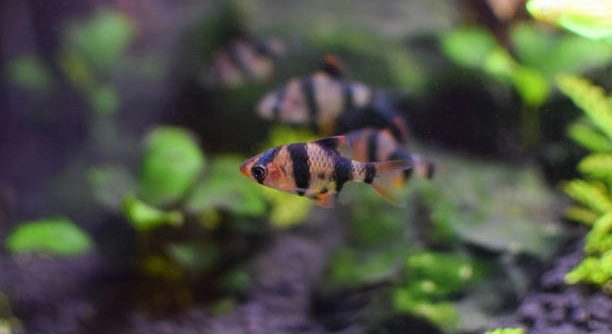
Keeping a tiger barb tank healthy and attractive takes more than just clean water and good food. Decorations play an important role in creating a comfortable environment for these active fish. Choosing the right items can enhance their natural behavior and tank appearance.
The best decorations for tiger barb tanks include live plants, smooth rocks, driftwood, hiding caves, floating plants, sand or fine gravel substrate, and robust artificial plants. These elements provide shelter, stimulate activity, and maintain water quality for the fish.
Understanding how to decorate your tank properly helps promote a balanced and lively environment for your tiger barbs to thrive in.
Live Plants for Natural Shelter
Live plants are one of the best choices for decorating a tiger barb tank. They offer natural hiding spots and help maintain water quality by absorbing nitrates. Plants like Java fern, Anubias, and Amazon sword are hardy and easy to care for. These plants do not require special lighting and can tolerate the moderate water flow tiger barbs create. The leaves provide a place for tiger barbs to explore and sometimes nibble, which keeps them engaged and less stressed. Also, plants improve the oxygen level in the tank, which benefits all aquatic life. Regular trimming helps prevent overcrowding, keeping the tank balanced and neat. Adding live plants gives the aquarium a lush, green appearance that is calming to look at and feels more natural for the fish.
Healthy plants support better water chemistry by reducing harmful compounds and giving fish space to hide. These factors promote the overall wellbeing of tiger barbs.
Plants make the tank environment dynamic. They create microhabitats and encourage natural behaviors, which leads to happier and healthier fish.
Smooth Rocks and Driftwood
Smooth rocks and driftwood add structure and interest to a tiger barb tank without sharp edges that could harm the fish. These decorations create resting spots and places to explore, which helps reduce boredom and stress. When arranging rocks or driftwood, it is important to leave open swimming areas since tiger barbs are active swimmers. Driftwood can also slightly lower the water pH, which matches the natural conditions tiger barbs prefer. Before adding these items, soak or boil them to remove impurities and tannins. Smooth rocks and driftwood also promote beneficial bacterial growth, which helps keep the water clean and safe. Using these decorations creates a balanced environment with both open spaces and hiding spots, supporting the fish’s physical and mental health. Proper placement is key to avoid overcrowding and ensure the tank looks natural and comfortable for your tiger barbs.
Hiding Caves and Decorations
Hiding caves offer tiger barbs a safe place to retreat, reducing stress and aggression. These shelters mimic natural hiding spots and help establish territory within the tank.
Caves come in many materials such as ceramic, resin, or natural stone. They provide shelter for shy or resting fish and help reduce conflicts. When selecting caves, choose smooth surfaces without sharp edges to prevent injury. Place them in quiet areas of the tank to encourage use and balance the open swimming spaces. Multiple hiding spots can minimize bullying by allowing fish to escape dominant tank mates. Position caves so they are easily accessible but do not overcrowd the tank. This helps maintain a peaceful environment, promoting healthier social behavior among tiger barbs.
Decorations with tunnels or openings work similarly by providing exploration opportunities and hiding places. Avoid overcrowding to maintain good water circulation and space for swimming.
Floating Plants
Floating plants like duckweed or frogbit provide shade and help control light levels, which tiger barbs prefer. They also offer surface cover that can reduce stress.
These plants absorb excess nutrients, helping prevent algae growth and maintaining better water quality. Floating plants can soften the lighting by diffusing sunlight or aquarium lights, creating a more natural environment. This lowers the chance of tiger barbs feeling exposed or stressed. In addition, floating roots provide extra hiding spots for fry or smaller fish. Regular thinning of floating plants prevents overcrowding and keeps the water surface accessible for oxygen exchange. Floating plants can also add a dynamic visual element, gently moving with water currents. Including them improves both the health of the aquarium and the comfort of the fish.
Sand or Fine Gravel Substrate
Sand or fine gravel is ideal for tiger barb tanks because it mimics their natural riverbed habitat. It’s gentle on their sensitive barbels and easy to clean.
A smooth substrate also prevents injuries while the fish forage along the bottom. It helps maintain stable water parameters by trapping waste without compacting too much.
Robust Artificial Plants
Robust artificial plants provide decoration without the maintenance live plants require. Choose durable materials that won’t tear easily from active tiger barbs.
These plants give hiding places and add color to the tank. They are especially useful if lighting or water conditions make live plants difficult to grow.
Proper Spacing and Balance
Avoid overcrowding the tank with decorations. Leave plenty of open space for tiger barbs to swim freely. Balanced spacing between hiding spots and swimming areas promotes natural behavior.
Overcrowding can cause stress and aggression. Well-planned decoration supports both the fish’s activity and comfort.
What kind of decorations do tiger barbs prefer?
Tiger barbs prefer decorations that offer hiding places, natural textures, and open swimming areas. Live plants, smooth rocks, driftwood, and caves create a comfortable environment by mimicking their natural habitat. Floating plants add shade and shelter at the surface. Decorations should be smooth to avoid injuries, and the tank layout must balance hiding spots with space for active swimming.
Can I use sharp or rough decorations in a tiger barb tank?
It is best to avoid sharp or rough decorations. Tiger barbs are active and curious swimmers, and they can easily hurt themselves on jagged edges. Injuries may lead to infections or stress. Always choose smooth rocks, polished driftwood, or aquarium-safe decorations made for fish tanks. If unsure, test the surface by running your fingers over it carefully.
How often should I clean the decorations in a tiger barb tank?
Cleaning decorations depends on the tank conditions, but generally, once every two to four weeks is enough. Over-cleaning can remove beneficial bacteria important for the tank’s ecosystem. Use a soft brush and avoid soaps or chemicals. If algae build-up becomes excessive, gently scrub the affected decorations to keep the environment healthy.
Do live plants help tiger barbs feel safer?
Yes, live plants help tiger barbs feel safer by providing natural hiding spots and shelter. Plants also reduce stress by breaking the line of sight between fish, which lowers aggression. They improve water quality by absorbing nitrates and releasing oxygen, contributing to a healthier tank overall.
Are artificial plants a good alternative to live plants?
Artificial plants can be a good alternative if lighting or water conditions make live plants difficult to maintain. Choose strong, flexible plants that won’t tear easily from tiger barbs’ activity. Artificial plants offer hiding places and decoration, but they don’t improve water quality or oxygen levels like live plants do.
How important is substrate choice for tiger barb tanks?
Substrate choice is very important. Sand or fine gravel is preferred because it is gentle on the fish’s barbels, which they use to explore and forage. Coarse or sharp gravel can cause injuries or discomfort. The substrate also affects water chemistry and cleanliness, so choose one that supports a stable environment.
Can decorations affect water quality?
Yes, decorations can affect water quality. Live plants improve it by absorbing harmful nutrients. Driftwood can lower pH slightly, which may benefit tiger barbs. Some decorations release harmful substances if not properly prepared or made from unsafe materials. Always rinse and soak new decorations before adding them to the tank.
How many hiding spots should I include in a tiger barb tank?
It is best to have multiple hiding spots to reduce aggression and stress. Tiger barbs are social but can be territorial, so caves, dense plants, or decorations with openings help fish escape dominant tank mates. Aim for several small hiding places spread evenly rather than one large shelter.
Is lighting important for tank decorations?
Yes, lighting affects both decorations and fish behavior. Strong light encourages algae growth on decorations, which needs regular cleaning. Some live plants require moderate lighting to thrive. Floating plants can help diffuse harsh light, creating a comfortable environment. Adjust lighting to balance plant needs and fish comfort.
What decorations should I avoid for tiger barb tanks?
Avoid decorations with sharp edges, toxic materials, or unstable structures that might fall and injure fish. Also, steer clear of overly dense decorations that block swimming space or prevent water flow. Decorations that trap debris can make tank maintenance harder and lower water quality.
Can tiger barbs rearrange decorations?
Tiger barbs are curious but generally do not move heavy decorations. They might disturb loose substrate or small artificial plants with strong currents. Secure decorations well to prevent accidental shifts that could harm fish or damage the tank.
How do decorations help reduce aggression in tiger barb tanks?
Decorations provide hiding spots and visual barriers, which lower stress and aggression by allowing fish to claim territories and avoid constant confrontation. When fish can escape or hide, dominant individuals are less likely to chase others, promoting a more peaceful community.
Are there decorations that help breeding tiger barbs?
Yes, dense plants and caves provide safe places for tiger barbs to lay eggs and protect fry. Floating plants can shield young fish from aggressive tank mates. These decorations create secure zones that support breeding behavior and increase survival chances for offspring.
Should I change decorations often?
Changing decorations frequently is not necessary and can stress fish. However, rearranging decorations occasionally may stimulate curiosity and reduce boredom. When changing, keep some familiar hiding spots to avoid stressing tiger barbs.
Do tiger barbs prefer more natural or colorful decorations?
Tiger barbs respond better to natural-looking decorations that simulate their wild habitat. Natural tones and textures help fish feel secure. Bright or unnatural colors may cause stress or look out of place in the tank, though some artificial plants with color can add visual interest for the owner.
How can I create a balanced tank layout with decorations?
Create a balanced layout by mixing open swimming space with plenty of hiding spots. Place taller plants or driftwood toward the back and sides, with caves or rocks spaced out. Leave central areas open so tiger barbs can swim freely without obstruction, promoting healthy behavior and reducing aggression.
Choosing the right decorations for a tiger barb tank is important to create a healthy and comfortable home for your fish. Decorations should balance beauty with functionality. Items like live plants, smooth rocks, driftwood, and hiding caves provide places for tiger barbs to explore and rest. These elements also help maintain water quality and reduce stress. It is best to avoid sharp or rough decorations that could hurt the fish. When setting up your tank, think about giving the fish plenty of swimming space while adding enough hiding spots to make them feel safe. This balance supports their natural behavior and helps keep the community peaceful.
Maintaining decorations properly is just as important as choosing them. Live plants need occasional trimming, and decorations like rocks or caves should be cleaned gently to avoid harmful buildup. Floating plants can help control light and provide shade, but they also require thinning to prevent overcrowding. A well-kept tank promotes good water quality, which is essential for the health of tiger barbs. Decorations that support beneficial bacteria growth help keep the water clean and balanced. Regular care of the tank environment ensures your fish remain active, stress-free, and vibrant in color.
Remember that the goal is to create a space where your tiger barbs can thrive naturally. Decorations should feel like part of their environment, not just items to look at. Each piece plays a role in their well-being, from providing shelter to stimulating their curiosity. By choosing safe, suitable decorations and maintaining them well, you contribute to a stable and lively aquarium. This approach not only benefits the fish but also makes the tank more enjoyable to watch and care for over time. Taking time to arrange and care for the decorations thoughtfully will lead to a healthier, happier tiger barb community.

Hello,
If you enjoy the content that we create, please consider saying a "Thank You!" by leaving a tip.
Every little bit helps us continue crafting quality advice that supports the health, happiness, and well-being of pets around the world, for pets of all shapes, sizes, and species.
We really appreciate the kindness and support that you show us!