
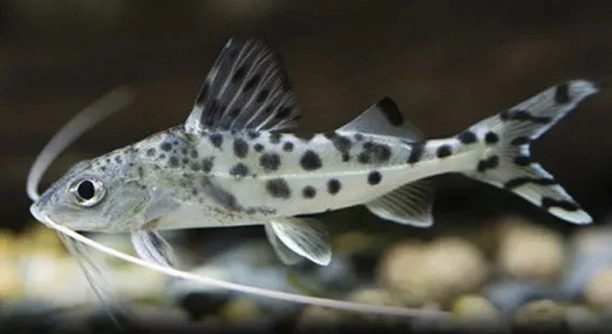
Breeding pictus catfish can be rewarding but requires careful attention to their environment. Knowing the best conditions helps ensure their health and increases the chances of successful breeding. These conditions cover water quality, temperature, and tank setup.
Optimal breeding conditions for pictus catfish include maintaining clean, well-oxygenated water with stable parameters. Temperature should be kept between 78°F and 82°F. A spacious tank with hiding spots and gentle water flow promotes natural spawning behavior. Regular feeding with varied diets supports reproductive health.
Understanding these conditions helps create a suitable habitat for pictus catfish to thrive. The following details will guide you in setting up the best environment for their breeding success.
Water Quality and Filtration
Maintaining excellent water quality is essential for breeding pictus catfish. These fish are sensitive to ammonia and nitrites, so it’s important to monitor these levels regularly. A high-quality filtration system that provides both mechanical and biological filtration will help keep the water clean and safe. Performing regular water changes of 20-30% weekly removes waste and toxins that can stress the fish. Additionally, maintaining stable pH levels between 6.5 and 7.5 ensures the fish stay comfortable and encourages breeding activity. Avoid sudden changes in water parameters, as pictus catfish respond poorly to fluctuations. Proper aeration is also important since these catfish prefer well-oxygenated water.
A filter that supports gentle water flow is best, as strong currents can discourage spawning. Keeping the tank clean and stable creates the right environment for breeding.
Pictus catfish thrive in clean, oxygen-rich water with stable pH. Weekly water changes, good filtration, and monitoring ammonia levels are key to creating a safe habitat that encourages breeding behavior.
Temperature Control and Lighting
Stable temperature is crucial for pictus catfish to breed successfully. The ideal range is between 78°F and 82°F. Temperatures below this range can reduce activity and delay spawning, while higher temperatures may cause stress. Using an accurate aquarium heater helps maintain this temperature consistently. Lighting should be moderate, avoiding intense bright light, which can stress the fish and reduce their willingness to spawn. A natural day-night cycle with around 10-12 hours of light encourages regular behavior patterns.
To support spawning, mimic seasonal changes by gradually adjusting temperature and lighting over a few days. This can trigger breeding instincts. Avoid sudden temperature swings, which can cause health problems and disrupt spawning. Providing a dim environment during the breeding period allows the catfish to feel secure and more likely to spawn. Using timers to automate lighting helps maintain consistency and reduces stress on the fish.
Tank Setup and Hiding Spots
Providing adequate space is important for pictus catfish breeding. A tank size of at least 30 gallons allows room for movement and reduces stress during spawning.
Pictus catfish need hiding spots to feel secure. Use smooth rocks, driftwood, and plants to create shelters. These spots reduce aggression and provide places for eggs to be laid. Soft substrate like sand is preferable to protect their delicate barbels. A well-decorated tank mimics their natural environment, encouraging natural behaviors. Avoid overcrowding to maintain peace among fish.
Plants can also serve as egg deposition sites. Broad-leaf plants or spawning mops work well for egg attachment. Creating varied hiding areas supports breeding and helps protect fry after hatching.
Diet and Feeding Practices
Feeding a varied diet boosts the health and reproductive readiness of pictus catfish. Include high-quality sinking pellets, live or frozen foods like bloodworms and brine shrimp, and occasional vegetable matter.
A balanced diet ensures the catfish receive necessary nutrients, supporting energy levels and overall vitality. Feeding small amounts multiple times a day is better than one large meal, preventing overfeeding and water contamination. During breeding periods, increasing protein intake helps stimulate spawning activity. Avoid feeding low-quality foods that can introduce toxins or cause poor health. Clean up uneaten food promptly to maintain water quality and prevent illness.
Supplementing with vitamins can further improve breeding success. Consistent feeding routines help maintain stable conditions and promote reproductive health in pictus catfish.
Spawning Triggers
Changes in water temperature and quality often trigger spawning in pictus catfish. Gradually raising the temperature by a few degrees can simulate seasonal shifts and encourage breeding behavior.
Adding fresh, clean water during a water change also acts as a natural signal for spawning.
Tank Mates
Choose peaceful tank mates that won’t stress pictus catfish. Avoid aggressive or overly active species that may disrupt spawning. Compatible species include small tetras, rasboras, or peaceful bottom dwellers.
Keep the tank environment calm and stable to support breeding success.
Monitoring Eggs and Fry
After spawning, closely watch the eggs for fungus or damage. Remove any unhealthy eggs promptly to prevent spreading.
Fry require gentle water flow and frequent feeding of tiny live or powdered foods to thrive in their early stages.
FAQ
What is the best water temperature for breeding pictus catfish?
The ideal water temperature for breeding pictus catfish is between 78°F and 82°F. Keeping the temperature stable within this range helps trigger spawning and supports the development of eggs and fry. Sudden fluctuations should be avoided, as they can stress the fish and delay breeding.
How often should water changes be done during breeding?
Water changes of about 20-30% should be done weekly to maintain clean, healthy water conditions. During the breeding period, adding fresh water slightly cooler than the tank temperature can stimulate spawning. Regular water changes reduce toxins and help create a suitable environment for eggs and fry.
What type of filtration works best for pictus catfish breeding tanks?
A gentle filter that provides both mechanical and biological filtration is best. Strong currents can stress catfish and prevent spawning. Sponge filters or canister filters with adjustable flow rates help maintain water clarity without disturbing the fish. Good filtration keeps ammonia and nitrites low, essential for breeding success.
Can pictus catfish breed in a community tank?
While pictus catfish can breed in a community tank, it’s often more challenging. Other fish may eat the eggs or fry, and the breeding pair may be stressed by tank mates. If breeding in a community setup, provide plenty of hiding spaces and monitor closely.
How long does it take for pictus catfish eggs to hatch?
Pictus catfish eggs typically hatch within 3 to 5 days after being laid. The fry remain attached to surfaces and absorb their yolk sacs before becoming free-swimming. Keeping water clean and stable during this time is crucial for their survival.
What do pictus catfish fry eat?
Newly hatched fry feed on infusoria or microscopic live foods. After a few days, they can be fed finely crushed flakes, baby brine shrimp, or powdered fry food. Feeding small amounts frequently ensures proper growth without polluting the water.
Is it necessary to remove the parents after spawning?
In many cases, removing the parents after spawning helps protect the eggs and fry. Pictus catfish may eat their own eggs or young if stressed or hungry. If removal isn’t possible, provide ample hiding places for the fry and observe parental behavior carefully.
How can I tell if my pictus catfish are ready to breed?
Mature pictus catfish ready to breed show increased activity and frequent cleaning of potential spawning sites. Females tend to be fuller in the belly, especially before spawning. Pairing fish of similar size and age improves the chances of successful breeding.
What tank size is recommended for breeding pictus catfish?
A minimum of 30 gallons is recommended to give breeding pairs enough space. Larger tanks reduce stress and aggression, while providing room for fry to grow. Overcrowding should be avoided as it can negatively affect breeding behavior.
How do I prevent fungus from growing on the eggs?
Using antifungal treatments like methylene blue or aquarium salt can help prevent fungus on eggs. Good water quality and proper aeration also reduce fungal growth. Removing any unfertilized or dead eggs promptly lowers the risk of fungus spreading to healthy eggs.
Final Thoughts
Breeding pictus catfish requires patience and attention to detail. Maintaining stable water conditions, including proper temperature, clean water, and gentle filtration, plays a crucial role in encouraging spawning. Providing enough space and hiding spots helps reduce stress for both the adults and the fry. Paying attention to these basic needs creates an environment where pictus catfish feel comfortable enough to breed naturally. It is important to monitor their behavior and tank conditions regularly to respond to any changes that may affect their health or breeding success.
Feeding the catfish a varied and nutritious diet supports their overall well-being and reproductive health. Offering high-quality sinking pellets, live or frozen foods, and some vegetable matter ensures they get the right balance of nutrients. Feeding smaller amounts multiple times a day rather than large meals prevents water quality issues and helps keep the fish active. During breeding periods, a protein-rich diet is especially important to support energy levels and egg production. Proper feeding combined with careful tank management will give your pictus catfish the best chance at successful spawning.
Finally, patience is key when breeding pictus catfish. These fish can be sensitive to their environment, so small changes may impact their readiness to breed. Sometimes it takes time for them to become comfortable and show natural spawning behaviors. Observing them quietly and maintaining a stable, healthy tank environment will improve your chances. With consistent care, you can enjoy the rewarding experience of watching pictus catfish reproduce and raise their fry successfully. Understanding their needs and respecting their natural rhythms is essential for breeding these beautiful catfish.

Hello,
If you enjoy the content that we create, please consider saying a "Thank You!" by leaving a tip.
Every little bit helps us continue crafting quality advice that supports the health, happiness, and well-being of pets around the world, for pets of all shapes, sizes, and species.
We really appreciate the kindness and support that you show us!