
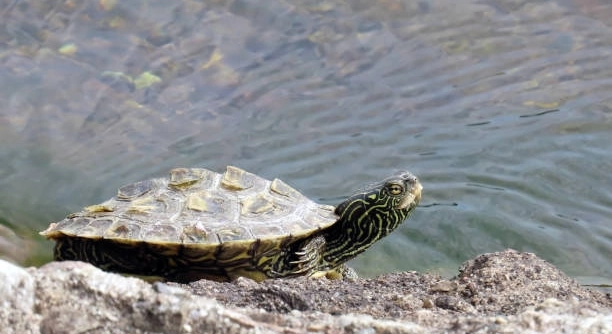
Map turtles are known for their unique diet, which requires proper nutrition for optimal health. Choosing the best commercial food can be tricky, but with the right options, your turtle will thrive. Let’s explore the best food choices.
The best commercial foods for map turtles provide essential nutrients such as protein, calcium, and vitamins. High-quality options often include pellets, freeze-dried foods, and canned options. These provide balanced nutrition, promoting healthy growth and shell development in map turtles.
By understanding the key ingredients in these foods, you can easily choose the right one for your turtle’s needs.
Best Pellets for Map Turtles
Pellets are one of the most popular choices for feeding map turtles. They are designed to provide balanced nutrition, making them convenient and reliable. These pellets typically include a mix of plant and animal proteins, essential vitamins, and minerals. When choosing pellets, look for ones that specifically cater to aquatic turtles to ensure they meet their dietary needs.
One popular option is the Rep-Cal Aquatic Turtle Food. Known for its high-quality ingredients, it contains a good mix of protein and calcium to support your turtle’s growth and shell health. Another great choice is Zoo Med’s Aquatic Turtle Food, which also offers well-balanced nutrition and promotes healthy digestion.
Offering a variety of pellet-based foods can keep your turtle’s diet interesting and prevent them from becoming too accustomed to a single flavor. Additionally, pellets are easy to store and serve, which makes them an excellent choice for many turtle owners. With a steady supply of high-quality pellets, your map turtle will remain healthy and active.
Freeze-Dried Foods for Map Turtles
Freeze-dried foods are an excellent supplement to your map turtle’s diet. These foods preserve most of the nutrients and offer a fun feeding experience.
Freeze-dried shrimp and mealworms are popular choices. They provide a good amount of protein, which is essential for your turtle’s health. These treats are easy to store and can be offered in moderation to add variety to your turtle’s meals.
Canned Foods for Map Turtles
Canned foods are convenient and provide a balanced mix of nutrients for map turtles. They often contain a good amount of protein and calcium, making them a solid choice. When selecting canned foods, look for options specifically formulated for aquatic turtles.
Turtle-specific canned foods, such as TetraFauna ReptoMin, offer a high-quality blend of ingredients. These foods are easy to serve and can be paired with other options like pellets or freeze-dried treats. The soft texture of canned food is also beneficial for turtles with weaker jaws or younger turtles who may have trouble with harder foods.
While canned foods are not meant to be the primary food source, they can add variety and extra nutrients. Offering canned foods once or twice a week as a supplement can enhance your turtle’s diet and help ensure they get a full range of nutrients for proper growth and health.
Fresh Vegetables for Map Turtles
Fresh vegetables are an essential part of a map turtle’s diet. They provide fiber, vitamins, and minerals that keep your turtle healthy. Vegetables such as leafy greens, squash, and carrots are great options.
Leafy greens like kale, collard greens, and dandelion greens are perfect for map turtles. They contain high amounts of calcium and other essential vitamins. Squash, such as zucchini or pumpkin, is another good option, offering both moisture and nutrients. Carrots, while not as rich in calcium, provide a crunchy texture that turtles enjoy. Rotate these vegetables to maintain variety and nutrition.
Fresh vegetables should be thoroughly washed to remove any pesticides or contaminants. Serving them in bite-sized pieces will make it easier for your turtle to eat and digest. Pairing vegetables with protein-rich foods will ensure a balanced diet and promote long-term health.
Live Foods for Map Turtles
Live foods are a natural choice for map turtles, providing stimulation and variety in their diet. Common options include feeder fish, crickets, and earthworms, which are rich in protein. Live foods help mimic the turtles’ natural hunting behavior.
Feeder fish, like guppies or minnows, offer a great source of protein and movement. Crickets and earthworms provide essential nutrients and are easily found at pet stores. Live foods should be offered in moderation, as they can be high in fat. Ensure the live food is safe and free of pesticides or parasites.
Commercial Insects for Map Turtles
Commercially available insects are a convenient and safe option for feeding map turtles. These insects are pre-packaged, ensuring they are free from harmful chemicals and parasites.
Crickets, mealworms, and waxworms are all excellent commercial insect choices. These insects are packed with protein, making them a great source of nutrition for your turtle. They are easy to store and serve, making feeding time simpler and less time-consuming.
FAQ
What is the best food for map turtles?
The best food for map turtles includes a combination of high-quality pellets, fresh vegetables, live foods, and supplements. Pellets like Rep-Cal Aquatic Turtle Food and Zoo Med Aquatic Turtle Food offer balanced nutrition. Fresh vegetables like kale, collard greens, and squash provide essential vitamins and fiber. Offering live foods such as feeder fish and insects adds variety and mimics natural feeding behavior. A mix of these options ensures a healthy, well-rounded diet for your turtle.
How often should I feed my map turtle?
Map turtles should be fed daily when they are young and growing. As they mature, feeding can be reduced to every other day. The amount you feed depends on your turtle’s size and activity level, but a good rule of thumb is to offer enough food for them to eat in 15-20 minutes. It’s important not to overfeed, as excess food can lead to health issues like obesity. Monitor their weight and adjust feeding schedules as needed.
Can map turtles eat fruit?
Yes, map turtles can eat fruit in moderation. While fruit is not a major part of their diet, it can be offered as a treat. Fruits like strawberries, blueberries, and mango are good options. However, fruits are high in sugar and should be given sparingly. Overfeeding fruit can cause digestive problems, so keep it to a small portion once or twice a week.
Are commercial turtle foods enough for my map turtle?
Commercial turtle foods, such as pellets, can provide a good foundation for your map turtle’s diet. However, they should not be the only food offered. A balanced diet should include fresh vegetables and occasional live foods. Commercial foods may lack certain vitamins and minerals, so supplementing with fresh and varied foods is important for overall health.
Can I feed my map turtle only pellets?
Feeding your map turtle only pellets is not recommended. While pellets provide balanced nutrition, they don’t offer the full range of nutrients your turtle needs for optimal health. Fresh vegetables, live foods, and occasional treats like fruits and insects should be included in their diet to ensure they receive everything necessary for growth, a strong shell, and proper digestion.
What types of live food are safe for map turtles?
Live foods that are safe for map turtles include feeder fish like minnows, guppies, and goldfish, as well as crickets, mealworms, and earthworms. These foods are rich in protein and help stimulate your turtle’s natural hunting instincts. Ensure the live food is free of pesticides and diseases before offering it to your turtle. Avoid feeding them insects from your yard, as they may contain harmful chemicals.
Can map turtles eat chicken or meat?
While map turtles are primarily carnivorous, feeding them chicken or other meats is not recommended. Most meats are too fatty and may upset their digestive system. Stick to high-protein options like feeder fish, insects, and other reptile-specific food that is lower in fat and better suited to their dietary needs.
How can I make sure my map turtle gets enough calcium?
Calcium is crucial for map turtles, especially for shell development. To ensure your turtle gets enough calcium, include calcium-rich foods like dark leafy greens (e.g., kale and collard greens) and provide calcium supplements. You can dust their food with a calcium powder or add a cuttlebone to their tank for them to nibble on. Always provide enough UVB light as well, as it helps with calcium absorption.
Can I feed my map turtle human food?
It is not advisable to feed your map turtle human food, especially processed or salty foods. These can cause health problems like kidney issues or obesity. Stick to foods specifically designed for reptiles or fresh foods like vegetables, fruits, and insects. If you offer human food, it should be plain, without added seasoning or oils.
How do I know if my map turtle is overweight?
If your map turtle is overweight, you may notice that it has difficulty moving or swimming. A bloated or round appearance in the shell is another sign. The best way to monitor your turtle’s weight is by comparing its size to standard growth charts and ensuring its diet is appropriate. Adjust their feeding routine if they are not getting enough exercise or eating too much.
Should I soak my map turtle’s food?
Soaking dry food like pellets before feeding can be helpful, especially if your map turtle is having trouble chewing or swallowing. It can also encourage them to drink more water. However, soaking isn’t necessary for all turtles, and some may prefer their food dry. It depends on your turtle’s preference and needs.
What foods are toxic to map turtles?
There are a few foods that are toxic to map turtles and should be avoided. These include avocado, rhubarb, and certain types of mushrooms. Always research any new food before offering it to your turtle. Stick to turtle-safe foods like leafy greens, commercial turtle food, and insects to ensure their safety.
Can map turtles eat aquatic plants?
Yes, map turtles can eat aquatic plants. In fact, some species of map turtles naturally graze on aquatic vegetation in the wild. Plants like water lettuce, water hyacinth, and duckweed are good options. Be sure to provide plants that are safe and free of pesticides, and rotate different types to keep your turtle’s diet varied.
Do map turtles need to be fed in water?
Yes, map turtles should be fed in the water. They are aquatic animals, and offering food in the water allows them to eat in a natural environment. This helps prevent choking and encourages them to eat properly. You can place their food in shallow water or on a floating platform where they can easily access it.
Final Thoughts
Feeding a map turtle involves providing a balanced diet that includes high-quality pellets, fresh vegetables, and live foods. Each type of food plays an important role in their health, from providing essential nutrients to mimicking their natural hunting behaviors. A mix of different foods helps meet their nutritional needs, keeping them healthy and active. Regularly offering variety in their diet not only improves their overall health but also helps prevent them from getting bored with their meals.
It’s important to remember that map turtles are omnivores, so their diet should consist of both plant-based and animal-based foods. Fresh leafy greens, such as kale and collard greens, are essential for vitamins and minerals, while protein from feeder fish and insects helps with growth and muscle development. Offering these foods in moderation, along with occasional treats like fruit, ensures they are getting everything they need. Regularly monitor your turtle’s eating habits to make sure they are eating enough and that their diet stays balanced.
In addition to food, environmental factors like UVB lighting and proper water conditions are also crucial to your turtle’s well-being. These factors help with digestion and calcium absorption, supporting their shell health and overall development. If you have any concerns about your map turtle’s diet or health, it’s always a good idea to consult a veterinarian. Proper nutrition, along with the right habitat, will help your map turtle live a long and healthy life.

Hello,
If you enjoy the content that we create, please consider saying a "Thank You!" by leaving a tip.
Every little bit helps us continue crafting quality advice that supports the health, happiness, and well-being of pets around the world, for pets of all shapes, sizes, and species.
We really appreciate the kindness and support that you show us!