
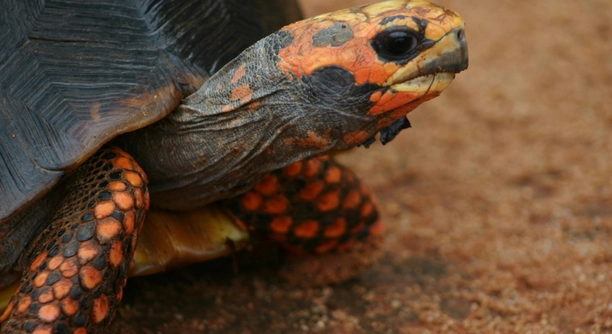
Keeping your red-footed tortoise’s enclosure clean is essential for their health and well-being. Regular maintenance not only prevents odors but also promotes a safe environment for your pet. Learn how to ensure a proper cleaning routine.
Properly cleaning your tortoise’s enclosure involves removing waste, washing surfaces, and sanitizing the area regularly. Ensuring a dry, clean habitat reduces the risk of infections and keeps your tortoise comfortable. A thorough cleaning schedule is vital.
Maintaining a clean enclosure will help improve your tortoise’s living conditions. These simple tips will ensure the environment stays healthy and safe for your pet.
Clean Regularly to Avoid Build-Up
Cleaning your red-footed tortoise’s enclosure is crucial for maintaining their health. Start by removing feces and uneaten food daily. These materials can lead to bacteria growth and bad odors. Regular cleaning prevents such build-up and helps keep your tortoise safe. At least once a week, clean surfaces thoroughly with reptile-safe cleaners, paying close attention to corners and hidden areas. Keep the water dish clean as well, changing the water daily. A clean environment not only makes your tortoise’s home smell better but also ensures they are not exposed to harmful bacteria.
Keeping the habitat dry is just as important. Moisture in the enclosure can lead to mold and other issues that affect your tortoise’s health. Make sure there are no standing water spots that could lead to bacteria growth.
Also, don’t forget to inspect the substrate. Over time, the bedding can get soiled and needs replacing. Fresh bedding will help prevent parasites and maintain an overall healthy environment. Regular checks will make a big difference.
Proper Disposal of Waste
Waste in the enclosure must be removed immediately. Waste that sits in the habitat too long can cause a build-up of bacteria, increasing the risk of infections for your tortoise. It’s essential to get rid of waste as soon as possible.
A proper waste disposal system ensures the enclosure stays clean and safe for your tortoise. Clean the area thoroughly every few days and change the substrate regularly. By managing waste properly, you can help keep your pet happy and healthy.
Remove Leftover Food Immediately
Leftover food in the enclosure can attract pests and quickly spoil, leading to unpleasant odors. It’s important to remove uneaten food daily. Tortoises may not finish all their food, especially if it’s too much. If food remains overnight, it can start decaying.
Always check for uneaten vegetables, fruits, or protein in the enclosure. Removing leftovers will help avoid attracting unwanted insects or bacteria. Any food that’s been in contact with water should be removed quickly to prevent mold growth. Your tortoise’s habitat will stay fresher and healthier if you stick to this routine.
If you offer water-soaked food, like leafy greens, be sure to clean the area right after your tortoise has eaten. It helps maintain cleanliness and prevents water stains or mold. This small task will keep the habitat fresh and free from pests. A clean environment ensures the tortoise is less likely to develop health problems.
Clean Water Dish Daily
The water dish should be cleaned every day to prevent bacteria build-up. It’s easy for the water to become dirty with droppings or food particles. Wipe down the bowl thoroughly and refill it with fresh water.
Changing the water regularly ensures your tortoise has clean water to drink and bathe in. Contaminated water can lead to infections or dehydration. It’s important to make this part of your daily cleaning routine. A small effort daily goes a long way in promoting your tortoise’s well-being.
Your tortoise may also use the water dish to soak. This increases the need for regular cleaning. Sometimes, even a quick rinse isn’t enough. Make sure to scrub the dish once a week for a more thorough cleaning. This prevents mold, slime, and unwanted bacteria from growing.
Clean the Substrate Regularly
The substrate should be cleaned regularly to prevent the buildup of waste and bacteria. Over time, it can get soiled and may even start smelling if not replaced. Changing the bedding every few weeks helps to maintain a clean environment for your tortoise.
You can remove small sections of the substrate between full changes to keep the enclosure fresh. If you notice any mold or wet spots, clean or replace the substrate immediately. A dry, clean substrate will help avoid skin infections and other health issues for your tortoise.
Disinfect the Enclosure Monthly
Disinfecting the entire enclosure is necessary once a month. This deeper cleaning ensures that all surfaces are free from bacteria and harmful microorganisms. Use a reptile-safe disinfectant and follow the manufacturer’s instructions for the best results.
While disinfecting, be sure to remove all objects like rocks, hides, and food dishes. Wipe down all surfaces, including the walls and floor. This helps maintain a healthy, safe environment for your tortoise to live in. Ensure that the enclosure is completely dry before putting everything back in.
Check for Pests
Regularly inspect the enclosure for pests like mites or insects. These pests can quickly spread and cause health problems for your tortoise. If you notice any, act fast and clean the area thoroughly.
A clean environment reduces the likelihood of pest infestations. Make sure to check under rocks, hides, and in any cracks for signs of pests. If necessary, consult a professional to help eliminate the issue safely.
FAQ
How often should I clean my red-footed tortoise’s enclosure?
You should clean the enclosure thoroughly at least once a week. However, daily cleaning is necessary for removing waste and uneaten food. A weekly deep cleaning should include changing the substrate, scrubbing surfaces, and disinfecting the entire area. Maintaining this routine helps ensure your tortoise’s habitat stays clean and hygienic.
Can I use regular cleaning products for the enclosure?
No, it’s important to use reptile-safe cleaning products. Regular household cleaners can contain chemicals that may harm your tortoise. Look for cleaners specifically designed for reptiles. These products are gentle on your pet but still effective at killing bacteria and removing waste. Always rinse the area well after cleaning.
What should I use as substrate for my tortoise?
A good substrate for a red-footed tortoise is a mix of organic soil, coconut coir, and dried leaves. This provides a natural feel and helps with humidity control. Avoid using pine or cedar shavings as they can be toxic. The substrate should be easy to clean and replace regularly.
How can I prevent my tortoise’s water dish from getting dirty so quickly?
To keep the water dish cleaner for longer, consider placing it in a shallow area of the enclosure where it’s less likely to be soiled. You can also use a dish with a lip or one that’s harder to knock over. However, it’s still crucial to clean it daily to prevent bacteria growth.
What temperature should I maintain in my tortoise’s enclosure?
Red-footed tortoises thrive in a temperature range of 75-85°F (24-29°C) during the day. At night, it can drop to around 70°F (21°C). It’s essential to provide a basking area with temperatures around 90°F (32°C) so your tortoise can regulate its body temperature.
Should I add humidity to my tortoise’s enclosure?
Yes, red-footed tortoises require moderate humidity levels of 60-80%. To maintain this, you can mist the enclosure daily or use a humidity regulator. The substrate should be slightly moist but not soggy. Humidity helps keep your tortoise’s skin healthy and supports proper shedding.
Can I leave my tortoise outside in the yard for cleaning?
It is safe to let your red-footed tortoise explore outside during cleaning, but ensure the area is secure and free from predators. Always supervise your tortoise while they are outside. Make sure the temperature is appropriate and they can return to their enclosure easily.
How do I prevent mold in my tortoise’s enclosure?
Mold can develop in damp areas of the enclosure. To prevent this, make sure the substrate is not too wet, especially in the corners. Use a substrate that allows for good drainage and ensure proper ventilation. Regular cleaning and replacing wet bedding will also help keep mold at bay.
How can I tell if my tortoise is sick from a dirty enclosure?
Signs that your tortoise may be suffering from an unclean environment include lethargy, lack of appetite, skin infections, or respiratory issues. If you notice these symptoms, it’s essential to check the enclosure for cleanliness and adjust the habitat as needed. Consult a veterinarian if symptoms persist.
Can I use a reptile heater to regulate the temperature?
Yes, a reptile heater can be used to maintain the proper temperature in the enclosure. Make sure to position it in a way that creates a warm basking area and a cooler zone. Avoid direct heat exposure and ensure that your tortoise can move between the different temperature zones.
How often should I replace the substrate in my tortoise’s enclosure?
It’s important to replace the substrate completely every 2-3 weeks. This ensures that the habitat remains clean and free from bacteria. You should also spot clean the substrate regularly by removing waste, leftover food, and wet areas to maintain a fresh environment.
What should I do if my tortoise is refusing to eat in a dirty enclosure?
If your tortoise stops eating, it could be due to stress from an unclean environment. Clean the enclosure, remove any waste, and replace the substrate. Make sure the temperature and humidity levels are optimal. If the problem persists, consult a vet to rule out other health issues.
Can I use sand as a substrate for my tortoise?
Sand can be used but should be mixed with other substrates like coconut coir to improve its ability to retain moisture. Sand alone can become too dry and cause respiratory issues or be ingested by the tortoise, which may lead to digestive problems. Use it sparingly and ensure it’s well-maintained.
Final Thoughts
Maintaining a clean environment for your red-footed tortoise is crucial for its health and well-being. Regular cleaning of the enclosure, including replacing the substrate and disinfecting surfaces, will help reduce the risk of bacterial infections and skin issues. Keeping the enclosure free from waste and mold will also promote a healthier habitat, allowing your tortoise to thrive in a clean and safe space.
In addition to cleanliness, providing the right temperature and humidity levels is important for your tortoise’s comfort. Keeping a basking area at the correct temperature allows your tortoise to regulate its body heat, which is essential for digestion and overall health. Ensuring that the enclosure has moderate humidity levels will help your tortoise maintain healthy skin and shed properly. A consistent environment makes a big difference in your pet’s well-being.
By sticking to a regular cleaning schedule and monitoring the temperature and humidity levels, you will create an environment that promotes the long-term health of your red-footed tortoise. Make sure to check for pests regularly and keep the water dish clean. Following these basic steps will not only make the enclosure a more pleasant place for your tortoise but will also reduce the chance of health problems down the road.

Hello,
If you enjoy the content that we create, please consider saying a "Thank You!" by leaving a tip.
Every little bit helps us continue crafting quality advice that supports the health, happiness, and well-being of pets around the world, for pets of all shapes, sizes, and species.
We really appreciate the kindness and support that you show us!