
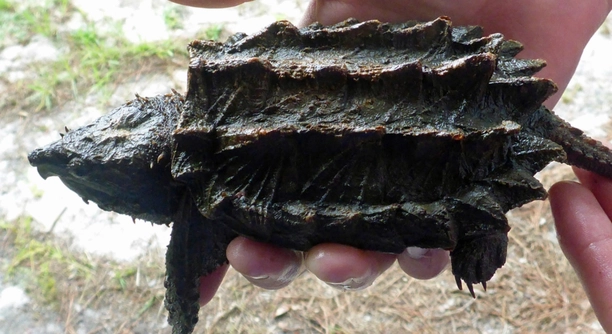
Keeping an alligator snapping turtle tank clean is important for the health of your pet. Regular maintenance is necessary to ensure the water stays fresh and free of harmful bacteria. Here’s how to keep things clean and safe.
The best cleaning routines for an alligator snapping turtle tank involve regular water changes, debris removal, filter cleaning, and tank disinfection. Consistent maintenance helps maintain water quality, prevent infections, and ensure the well-being of your turtle.
Maintaining a clean tank for your alligator snapping turtle will help you create a better environment for your pet and ensure its health over time. Proper cleaning routines are easy to implement once you know the right steps.
Water Changes: The Most Important Task
One of the most crucial aspects of tank maintenance is regularly changing the water. It’s recommended to do partial water changes once a week, replacing about 25-30% of the tank’s water. This helps prevent the buildup of harmful waste and toxins. Clean water supports a healthy environment for your alligator snapping turtle, keeping the tank free of harmful bacteria. The water quality directly impacts the turtle’s health, making it essential to make water changes a top priority.
Frequent water changes also improve the overall appearance of the tank. Clear water makes it easier to see any debris or waste.
In addition to regular water changes, using a water conditioner can help neutralize any chlorine or chemicals that may be present in tap water. These conditioners ensure the water is safe for your turtle. During water changes, be sure to scrub any algae or waste off decorations and the tank walls. This will help keep the tank cleaner for longer and prevent any harmful build-up.
Filter Maintenance: Keeping the Tank Clean
It’s vital to clean your filter every few weeks, depending on the size of the tank and the filter’s efficiency. Regular cleaning keeps the filter working properly and helps maintain the water quality.
To clean the filter, take it apart and rinse out the media with water from the tank to avoid killing beneficial bacteria.
Debris Removal: Keeping Your Tank Clean
Removing debris from the tank regularly is essential for maintaining good water quality. You should clean the substrate and remove uneaten food and waste. Using a fine mesh net or aquarium vacuum will make it easier to remove debris without disturbing the tank too much.
Debris can break down in the water, releasing toxins that harm your turtle. You should aim to remove any visible waste every few days, especially in tanks with a high turtle activity level. If not removed, leftover food and waste can affect the oxygen levels and water clarity.
Be sure to clean the tank’s décor and rocks as well. Scrubbing them with a soft brush will help remove any stuck waste. Removing debris as soon as possible also prevents foul odors from developing. It’s important to stay on top of this task to maintain a healthy living space for your snapping turtle.
Tank Disinfection: Keeping Harmful Bacteria at Bay
Disinfecting your tank every few months ensures that harmful bacteria are kept under control. After cleaning the tank, it’s a good idea to use a safe aquarium disinfectant to wipe down the surfaces. This process helps reduce the risk of any infections in your turtle.
Make sure to rinse everything thoroughly after disinfecting. Any remaining disinfectant can harm your turtle. It’s important to also clean any accessories, like basking platforms, in the same way. Keeping everything sanitized minimizes bacteria that may thrive in a moist environment, ensuring your turtle stays healthy.
Temperature Control: Ensuring a Comfortable Environment
Maintaining the correct water temperature is essential for your turtle’s well-being. A consistent temperature between 75°F and 85°F will ensure your alligator snapping turtle stays active and healthy. Use a reliable aquarium heater to maintain this range, especially if your home gets cold.
Check the water temperature daily with a thermometer to make sure it’s consistent. Sudden temperature fluctuations can stress your turtle, affecting its immune system. Make adjustments as necessary to avoid temperature extremes that can cause health problems.
Light and UVB: Essential for Health
Proper lighting is just as important as water quality. Alligator snapping turtles need UVB light to absorb calcium and maintain strong shells. Provide a UVB bulb that lasts for about 10 to 12 hours a day.
This light is crucial for their metabolism and helps prevent shell deformities. Without UVB light, your turtle may suffer from health issues such as metabolic bone disease. Make sure the UVB light is placed in a way that it reaches your turtle without overheating the tank.
Substrate: Choosing the Right Material
The substrate in the tank should be easy to clean and safe for your turtle. A smooth, sandy or fine-gravel substrate works well. Avoid sharp objects that can harm your turtle’s sensitive skin or cause injury.
If you prefer a natural look, smooth river rocks can also be a good choice. Make sure the substrate does not have any small pieces that can be ingested, as they can cause digestive issues.
FAQ
How often should I clean my alligator snapping turtle tank?
You should clean the tank thoroughly every 1-2 weeks, but regular maintenance like debris removal and water changes should be done weekly. This will help keep the tank’s environment healthy. A clean tank prevents harmful bacteria from building up and reduces the risk of infections for your turtle.
How much water should I change in the tank each time?
It’s best to change about 25-30% of the water each week. This helps maintain good water quality and prevents the build-up of toxins. If your turtle is particularly active or produces a lot of waste, you may need to increase the frequency of water changes to ensure the water remains clean and healthy.
What type of filter is best for my turtle tank?
A strong filtration system is essential for an alligator snapping turtle tank. Choose a filter that is rated for a tank size larger than yours. Canister filters are often a good choice because they provide powerful filtration and can handle larger volumes of water, helping to keep the tank clean and clear.
Can I use tap water for my turtle tank?
Yes, but it’s important to treat tap water with a dechlorinator before adding it to the tank. Chlorine and other chemicals in tap water can be harmful to your turtle. Dechlorinators neutralize these chemicals, making the water safer for your turtle to live in.
Do I need to provide a basking spot for my snapping turtle?
Yes, alligator snapping turtles require a basking area to help regulate their body temperature and dry out. A large rock, platform, or floating dock can serve as a basking spot. Ensure the basking area is positioned near a heat lamp to maintain a temperature of around 85°F to 90°F. This is essential for your turtle’s overall health.
How do I keep the water clean without disturbing my turtle?
The key is to use gentle tools like an aquarium vacuum and a soft brush to remove waste and debris. Avoid disturbing your turtle too much during cleaning, as this can stress them out. You can also invest in a powerful filter that keeps the water clean between your regular maintenance routines.
Can I use any kind of substrate in the tank?
No, you should avoid sharp or large gravel, as it can hurt your turtle if ingested. Opt for smooth, fine gravel or sand as substrate. These are easier to clean and safer for your turtle. Additionally, ensure that the substrate is not too deep, as this can cause problems with digestion if your turtle ingests it.
Should I remove my turtle from the tank while cleaning?
It’s generally a good idea to remove your turtle temporarily while cleaning, especially if you’re doing a deep clean or changing the water. This allows you to clean the tank without disturbing or stressing your turtle. Just make sure to place your turtle in a safe, temporary container with clean water while you clean.
How do I maintain the right water temperature for my turtle?
A good quality aquarium heater is the best way to maintain the correct water temperature, which should range between 75°F and 85°F. You can also use a thermometer to monitor the temperature regularly. If the water gets too warm or too cold, it can stress your turtle and lead to health problems.
Can my alligator snapping turtle share a tank with other turtles?
While alligator snapping turtles are generally solitary creatures, they can be kept with other species of turtles if the tank is large enough and there’s enough space for everyone. However, be cautious about size differences and aggression. Always monitor their interactions to make sure there are no signs of stress or fighting.
Final Thoughts
Maintaining a clean and healthy environment for your alligator snapping turtle is crucial to its well-being. By sticking to regular cleaning routines, such as water changes, debris removal, and filter maintenance, you can ensure that your turtle has the best possible living conditions. Keeping the water clean helps prevent bacteria buildup and promotes a healthy environment for your turtle to thrive in. Regularly checking the water temperature and providing proper lighting also supports your turtle’s health and encourages natural behaviors.
It’s also important to remember that a clean tank goes beyond just the water. Regularly cleaning the tank’s substrate, decorations, and basking areas ensures that your turtle’s habitat is free from waste. Even though it may seem like a lot of work, once you establish a routine, it becomes part of the natural upkeep. You’ll likely find that a little bit of time spent cleaning each week helps prevent bigger problems down the line, keeping your turtle safe and happy.
Overall, the effort you put into maintaining your turtle’s tank will directly impact its health and happiness. By keeping the water clean, the environment stable, and the tank properly maintained, your alligator snapping turtle will have the best chance for a long and healthy life. It’s important to stay consistent with your cleaning schedule and always monitor the tank’s conditions to ensure everything is working as it should. With proper care, your turtle will enjoy a safe and comfortable home for many years.

Hello,
If you enjoy the content that we create, please consider saying a "Thank You!" by leaving a tip.
Every little bit helps us continue crafting quality advice that supports the health, happiness, and well-being of pets around the world, for pets of all shapes, sizes, and species.
We really appreciate the kindness and support that you show us!